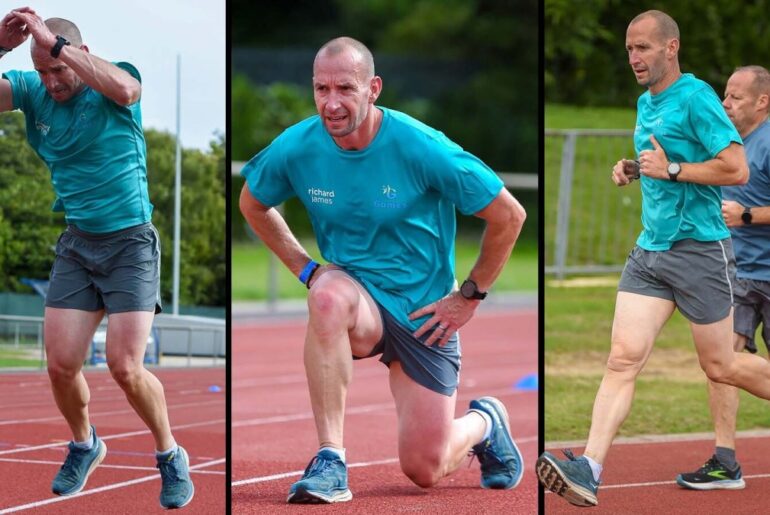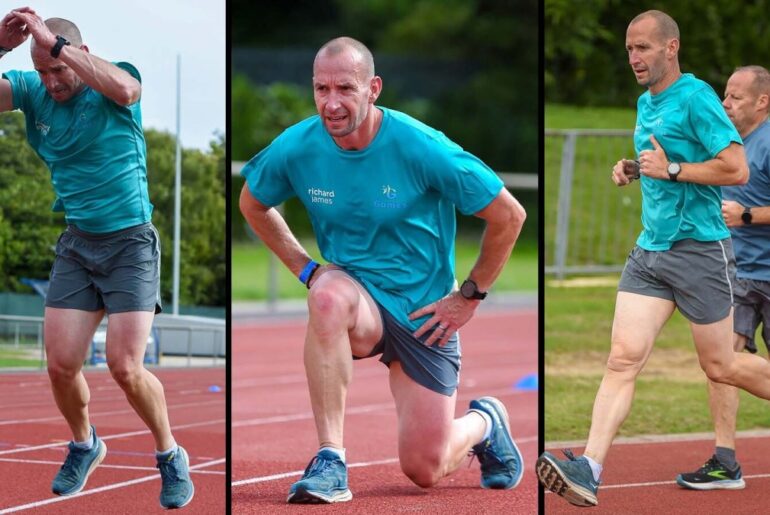

One of the most commonly followed formats is the 30-30 method, which involves running for 30 seconds and then walking for 30 seconds. This simple pattern has proven effective in helping runners maintain a faster overall pace while conserving energy. The technique is flexible and can be adapted according to fitness levels. Beginners may stick to shorter intervals like 30 seconds of running followed by 30 seconds of walking. Intermediate runners might try three minutes of running with a one-minute walk break, while advanced runners can extend their running time to nine minutes before taking a one-minute walk.

The name “Jeffing” has an interesting origin. It was first coined by members of the social media group Run Mummy Run, a community of mothers who were embracing running for its health benefits. After discovering Jeff Galloway’s run-walk-run strategy, they began referring to it as “Jeffing” in recognition of its creator. The term quickly gained traction online and is now widely used across global running communities.
Performing Jeffing correctly requires discipline and awareness. Runners are encouraged to start their intervals from the very first minute of their session rather than waiting until they feel out of breath. During the walking phase, it is important to walk briskly and with intention, keeping the heart rate slightly elevated instead of coming to a complete stop. During the running phase, maintaining a conversational pace is key — you should be able to speak without gasping for air. Good posture also matters: keep your back straight, shoulders relaxed, and arms bent at about 90 degrees. The “Huff and Puff” rule serves as a useful guide; if breathing becomes too heavy, shorten the running interval or extend the walking break until you regain comfort.
The benefits of Jeffing extend beyond simply making running easier. Planned walk breaks reduce repetitive stress on joints, tendons, and ligaments, lowering the risk of injury. They also prevent the full exhaustion of major muscle groups, which can minimise post-workout soreness and improve recovery time. Because energy is preserved early in the workout, many runners find they can sustain longer distances and even finish races faster by maintaining a consistent pace.
For those aiming to manage weight, Jeffing can be an effective addition to a cardio routine. The combination of running and brisk walking burns calories efficiently while remaining sustainable enough to practice regularly. Over time, this balanced approach can support weight loss goals without placing excessive strain on the body.
Jeffing ultimately reshapes the idea that running must be nonstop to be effective. By blending movement with recovery, it offers a smarter and more sustainable way to build endurance. Whether someone is new to fitness or training for longer races, this walk-run method provides a practical strategy to stay consistent, avoid injury, and gradually push personal limits.


WhatsApp Image 2025-12-20 at 9.56.17 AM
Post navigation