Addressing gaps in global chlorella supply, microalgae protein innovator Brevel has launched its Purallis brand of chlorella to the nutraceuticals sector — expanding beyond its flagship activities in the alternative dairy and meat categories. The ingredient is made using its “illuminated fermentation” closed indoor system.
Previously, manufacturers had to choose between pond-grown chlorella and that produced through traditional fermentation. The first uses natural light, but comes with a high risk of heavy metal contamination and seasonal inconsistency.
For traditional fermentation, the process is often high-yielding, but grown in the dark, which can result in a loss of key nutrients like chlorophyll and certain antioxidants.

Brevel is the first company to unite the two processes and “bring fermentation out of the dark.” The company’s patented technology combines an advanced fermentation process using light to cultivate high-yielding microalgae, which is then converted to a concentrated, highly nutritious whole-protein powder.
Brevel secured US$25 million in seed funding and opened its first commercial plant last year.
“The strict requirements for purity, consistency, and safety have tended to strain the supply of this ingredient,” says Yonatan Golan, Brevel co-founder and CEO.
“Our illuminated fermentation platform is instrumental in helping ease the strain on the supply of ultra-pure, highly nutritious chlorella in a consistent manner.”
Bringing fermentation out of the dark
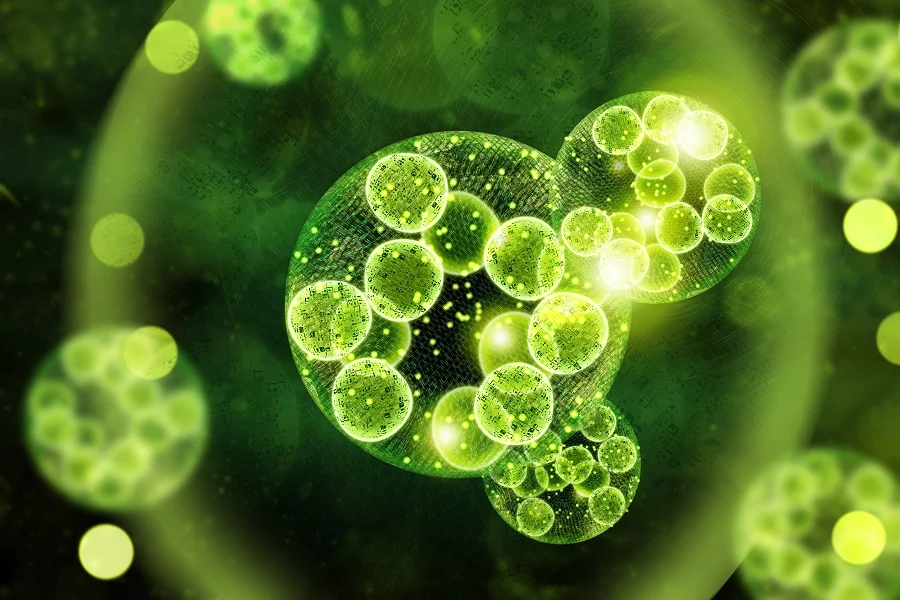
Chlorella is traditionally grown in freshwater and requires sunlight to generate its nutrients and vibrant green color. Brevel highlights that some 90% of the global chlorella supply is pond-grown, with the remainder produced in closed fermentation systems (mostly in Europe).
Chlorella is a known bioaccumulator that binds to pollutants and heavy metals present in the surrounding water and air. Because of this, cultivation should take place in clean, controlled environments with regular testing for heavy metals, pesticides, and microbial contaminants to help ensure product safety and quality.
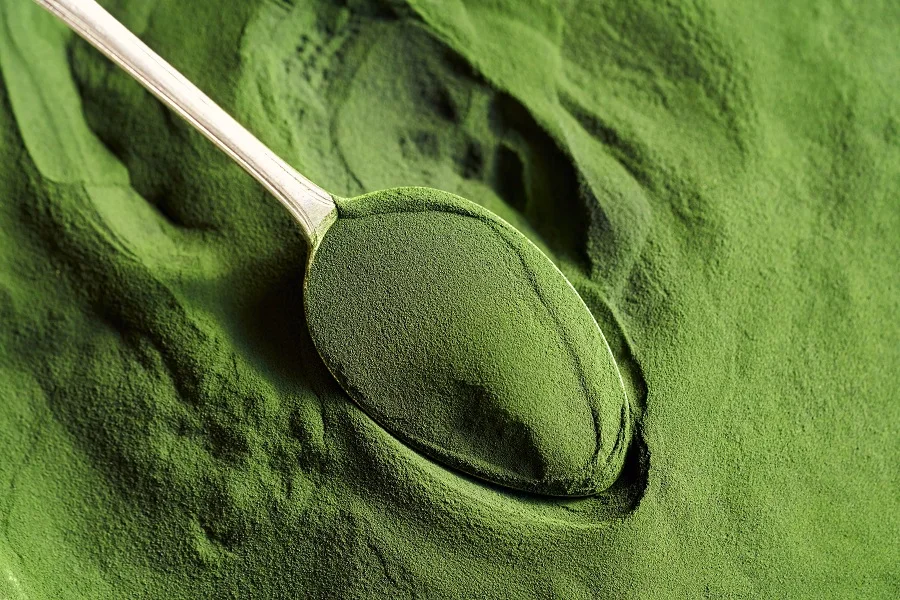
Brevel pioneered proprietary technology that combines light with fermentation in a closed, sterile system, which produces high-quality chlorella microalgae in generous quantities.
Brevel pioneered proprietary technology that combines light with fermentation in a closed, sterile system, which produces high-quality chlorella microalgae in generous quantities.
“Our clean label Purallis chlorella is cultivated in fully controlled, sterile bioreactors, eliminating any risk of contaminants or heavy metals,” explains Yfah Burstin, chief business officer for Brevel. “Thanks to the integrated light, it delivers premium chlorella that is exceptionally rich in complete protein, antioxidants, and chlorophyll.”
“Moreover, the concentrated light extends nutrient density and functionality while delivering a very mild flavor. For example, it can adjust iron levels for optimized formulations.”
Brevel Purallis is readily incorporated into functional foods, beverages, and supplements in active lifestyle and sport nutrition, metabolic and general wellness, healthy aging, and longevity.
“Our Industrial-scale operations ensure year-round availability of standardized, high-value chlorella, delivering a reliable supply and meeting demand at any volume, from pilot to global commercial quantities,” details Golan.
“Brevel Purallis is produced in facilities operated under internationally recognized standards, including HACCP, FSSC 22000, and is certified kosher, halal, and non-GMO.”
Thick cell wall challenge
Chlorella has a thick, rigid, indigestible cell wall composed of complex polysaccharides, cellulose, and sporopollenin.
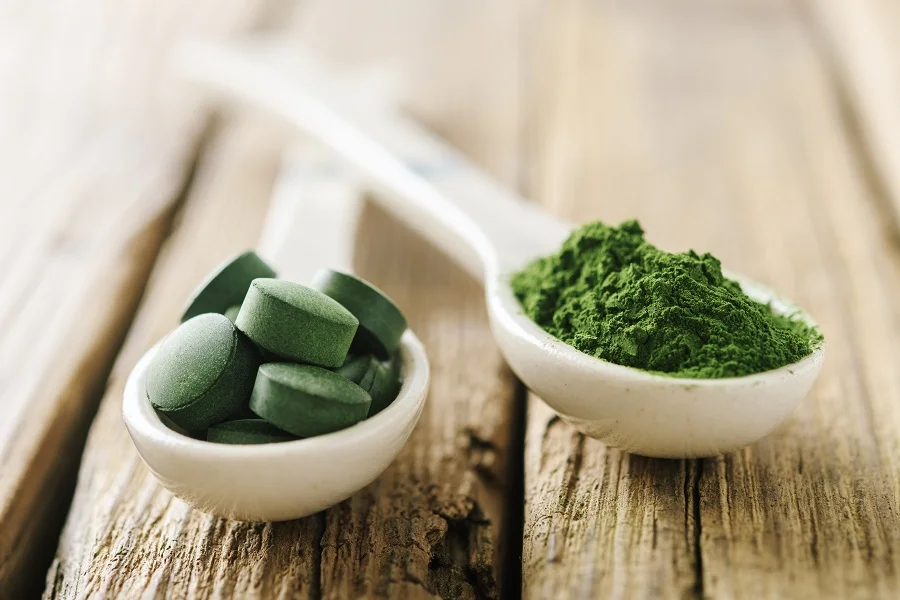 Brevel uses a bead mill to physically break the algae cells open to release their contents into a liquid matrix using a simple, mechanical method that omits harsh chemicals or high temperatures.Brevel uses a bead mill to physically break the algae cells open to release their contents into a liquid matrix using a simple, mechanical method that omits the need for harsh chemicals or high temperatures.
Chlorella is composed of 50% protein and boasts the complete spectrum of amino acids, naturally occurring vitamins (notably B vitamins), omega-3 fatty acids, essential minerals, and fiber, highlights the company.
It is also uniquely rich in iron and contains beneficial bioactive compounds, including carotenoids, chlorophyll, and polyphenols, which help protect cells against oxidative stress and support body detoxification.
“Chlorella is a highly versatile and sustainable ingredient with relevance to various wellness categories,” says Burstin. “Recent research revealed that in some persons, chlorella can function as a ‘precision prebiotic’ that could help correct specific microbial imbalances via powerful polysaccharide compounds, supporting beneficial bacteria that keep the gut lining healthy.”
“It also could serve as a strategic nutritional tool for filling protein and nutrient gaps in GLP-1 and other reduced-calorie diets, where users must be sure they are getting more from every bite they consume. We call it GLP-1 friendly food.”
Last year, Brevel and The Central Bottling Company entered a partnership to develop and commercialize functional beverages and dairy alternatives over the next ten years. The products are based on Brevel’s microalgae-extracted protein, functional oils, and antioxidants.