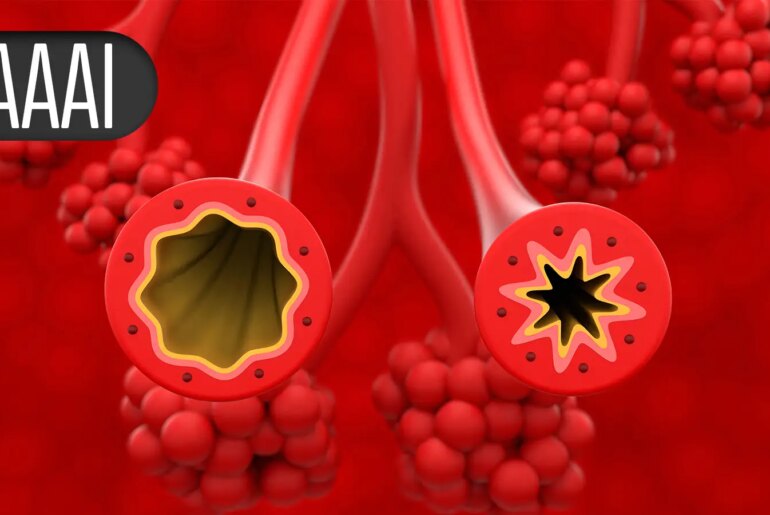
Once you hit your 40s, your body’s needs start to shift. Hormones fluctuate, collagen production slows, muscle mass naturally declines, and recovery takes a little longer than it used to. While a balanced diet should always come first, certain targeted supplements can help fill nutritional gaps and support healthy aging.
According to dermatologist Dr. Doris Day, there are a handful of over-the-counter supplements she often recommends to patients in their 40s — and a few that may not be necessary for everyone.
Here’s what makes her list.

On Your Feet All Day? These Supportive Inserts Are A Game-Changer — Reducing Pain And Giving Comfort

Shutterstock
1. Vitamin D
“Vitamin D is a no-brainer,” Dr. Day says. “Almost all my patients are low in vitamin D and that makes a big difference for your hair, for your skin, for your mood. It has autoimmune protection, even breast cancer protection.” Vitamin D plays a critical role in:
Immune function Bone health and calcium absorption Mood regulation Hair follicle cycling
Because many adults spend more time indoors and use sunscreen (which blocks vitamin D synthesis), deficiency is extremely common — especially after 40. A simple blood test can determine your levels.
Shutterstock
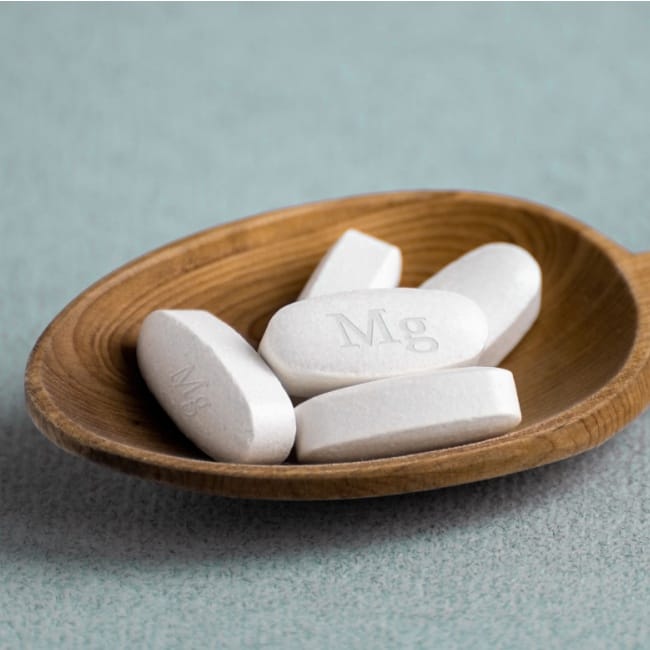
2. Magnesium
Sleep becomes more elusive for many people in midlife, particularly women navigating perimenopause. That’s where magnesium may help. “For many people magnesium is important because it often helps with sleep,” Dr. Day explains, “and when you sleep well your skin repairs and looks rejuvenated.” Magnesium supports:
Relaxation and nervous system balance Muscle recovery Blood sugar regulation Deep, restorative sleep
Since skin repair, collagen production, and cellular turnover peak during sleep, improving sleep quality can have visible benefits.
Shutterstock
3. Quercetin
“Quercetin is a bioflavonoid that’s found in high concentrations in orange juice and other citrus fruits, and when you take it, it has great anti-inflammatory protection and that is good for your skin,” Dr. Day says.
After 40, chronic low-grade inflammation becomes more common and can accelerate visible aging. Quercetin is known for:
Antioxidant support Reducing inflammatory pathways Supporting immune health
Lower inflammation levels can translate to calmer skin, improved tone, and better overall resilience.
Shutterstock
4. TA-65
One of the more cutting-edge recommendations on Dr. Day’s list is TA-65, a compound linked to telomere health.
“As we age our chromosomes get shorter — the shorter they are, the older we are. The ends start to fray,” she explains. “Think of those as the end of the chromosomes kind of like your shoelace… that little plastic prevents it from fraying. That’s what telomerase is — it prevents your chromosome from getting shorter and helps keep you looking and feeling younger.”
TA-65 is designed to support telomerase activity, which may help maintain telomere length — an area of growing research in longevity science.
Shutterstock
5. Omega-3s
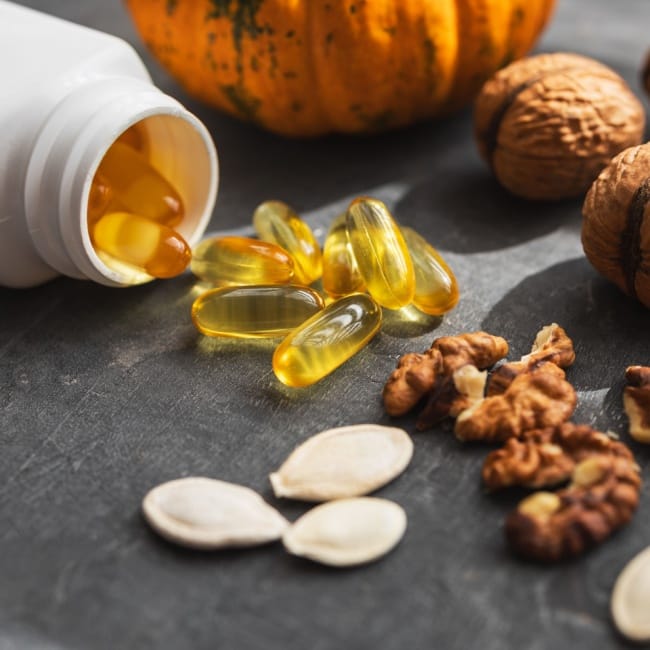
“Omega-3s become more important as we age because we want those essential fatty acids to help protect our skin, our heart, and our body in general,” Dr. Day says. Omega-3 fatty acids (often found in fish oil) are linked to:
Cardiovascular health Brain function Reduced inflammation Stronger skin barrier function
As estrogen levels decline in midlife, skin can become drier and thinner. Omega-3s help reinforce the lipid barrier and maintain suppleness.

Shutterstock
6. Resveratrol (With Spermidine Support)
“Resveratrol with spermidine — spermidine helps activate the resveratrol — and that has great antioxidants, anti-inflammatory protection that has shown some benefits around longevity,” Dr. Day explains. Resveratrol is a plant compound found in grapes and berries that has been studied for:
Antioxidant protection Cellular health Supporting healthy aging pathways
When paired with spermidine (sometimes referred to as “serine” in conversation but more commonly known in research as spermidine), it may enhance longevity-supporting mechanisms in the body.
Vitamins You May Not Need
While supplements can be helpful, Dr. Day emphasizes that not everyone needs everything. You may not need:
High-dose multivitamins if your diet is balanced Excess vitamin A (which can build up and become toxic) Mega-doses of antioxidants without medical guidance
The key is personalization. Testing vitamin D levels, reviewing your diet, and speaking with your physician before starting new supplements is essential — especially if you take medications or have underlying conditions.
Bottom Line
After 40, the focus shifts from quick fixes to long-term protection. Supporting sleep, reducing inflammation, maintaining heart health, and preserving cellular function can make a visible and internal difference. Vitamin D, magnesium, quercetin, TA-65, omega-3s, and resveratrol are among the supplements Dr. Day often recommends — but the best plan is always one tailored to your individual health profile. Aging is inevitable. Accelerated aging doesn’t have to be.