ADM’s pet supplement Priome, containing Bifidobacterium animalis subsp. Lactis CECT 8145 demonstrated metabolic health benefits in a trial with pet dogs. The findings include a reduction in postprandial blood glucose — sugar in the blood after a meal — as well as improved digestibility and gut hormone levels.
The company says the study builds on growing evidence of probiotics’ benefits in companion animals, driving innovation in functional nutrition.
The study emphasizes that 59% of US pet dogs are overweight or obese, posing an increased risk for chronic inflammation and metabolic disorders. “This underscores the need to investigate strategies to proactively support metabolic health in dogs,” says the study.
“Metabolic health is a major determinant of longevity and quality of life. In dogs, it encompasses factors such as weight management, blood glucose regulation, and hormonal balance,” asserts ADM.

“Although healthy dogs typically regulate blood sugar well, repeated glucose spikes — particularly in overweight or aging animals — can contribute to insulin resistance and other metabolic challenges.”
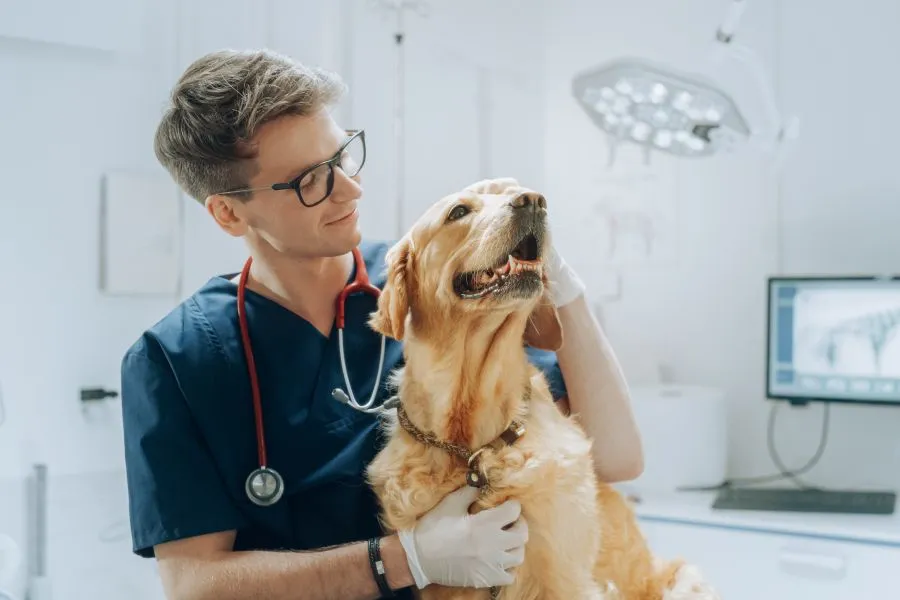 The dogs were divided into three groups: those receiving the probiotic, postbiotic, or a placebo.Influencing metabolic health
The study, published in Animals, was conducted on 45 healthy adult Labrador retrievers during weight gain and weight loss. It was divided into two phases: a weight-gain phase of overfeeding and a weight-loss phase of feeding the dogs just enough to maintain their weight.
The dogs were divided into three groups: those receiving the live bacteria supplement (probiotic), the heat-treated version (postbiotic), or a placebo. The researchers monitored the dog’s weight, fecal biomarkers, body fat, and overall health throughout the study.
During weight gain, dogs receiving the probiotic or postbiotic showed specific fecal and blood biomarkers linked to increased digestion and metabolism.
In the weight-loss phase, the group getting the postbiotic showed a reduced blood sugar after consuming kibble.
These findings suggest that supplementing with probiotics and postbiotics may influence metabolic health in dogs during weight change.
“This trial strengthens the growing evidence for postbiotics in companion animal research, driving innovation in functional nutrition. These findings significantly advance the industry’s understanding of postbiotic applications for canine metabolic health — a health area that historically has been underserved by biotic ingredients,” says ADM.
Amid weight gain and loss
During the weight-gain phase, postbiotics improved digestibility and showed a trend toward increased protein digestibility. Meanwhile, during the weight-loss phase, it slowed the digestibility of protein and nitrogen-free extracts compared with the placebo group.
 ADM recently told us that there is a growing interest in prebiotics, probiotics, and postbiotics for pets.Supplementation altered gut hormone levels, especially during the weight-gain phase. Differences from postbiotics were also observed across gender: females decreased glucagon, and males increased GLP-1.
The postbiotic group also showed a reduction in blood sugar after meals during the weight-loss phase, leading the researchers to suggest it might play a role in moderating glycemic response.
Overall, any supplementation did not impact body weight, composition, or condition score.
Biotics for pets on the rise
A representative from ADM previously told Nutrition Insight that growing awareness around the benefits of prebiotics, probiotics, and postbiotics for humans is being reflected in pet products. According to a company-backed survey, most pet owners have purchased biotics for their pet at least once.
A previous study revealed that most homemade dog meals lack essential nutrients and may put pets’ health at risk. Scientists involved in the Dog Aging Project noted that over the last two decades, these diets have grown in popularity as consumers increasingly prioritize natural, whole foods for their dogs.
During last year’s Christmas season, ADM told us that the safest option for dog meals and snacks is treats specifically formulated for pets, rather than human food.