
Study: Low Vitamin D May Increase Inflammation Elena Noviello – Getty Images
Low vitamin D levels may contribute to chronic inflammation, according to a study.
Researchers found that vitamin D deficiency increases levels of key inflammatory markers and that getting more vitamin D may reduce inflammation.
Experts explain what this means for your health, plus easy ways to increase your intake of vitamin D.
Inflammation is behind a host of chronic illnesses and conditions, from poor sleep to heart disease. As such, taking steps to reduce or reverse chronic inflammation can go far towards promoting healthy aging. One smart step may be increasing your intake of vitamin D, especially if you’re not getting enough of the vitamin. Why? Research suggests that vitamin D deficiency may cause inflammation. Here’s what the study found, plus simple ways to increase your intake of vitamin D.
Meet the expert: Jackie Newgent, R.D.N, C.D.N., a registered dietitian nutritionist based in Los Angeles.
The research, which was published in the International Journal of Epidemiology, shows a direct link between low levels of vitamin D and high levels of inflammation, providing an important biomarker to identify those at higher risk of developing chronic illnesses with an inflammatory component. Researchers from the University of South Australia examined random genetic data of 294,970 unrelated participants with White-British ancestry from the U.K. Biobank. They then looked to see if there was a correlation between vitamin D and C-reactive protein levels, which are indicators of inflammation.
Prior to this study’s findings, we knew that “when you don’t get enough vitamin D, it may result in higher levels of C-reactive protein, which is an indicator of inflammation,” said dietitian and nutritionist Jackie Newgent, R.D.N, C.D.N.. But this study sought to determine whether or not low vitamin D levels actually cause inflammation.
The researchers found evidence supporting the theory that vitamin D levels impact C-reactive protein levels, meaning that lower vitamin D levels do trigger the response from the C-reactive protein, an indicator of inflammation. The researchers also found no evidence supporting C-reactive protein having an impact on vitamin D concentrations. This means that low levels of vitamin D do cause inflammation, but not vice versa.
According to the study’s results, only individuals with low vitamin D concentrations have elevated C-reactive protein levels, which indicate higher inflammation. On the bright side, the study also suggests that correction of vitamin D deficiency in affected individuals is likely to reduce inflammation and potentially mitigate the risk or severity of chronic illnesses with inflammatory components. Therefore, the inflammation caused by vitamin D deficiency is reversible if vitamin D concentrations are brought back to normal levels, per the study.
While this study has many strengths, it’s important to note some of its limitations as well. First and foremost, this study only looked at people with White-British ancestry, which is not indicative of the general population. And, although C-reactive protein is a widely used inflammatory biomarker, it certainly cannot capture the full complexity of the immune system. The investigation of more specific biomarkers is required to provide a more detailed understanding of the anti-inflammatory effects of hormonal vitamin D.
Even though this research was published in 2023, studies that have come out since support the conclusion that getting enough vitamin D helps reduce inflammation and chronic disease risk. A 2025 study found that vitamin D promotes healthier aging at the cellular level, while separate research found that it can lower blood sugar and reduce your risk of developing diabetes, a common chronic illness of which inflammation is a known risk factor.
How to increase your vitamin D intake
Roughly 35% of American adults are deficient in vitamin D, according to the Cleveland Clinic, so many could benefit from increasing their intake and potentially reaping the anti-inflammatory benefits. Plus, it’s easy to do so.
According to Newgent, “most people can get plenty of vitamin D by following a nourishing eating plan in combination with getting regular sunlight. Vitamin D is also called the ‘sunshine’ vitamin, after all!”
If your skin doesn’t get adequate exposure to sunlight or if you’re over 65, supplemental vitamin D may be needed. Additionally, if you have certain health conditions, your physician or dietitian may advise you to take vitamin D as a supplement, too. Ask a healthcare provider to measure your vitamin D levels; they can offer personalized advice about the best dose and form of vitamin D for you.
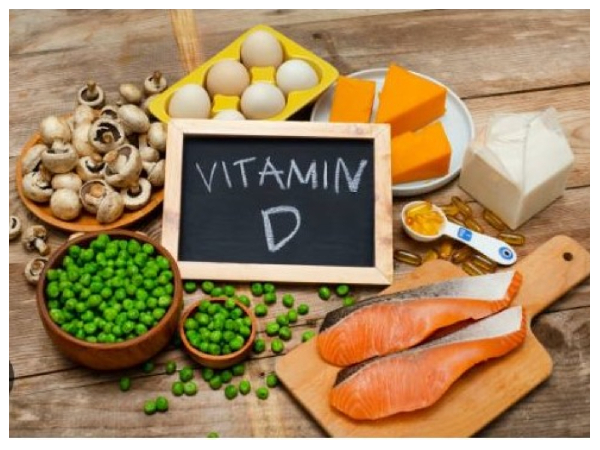
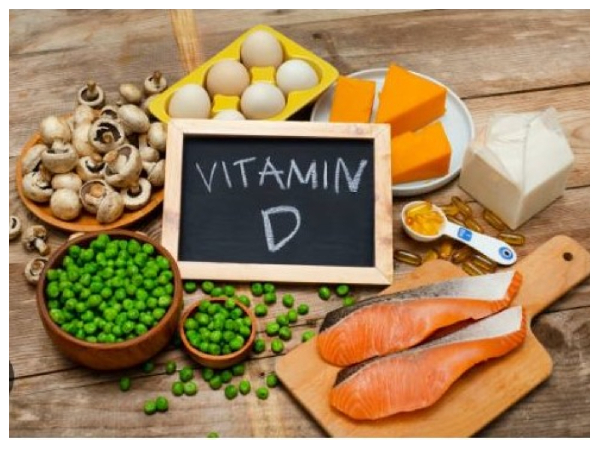
In the meantime, there are many vitamin D-rich foods that you can try incorporating into your anti-inflammatory diet as well. Here are a few of Newgent’s recommended foods high in vitamin D:
Mushrooms, such as white button, cremini, and portabella, when exposed to UV-light
Select fortified plant-based foods, such as plant milk and yogurt, tofu, cereals, and orange juice
Fortified dairy milk and yogurt
If you’re looking to get more vitamin D from fruit or veggies alone, “mushrooms are the only source of vitamin D that you’ll find in the produce department,” said Newgent.
The bottom line
“This study adds to the body of evidence that Vitamin D is vital for good health; however, it doesn’t mean that simply popping a Vitamin D supplement will be a definitive way to prevent inflammation,” explained Newgent.
Leading a healthy lifestyle and getting plenty of sunshine is still the best way to make sure you are getting sufficient doses of vitamin D. And while we know now that vitamin D deficiency can cause inflammation, it’s not the only cause and more research is needed to explore the link between the two.
Dietary supplements are products intended to supplement the diet. They are not medicines and are not intended to treat, diagnose, mitigate, prevent, or cure diseases. Be cautious about taking dietary supplements if you are pregnant or nursing. Also, be careful about giving supplements to a child, unless recommended by their healthcare provider.
You Might Also Like