 6 min read
Welcome to Wellness Redefined, a collaboration between House Beautiful, Women’s Health, and Men’s Health. We’re pulling back the curtain on how the spaces we design can help us sleep deeper, recover smarter, move more, and feel calmer. Follow along here for the best editor-vetted wellness products, designer home gym ideas, and so much more.
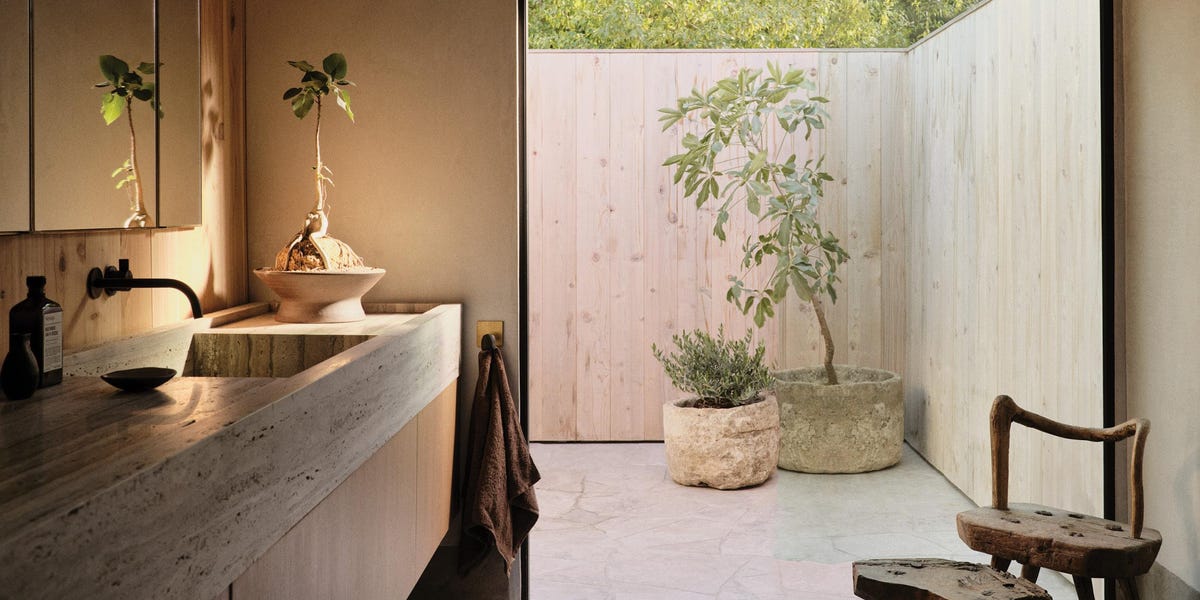
Residential wellness has gotten a makeover. What used to be all about cold plunges and at-home saunas has shifted into something different, something quieter that isn’t even visible at first glance. As homes have become more layered and warmer, so have trends having to do with the well-being of the homeowner. While these holistic amenities remain essential in wellness, they’re no longer seen as add-ons and are more integrated into daily life. Designer Jennifer Worts calls it “invisible wellness.” Other designers in this space seem to agree.
However, invisible wellness can take many forms. Keep reading to find out more about the next biggest trend in this area.
What Is Invisible Wellness?
When wellness is built into the foundation of a home, it becomes invisible while still having intention. Cold plunges, saunas, and spas are still favorites in this health space, but designers are finding that their clients are looking for more. Single-purpose spaces won’t cut it as homeowners want to infuse residential wellness into every part of their home.
“This movement isn’t about deemphasizing the physical pillars of health—the high-performance home gym or the restorative heat of the sauna remain essential,” Worts tells House Beautiful. “Instead, it is an evolution of the atmosphere that houses them. We are transitioning away from a purely ‘gym-adjacent’ aesthetic toward the circadian-optimized sanctuary, where the architecture itself works in tandem with our biological needs.”
Through lighting, color palettes, technology, scentscaping, and furnishings, to name a few, invisible wellness is worked into interiors to create not only a healthier environment, both mentally and physically, but a more beautiful one.
How Is This Translated Into the Home?
This shift in wellness design has expanded from a single room to the entire house. More ritualistic holistic practices are being embraced, and the trend right now, ironically enough, is less trendy and more timeless. As designer Grant Kirkpatrick of KAA Design Group puts it, “older ideas of living well—walking paths, bathing rituals, connection to landscape, and moments of stillness,” are being reinterpreted in contemporary ways.
Lighting and Color
The ways color and lighting are present in the home can truly affect one’s mood. For a calming space, bright reds and loud yellows won’t help with that tranquil goal, and bright white lighting can feel more like a doctor’s office than a welcoming home.
Color palettes are chosen based on how they affect someone emotionally, and while this isn’t a new concept, it’s being paired with other aspects regarding one’s well-being.
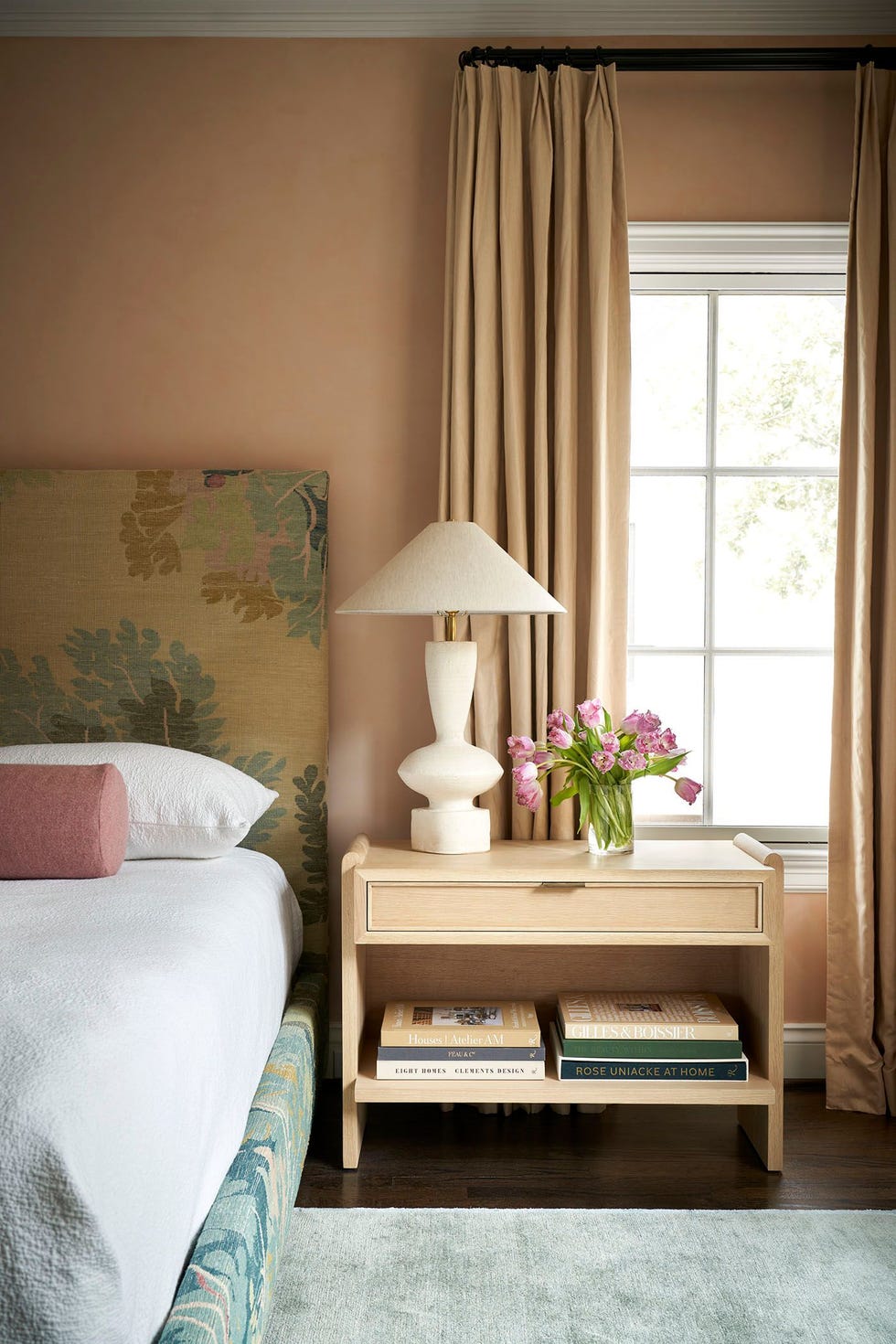 Pär Bengtsson”For this particular project, the palette was inspired by the colors of a sunset—periwinkle, coral, pink, gold, blue, and slate gray,” says designer Meg Lonergan. “We infused the house with these serene colors and the result is both calming and energizing.”
Designers who are focusing on wellness are being more intentional about the way they integrate artificial lighting, as well as how they frame natural light, to better mirror the natural rhythms of daylight, explains Karen Wolf of K+Co Living. “Bright and energizing in the morning, warmer and more calming as the day winds down. We’re designing homes that know when to invite in natural light and when to soften it,” she adds.
Similar to how the Hatch alarm clock wakes people up by mimicking the sunrise, designers are using that methodology throughout the entire house and covering the entire day, capturing both the intensity and color temperature of the sun’s transition. “I am fascinated by spaces that gently usher us into the day and then utilize ‘dark-sky’ compliant schemes to mirror the warmth of a setting sun,” Worts says. “This isn’t just a visual choice; it is a biological necessity that regulates the nervous system and prepares the body for deep recovery.”
Materials
Invisible wellness is also integrated into the materials used within the home. And no, we’re not talking about plastic versus wood cutting boards, but rather, the paint you use. The latest innovations in paint have been leaning more green for the past couple of years, and designer Lisa Galano specifically calls out Alkemis Paint for their mineral, nontoxic paint formulations.
 Roger Davies
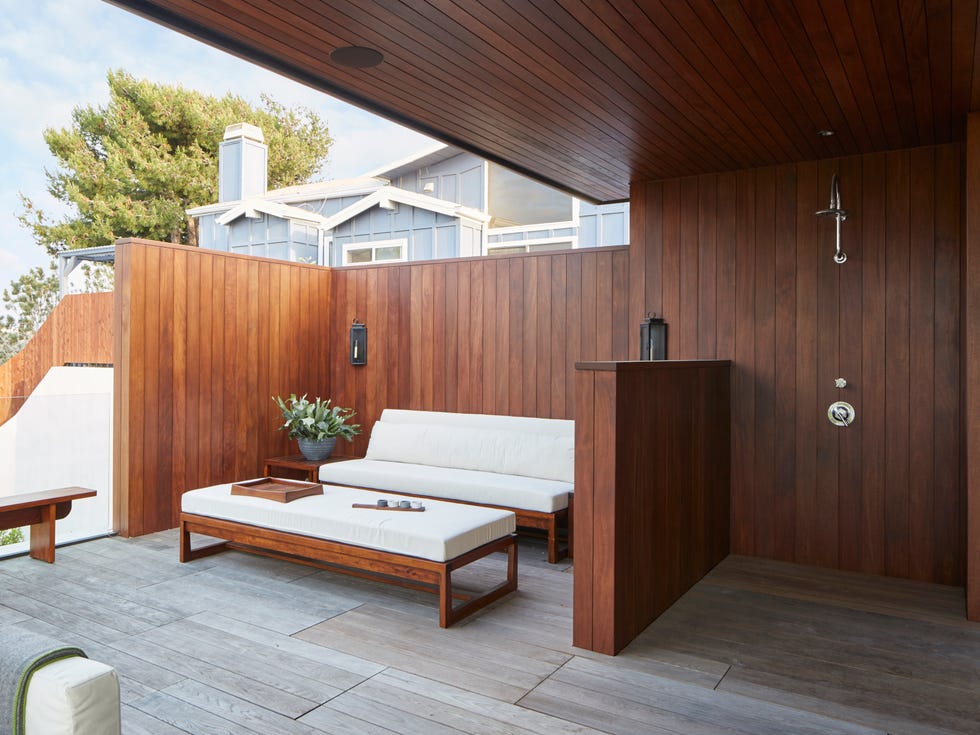
Not only does the wood paneling make this outdoor living space by KAA Design Group feel warmer, but the material creates a biophilic connection to nature.
These types of products, she says, “quietly improve indoor air quality and make wellness invisible but foundational, pointing toward homes that feel calmer, support better sleep, and reduce sensory load without announcing themselves as ‘wellness spaces.’” Even wood paneling helps foster a feeling of wellness due to its connection to nature.
Scent and Acoustics
Two other senses play a big part in invisible wellness: scent and hearing. Wolf explains that designers are taking a more holistic approach when it comes to scentscaping, or as she calls it, scent stacking. “Beyond candles or diffusers, we are seeing interest in the intentional layering of multiple fragrances throughout a home to create emotional depth and ambiance,” she says. Think of it like aroma therapy and scentscaping combined. Wolf’s team is even exploring the idea of installing a built-in “scent bar” to certain projects as a way for homeowners to interact with fragrance in an almost ritualistic way as they engage with their space.
The way a space reacts to sound contributes to the wellness design as well. “We have mastered how a room looks, but we are finally beginning to prioritize how it sounds and feels on a sensory level to actively lower cortisol,” Worts says. “I’m currently exploring materials like integrated acoustic plaster—which offers the soft, earthy look of limewash or suede—to create spaces that are as quiet as they are beautiful, and gyms featuring leather-finished equipment to dampen mechanical noise and soften the acoustic profile of a workout.”
Related StoriesTechnology
You can’t talk residential wellness without technology. If it’s done thoughtfully and well, incorporating technological advances into your everyday routines can greatly affect one’s well-being. Wolf brings up motorized window shades, for example: it’s such a simple idea, yet this next-level evolution allows homeowners to control how much light they’re receiving, privacy, and airflow at the touch of a button. It goes hand-in-hand with how lighting affects wellness.
She also mentions Japanese toilets, considering these inventions to have crossed into the “necessity” category. Japanese toilet seats are often heated, come with multiple bidet options, and some even open the lids and play music when someone enters the bathroom. It’s a simple pleasure that dramatically improves daily comfort and hygiene.
Layouts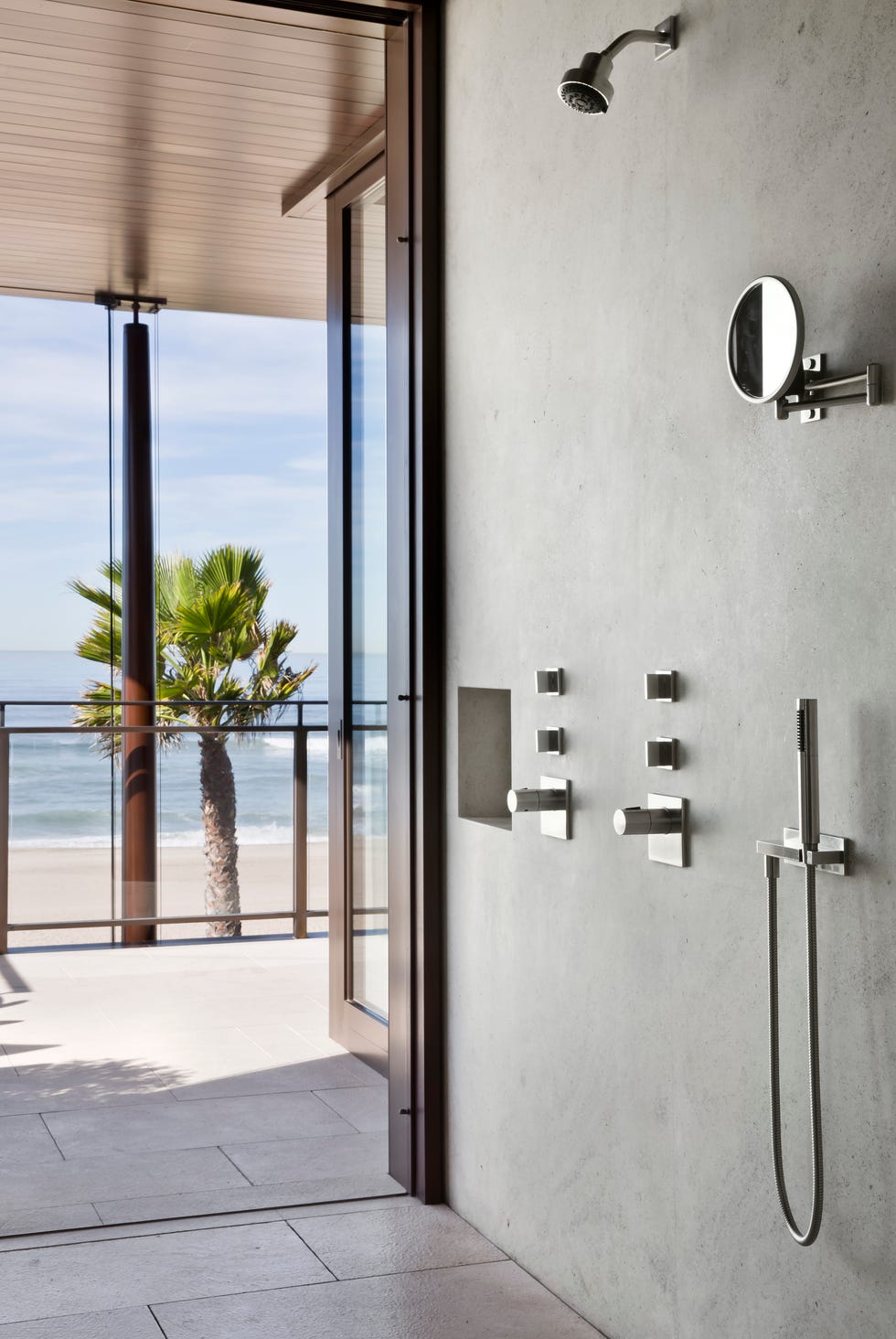 MANOLO LANGIS
Not only is the view outstanding from this shower designed by KAA Design Group, but it strengthens the relationship between the indoors and outdoors.
The way one moves about their house can even serve as invisible wellness. “Homes are being designed to regulate light, air, acoustics, and temperature naturally, reducing the need for constant mechanical intervention,” Kirkpatrick says.
Room orientations are more thoughtful regarding sunlight and feng shui; courtyards are added into first designs, and gardens are both decorative and actively used for movement, recovery, and meditation. He even mentions operable walls, allowing room sizes to be adjustable for the most efficient use of floor space.
Furnishings and Luxury Amenities
We can’t forget cold plunges and saunas when on the topic of residential wellness. However, even these luxurious amenities have gotten the “invisible” treatment, with designers finding ways to integrate them in more meaningful ways. Often, the spaces which hold these saunas and cold plunges become multi-sensory escapes, ready with sound bath equipment for meditation, recovery zones, and red light therapy.
 Valerie Wilcox
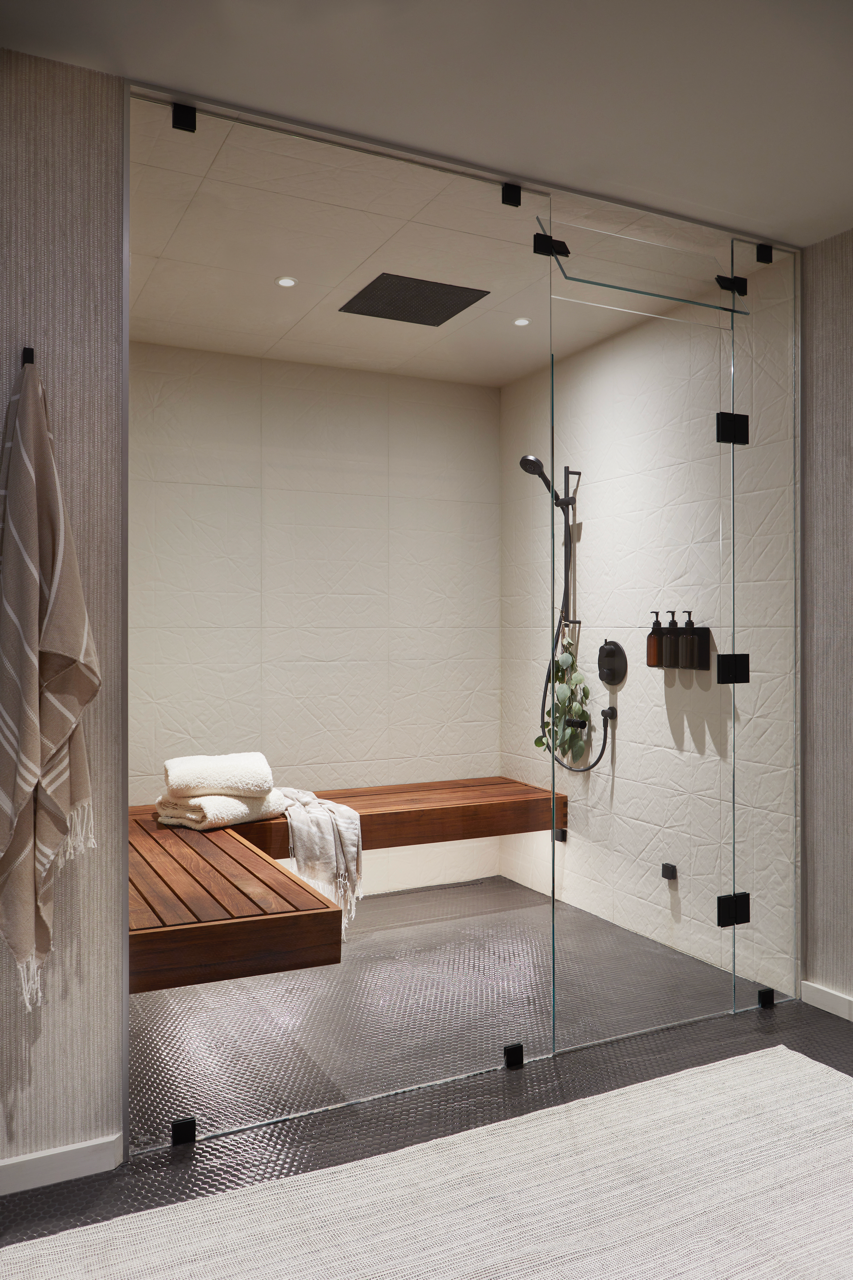
This shower by Jennifer Worts doubles as a spa steam room.
Invisible wellness is hitting furniture, too. Designer Susan Petrie of Petrie Interior Designs explains that she recently tried out the Morphus chair, which “combines sound, light, and vibrational therapy into a sculptural, design-forward experience.” At first glance, it looks like any other modern chair, but after just 12 minutes of lounging in it, Petrie felt like she’d just stepped out of a meditation retreat.
“It made me realize that the next wave of in-home wellness isn’t about adding more gadgets—it’s about creating immersive, beautifully designed moments that truly calm the nervous system and integrate seamlessly into how we live at home.”
Follow House Beautiful on Instagram and TikTok.