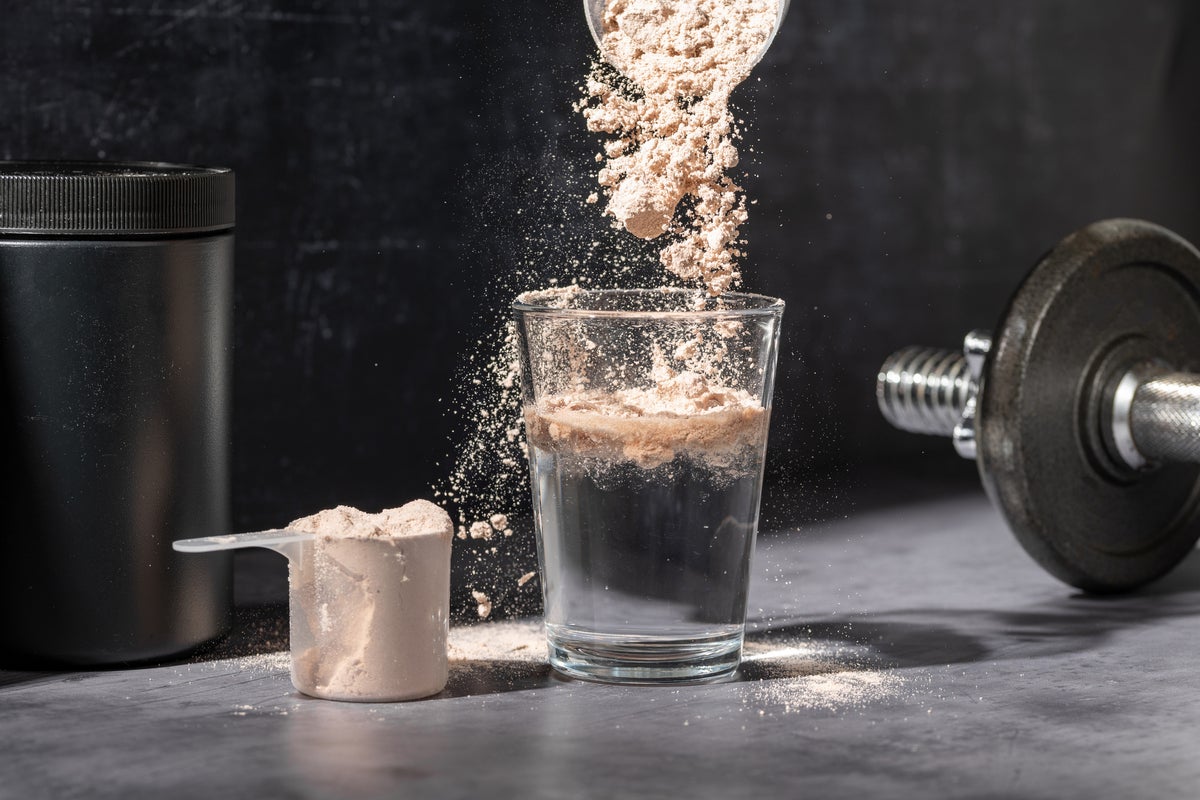
Pre-workout gym supplements may be linked to severely reduced sleep in teenagers and young adults, scientists warn in a new study.
A single serving of a pre-workout supplement can contain several times more caffeine than a standard cup of coffee. This energy boost may come with the trade-off of much shorter sleep, however, researchers from the University of Toronto in Canada say.
The latest study assessed responses from nearly 900 participants and conducted a statistical analysis to determine the link between the use of pre-workout dietary supplements over the previous year and average sleep duration in the past two weeks. It found that gymgoers who used pre-workout supplements were more than twice as likely to sleep five hours or less per night than their peers who did not.
This is well below the roughly eight hours of sleep recommended for this age range. “Pre-workout supplements which often contain high levels of caffeine and stimulant-like ingredients have become increasingly popular among teenagers and young adults seeking to improve exercise performance and boost energy,” Kyle T Ganson, an author of the study published in Sleep Epidemiology, noted.
“However, the study’s findings point to potential risks to the well-being of young people who use these supplements.”

A scoop of espresso coffee (Getty)
Stimulating ingredients in many pre-workout formulas in particular may be worsening sleep and routine use may become risky to overall health.
“These products commonly contain large doses of caffeine, anywhere between 90 to over 350mg, more than a can of Coke, which has roughly 35mg, and a cup of coffee with about 100mg,” said Dr Ganson. “Our results suggest that pre-workout use may contribute to inadequate sleep, which is critical for healthy development, mental well-being, and academic functioning.”
Researchers urge paediatricians and family doctors to routinely ask young patients about using supplements.
“Findings underscore that the high caffeine content of pre-workout dietary supplements is associated with shorter sleep durations, which are well below recommended guidelines for adolescents and young adults,” the study noted.
Some harm reduction practices, such as avoiding these products 12 to 14 hours before bedtime, can help.
“Young people often view pre-workout supplements as harmless fitness products,” Dr Ganson noted. “But these findings underscore the importance of educating them and their families about how these supplements can disrupt sleep and potentially affect overall health.”