Korean skincare is everywhere right now, from new concept stores on Carnaby Street to an influx of far-flung brands arriving on British shelves each week. You may already have a number of K-beauty products in your routine: soft sunscreens that feel weightless and absorb effortlessly, clever tonics that target redness and irritation, and skin-glazing overnight masks that sink in to deliver that truly glossy ‘glass skin‘ allure.
The latest trend to catch our eye is ‘cloud creams’. These cool, bouncy moisturisers boast a lightweight yet deeply hydrating finish that sinks into the skin, leaving a natural, blurred effect. Perfect for oily skin types, these formulas aren’t overly shiny, and their breathable texture makes them an effortless update on heavy occlusives. In terms of ingredients, you can expect barrier-supporting ceramides, panthenol and skin-identical lipids — all designed to strengthen and moisturise without ever feeling heavy.
Here, we dive into the trend with expert facialists and dermatologists, deciphering exactly why you need a cloud cream in your routine in 2026, and which ones are worth shopping now.
What is the ‘cloud cream’ trend?
The cloud cream relates to the new wave of moisturiser formulas that prioritise a fluffy, whipped gel texture, a soft finish and lightly nourishing ingredients.
‘The cloud cream trend reflects a broader move toward intelligent hydration,’ says holistic facialist and skincare founder Mina Lee. ‘Rather than relying on heavy occlusives to seal moisture in, these formulations focus on strengthening the skin barrier while maintaining breathability. ‘Cloud skin’ isn’t about shine or glow; it’s about a softly diffused, plumped finish that suggests optimal hydration and barrier balance.’
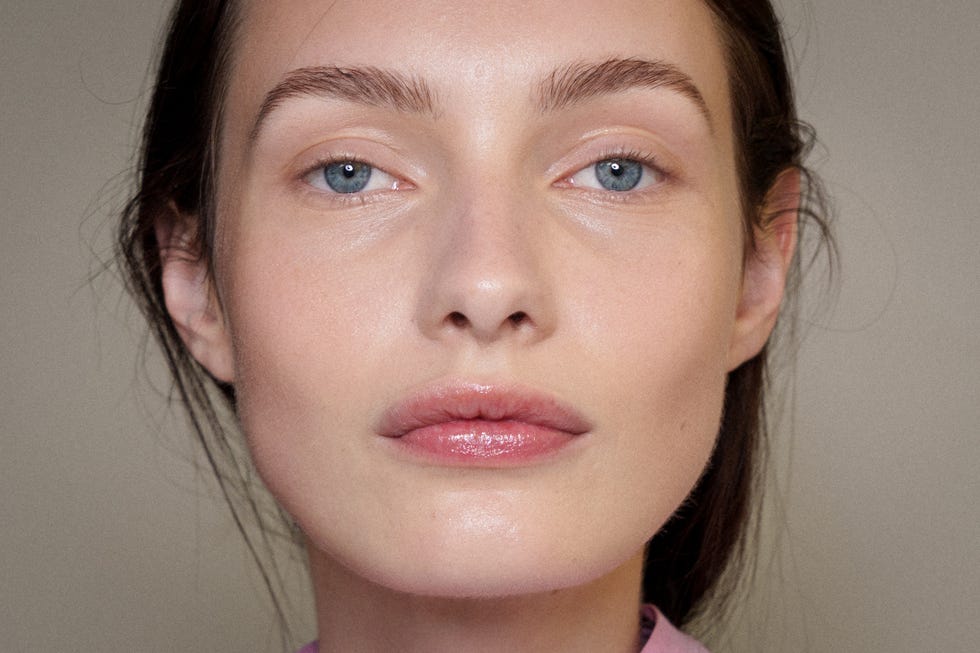
Matteo Valle//LAUNCHMETRICS SPOTLIGHT
How is it different to traditional moisturisers?
Lee explains that while traditional moisturisers are often richer in petrolatum – mineral oils or dense butters that create a protective film on the skin – cloud creams are typically emulsified in a way that produces a whipped, aerated texture.
‘Heavier creams primarily function by reducing transepidermal water loss through occlusion,’ says aesthetic physician Dr Hany Abi Ghosn. ‘Cloud creams, by contrast, tend to prioritise biomimetic lipids, lightweight emollients and structured emulsions that integrate more seamlessly into the epidermis.’
In short, cloud creams provide hydration and barrier repair while preserving the skin’s ‘permeability’ (how easy it is for products to absorb). This is an important consideration when using active ingredients or having treatments such as LED therapy, Ghosn says.
What ingredients should you look for?
‘From a formulation perspective, you’ll usually see a focus on barrier-supporting lipids such as ceramides, cholesterol and fatty acids, alongside soothing humectants,’ says Lee. ‘A good example is Neal’s Yard Remedies’ Oat And Ceramide Barrier Repair Cream, which combines ceramides with oat extract to calm inflammation while reinforcing the stratum corneum.’
The result? Skin that feels cushioned and resilient, with a velvety, almost blurred finish rather than overt shine.
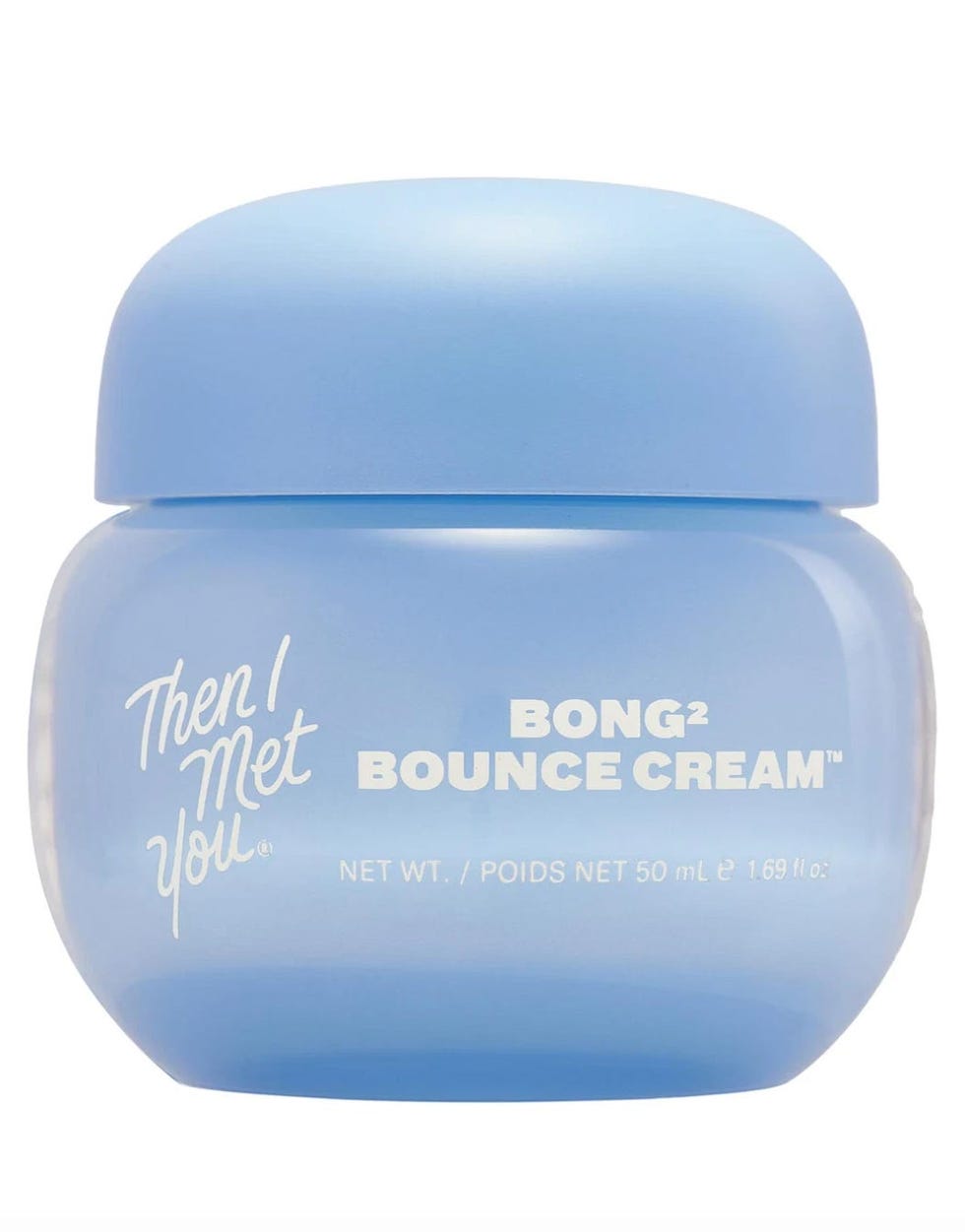 Then I Met You Bong² Bounce Cream
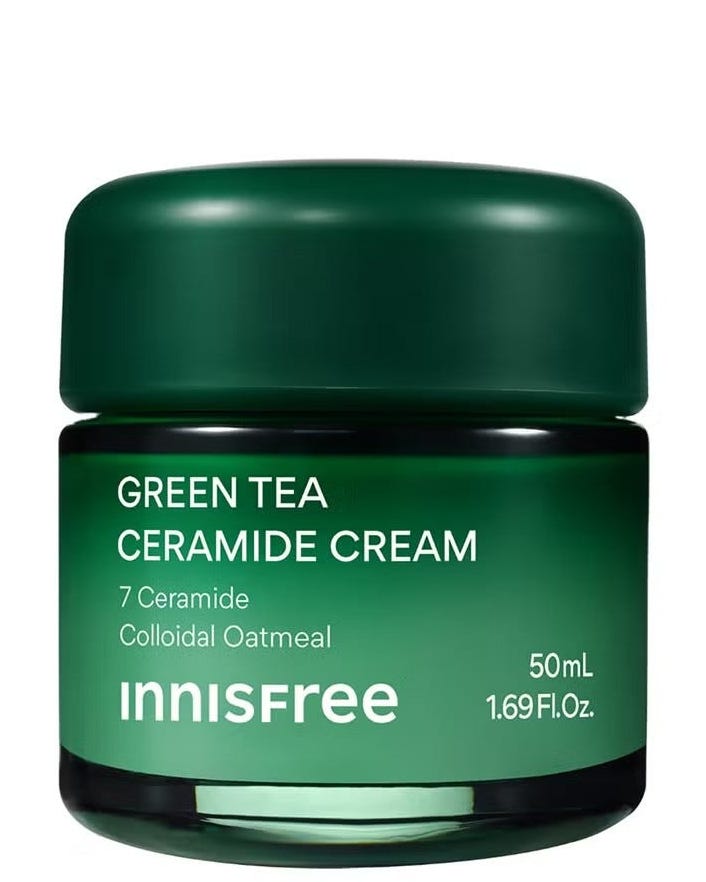 Innisfree Green Tea Ceramide Cream
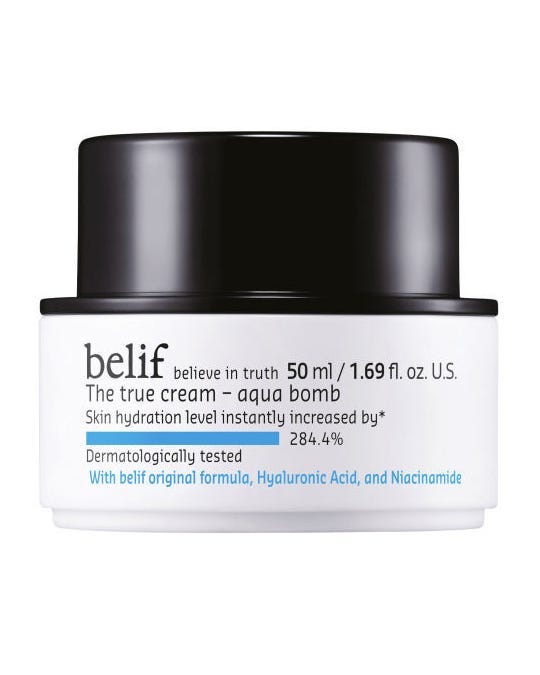 Belif The True Cream Aqua Bomb
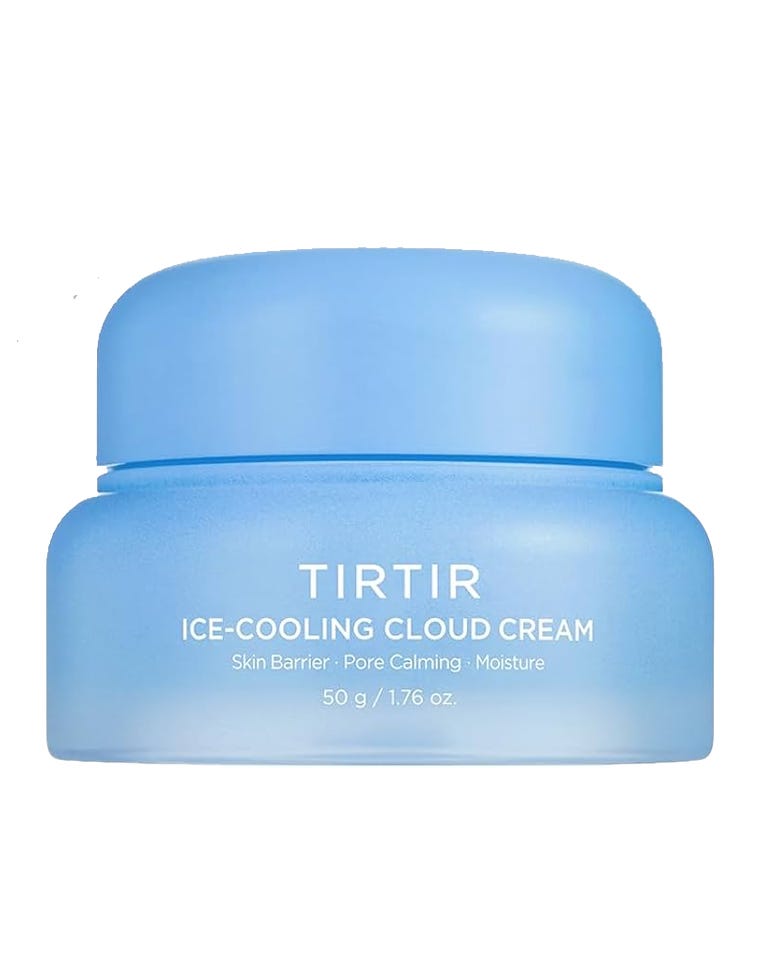 TIRTIR Ice-Cooling Cloud Cream
ELLE Collective is a community of fashion, beauty and culture lovers. For access to exclusive content, events, inspiring advice from our Editors and industry experts, as well as the opportunity to meet designers, thought-leaders and stylists, become a member today HERE.
Related Stories
Katie Withington (she/her) is the Beauty Writer, at ELLE UK and Harper’s Bazaar. Working alongside the ELLE UK Beauty Team, she covers all things beauty for both print and digital, from finding backstage make-up trends at London Fashion Week and investigating buzzy skincare ingredients, to unzipping the beauty bags of Hailey Bieber and Margot Robbie. Prior to joining ELLE UK in 2022, Katie studied (BA) Fashion Journalism at London College of Fashion and has previously contributed to Red, Good Housekeeping and Prima.