 5 min read
I’ve always been a competitive athlete—I loved the discipline that comes with sports. Growing up, I tried just about every sport imaginable before I eventually went on to play Division I soccer in college. But after graduating, I felt lost—I missed the competitive spirit and opportunity to push myself to perform at the highest level. In multiple efforts to fill the void, I ran a marathon, tried every group workout class I could find, and even joined adult soccer leagues, but nothing felt the same.
Then, about a year ago, at 31, I met a girl at a bachelorette party who trained in jiu jitsu, a martial art and combat sport focused on ground fighting. I was surprised, because I’d always thought of jiu jitsu as a male-dominated sport. I was immediately intrigued because it was so far out of my comfort zone and unlike anything I’d ever tried.
A few weeks later, I attended my first class, and I won’t lie: It was extremely awkward. With zero experience in martial arts or self-defense, I was a fish out of water—the idea of fighting someone felt unnatural and the movements felt a little silly. It was also the hardest workout I’ve ever done, since it combines cardio with full-body strength and flexibility.
Fortunately, my coach (traditionally called a Professor) was extremely patient and encouraging. He carefully walked me through the foundational moves and drills, and paired me up to fight more experienced women who knew how to safely train with a beginner and could answer my questions.
Even though I wasn’t winning any fights as a beginner, every class pushed my limits. I loved moving my body in new ways and giving 100 percent of my effort—and I was hooked after only a few classes.
Jiu jitsu has become a workout staple for me—and has totally leveled up my strength, endurance, and resilience.
I’ve been consistently taking jiu jitsu classes two to three times a week for almost a year now. Each class lasts about an hour, with the first 45 minutes focused on drills and the final 15 minutes dedicated to rolling, or live sparring (where two athletes safely “fight,” practicing the techniques they’ve learned against each other in a controlled full-contact setting).
audrey galvin
The sport is a full-body workout: Your upper body engages through gripping (how you hold and control your opponent), pulling (when a standing fighter intentionally brings the match to the ground), and submissions (when the opponent is put in a chokehold). Your lower body powers sweeps (moving from a defensive position below your opponent to one of control) and escapes (regaining control by escaping a submissive position). Your core and obliques constantly work to keep you stable and balanced on the mat. Going all out in rolling sessions also pushes your physical endurance and mental resilience to the max.
To support my jiu jitsu practice, I also strength train three times a week through two lower-body days and one full-body session. I’ve been lifting weights for years, thanks to my time as a college athlete, so I program my own workouts and focus on lifting heavy weights with good form. To mimic some of the moves performed in jiu jitsu, I include plenty of push-pull exercises like bench presses, hip thrusts, dumbbell rows, and deadlifts. Lately, I’ve also been working on my mobility and flexibility, since those modalities also play such a big part in performance on the mat.
3 Fitness Products I Can’t Train Without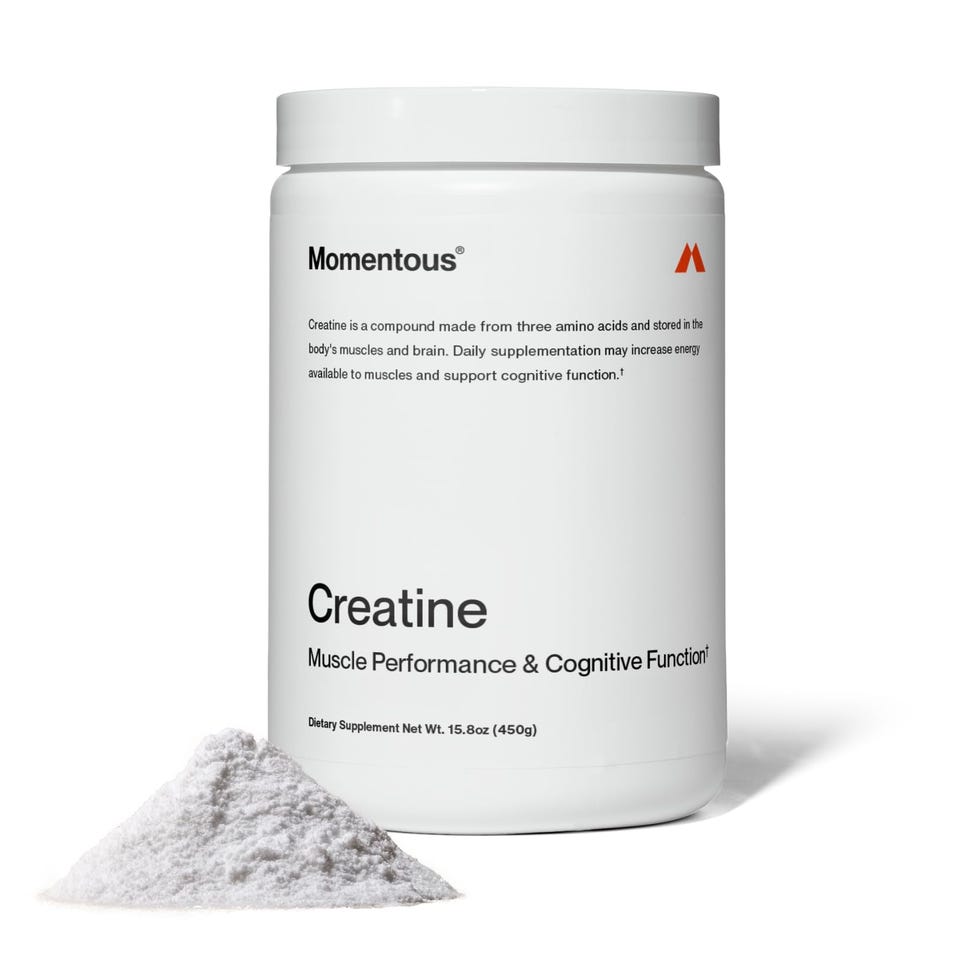 Momentous CreatineCredit: Courtesy
I recently started taking Momentous creatine to support my strength, power, and cognitive functioning, and I’ve already noticed improvements in my energy and focus.
 Momentous Vegan Protein PowderCredit: Courtesy
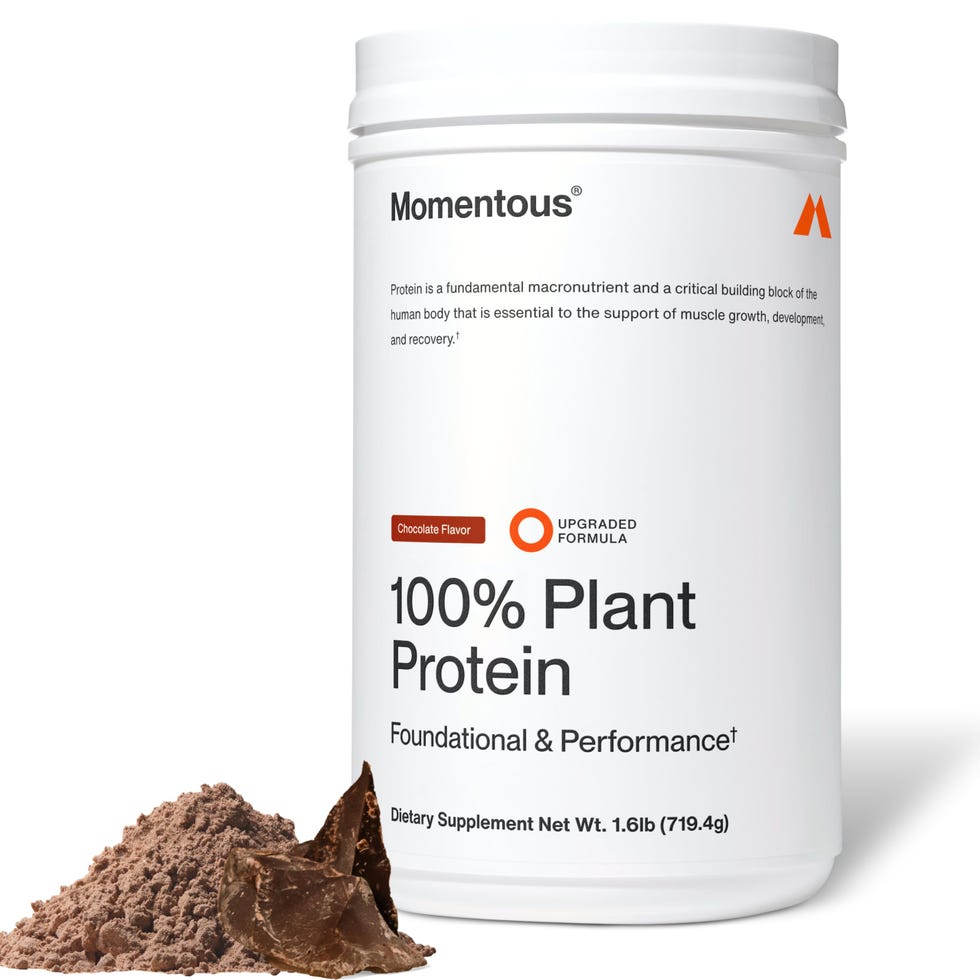
I try to get most of my nutrients from whole foods, but when I’m in a pinch, I like adding a scoop of Momentous plant protein powder into my water or smoothie.
 Lululemon Energy BraCredit: Courtesy
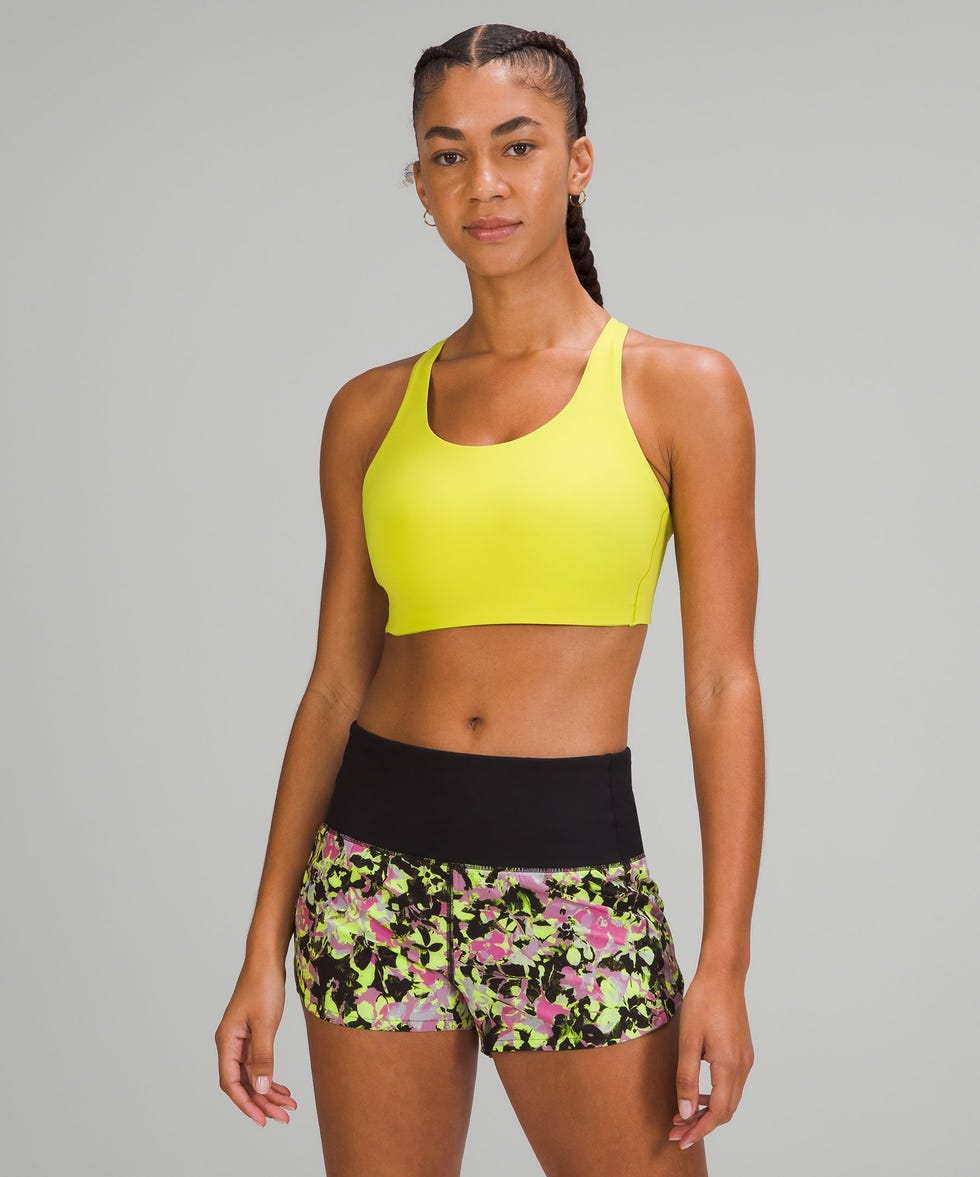
I’m extremely loyal to my Lululemon Energy Bra—it’s supportive, comfortable, and provides just the right amount of coverage.
These three factors completely upgraded my strength routine:1. I found a community that resonates with me.
When my collegiate soccer career ended, I missed not only the competition, but the team camaraderie and sense of community. I spent years trying to find that again, and when I found jiu jitsu, it felt like a new home.
Even though jiu jitsu is technically an individual sport, the people I train with are incredible and make it feel like a team. Everyone genuinely wants to see each other improve; people share their advice, answer questions, and push you to get better every single day. I’m especially grateful for the women I train with—one minute we’re laughing together, and the next we’re competing hard against each other. It’s the perfect balance of team camaraderie and competitiveness, and exactly what I was missing after college.
2. I got comfortable with failure.
In my experience, embracing failure has been one of the hardest—and most important—parts of trying a new sport as an adult, especially jiu jitsu. I went from feeling confident and capable in a sport I’d played at a high level my entire life to stepping on the mat as a total beginner—that was extremely humbling.
In jiu jitsu, I’m going to lose, I’m going to forget steps. Sometimes I’m going to feel two moves behind my opponent. But I’ve learned that real growth happens when I stop counting those moments as failures and start viewing them as evidence that I’m learning. It’s taken time, but instead of thinking, “I failed, I’m bad at this,” I’ve reframed my mindset to think, “This attempt didn’t work, but I’m learning what specifically I can fix to get better.”
3. I let go of embarrassment.
Trying something new as an adult can be uncomfortable—especially when you walk into a room fully aware that you have no idea what you’re doing. I definitely felt out of place at my first few jiu jitsu classes, but I made a conscious decision to let go of embarrassment. I reminded myself that everyone was a beginner at some point, and embarrassment only sticks around if you let it.
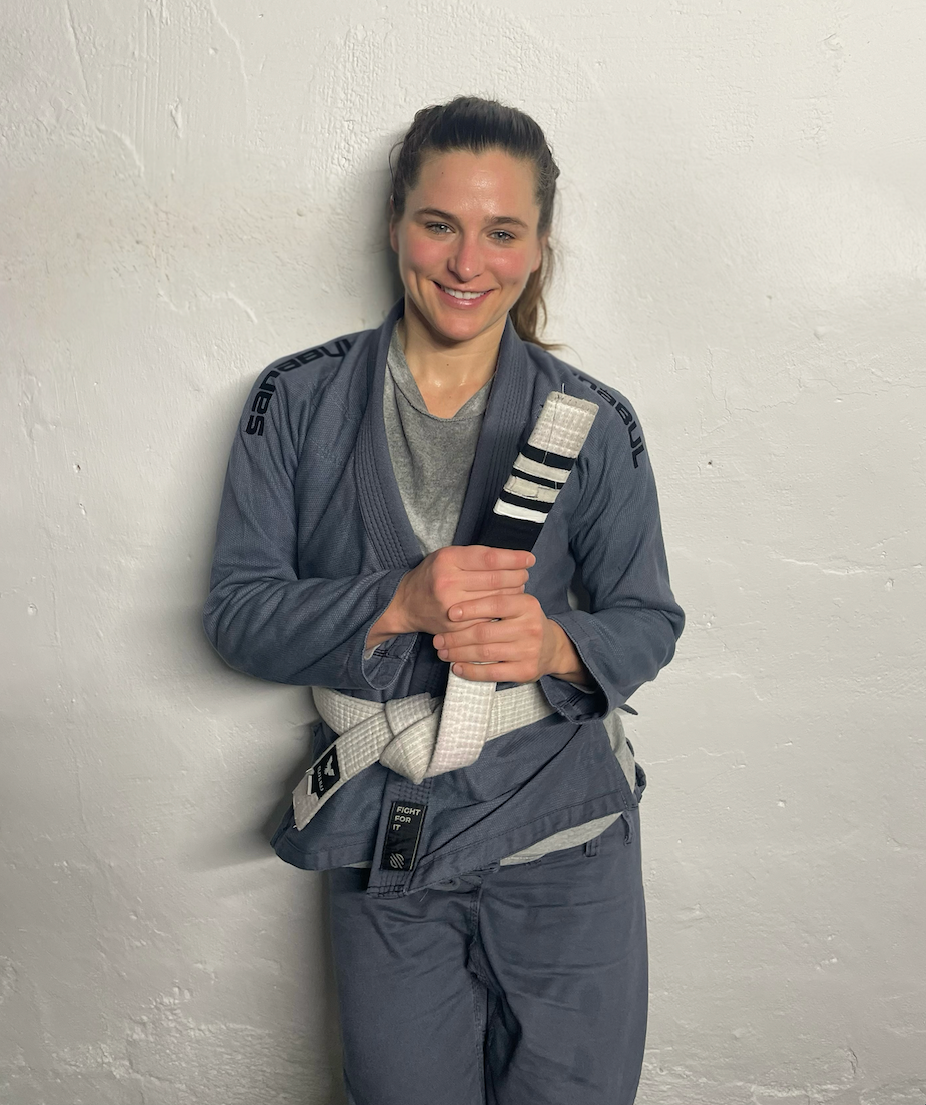
After a year of dedicating myself to jiu jitsu, it hasn’t necessarily become easier (which is part of what I love about the sport!), but my skills and reaction time have definitely improved. Similar to other martial arts, jiu jitsu uses a belt system (progressing from white to black) to indicate an athlete’s skill level, experience, and time spent training. Within each belt, there’s also four stripes to mark incremental progress. I’m still on my white belt, but I just earned my third stripe and am hoping to have my blue belt (the next level up) by August.
Picking up a new sport is rarely easy, but I continue to remind myself that everyone starts somewhere. I can honestly say that with consistency and a willingness to get comfortable with the uncomfortable, the awkwardness fades and the growth stays.
Find the Perfect Women’s Health Training Program for You


Andi Breitowich is a Chicago-based writer and graduate student at Northwestern Medill. She’s a mass consumer of social media and cares about women’s rights, holistic wellness, and non-stigmatizing reproductive care. As a former collegiate pole vaulter, she has a love for all things fitness and is currently obsessed with Peloton Tread workouts and hot yoga.