Live from the Expo West trade fair in California, US, Nutrition Insight speaks to renowned mycologist and Fungi Perfecti founder Paul Stamets. Featured in the Netflix documentary “Fantastic Fungi,” Stamets spotlights how mycelium’s potential reaches far beyond human immunity, offering a critical defense for bees and livestock against emerging viral threats.
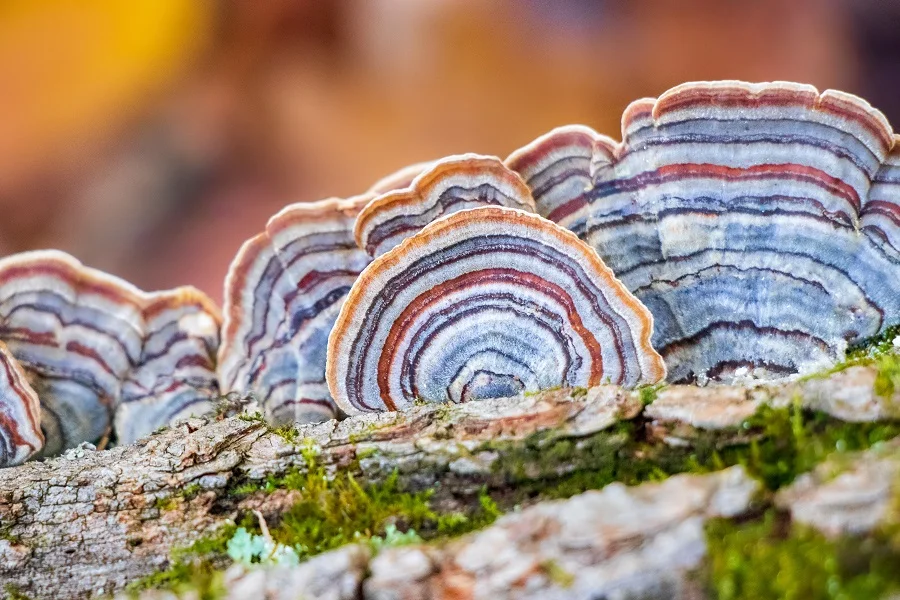
New clinical research has found that a blend of fungal extracts from Fomitopsis officinalis (agarikon) and Trametes versicolor (turkey tail) mushroom mycelia is an effective adjunct supplement that helps reduce side effects from COVID-19 vaccinations. Fungi Perfecti supplied the study with capsules containing the blend, which was cultivated on organic brown rice.
“To the best of my knowledge, this study is the first placebo-controlled, double-blind clinical study ever conducted using a fungal component to enhance the efficacy of vaccines in healthy individuals,” he notes.

“This is really important because this is the first human clinical trial evaluating a fungal-derived natural product in this research context, demonstrating that it can reduce the deleterious effects associated with vaccines while extending innate immunity.”
An adjunct to COVID-19 vaccination
The trial, published in BMC Immunology, enrolled 90 participants in a randomized study and evaluated the safety, tolerability, and immune-related outcomes of the mycelium blend when used alongside routine COVID-19 vaccination.
“What was surprising to us all is that six months after taking agaricon and turkey tail mycelium for four days, 89 out of the 90 participants came back with a two-to-three-fold rise in antibodies that continued when the vaccines were attenuated.”
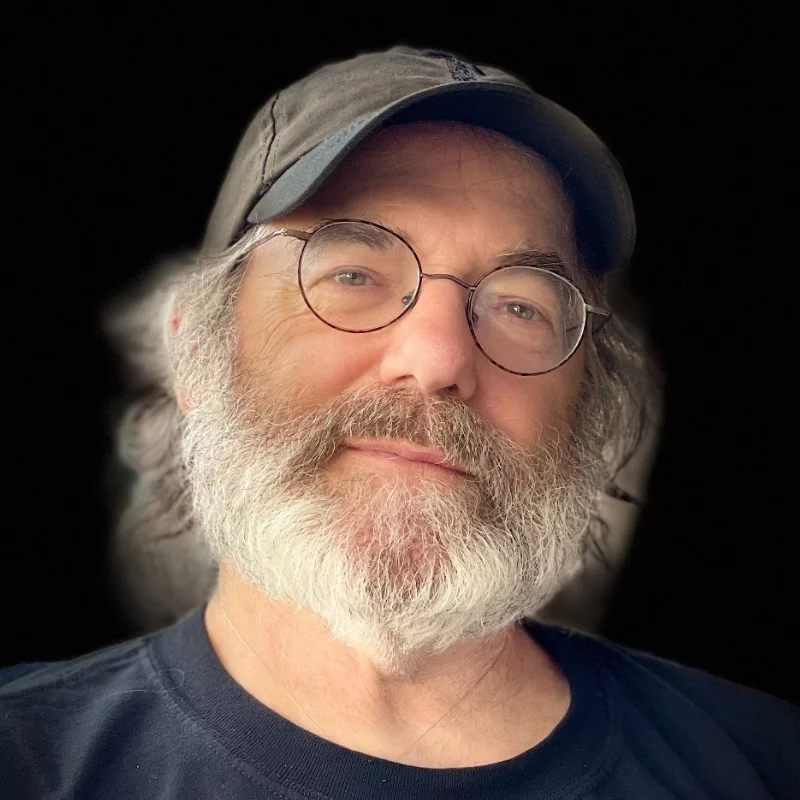 Paul Stamets, renowned mycologist and founder and CEO of Fungi Perfecti (Image credit: Paul Stamets).Among participants without prior SARS-CoV-2 exposure, researchers observed differences in antibody-related measurements between the mushroom-supplement and the placebo group.
Regarding immune responses and participant-reported tolerability, participants in the vaccinated mushroom group had fewer transient effects than those in the placebo group.
Planetary immunological network
Reflecting on the broader implications of this study, Stamets frames the world’s fungal mycelium — the underground root-like network of mushrooms — as a foundational “immunological network” for the entire planet.
He believes the same biological defenses fungi use to protect ecosystems might be critical to solving some of the most pressing biosecurity threats in the modern world.
“What I’ve come to realize is that the mycelium is the immune system of the ecosystem,” he illustrates. Beyond metaphor, recent research published in Scientific Reports has demonstrated that extracts from reishi mushroom mycelium significantly reduced viral loads in honeybees.
Stammets notes bees are currently facing a “bee apocalypse” driven by viral pandemics vectored by Varroa mites, with some US regions losing 50–100% of their hives. “We were able to reduce viruses that were killing thousands of bees at a time with one treatment in 12 days,” he explains.
This “entourage effect” that activates bees’ innate immunity without conventional medicine could have massive implications for food biosecurity.
“The colony collapse in the US poses one of the biggest threats to food biosecurity,” Stamets illustrates. “One bee pollinates 1,000 flowers a day that produce almonds, cherries, berries, and apples.”
Stamets cites published research suggesting this strategy isn’t limited to insects. Mycelial extracts could help prevent the spread of Bird Flu, which has begun spreading from birds to swine, cattle, and even large cats. “Spanning from bees to birds, swine, and cougars, the idea that the mycelium could be the immune system of nature is increasingly making a lot of sense.”
Innovation and quality control challenges
As industrial advances in mushroom supplements come to fruition, one emergent trend among high-end mushroom supplement brands is the use of “super grain” substrates — such as purple corn or sprouted quinoa — to boost the antioxidant profile of cultivated fungi ingredients.
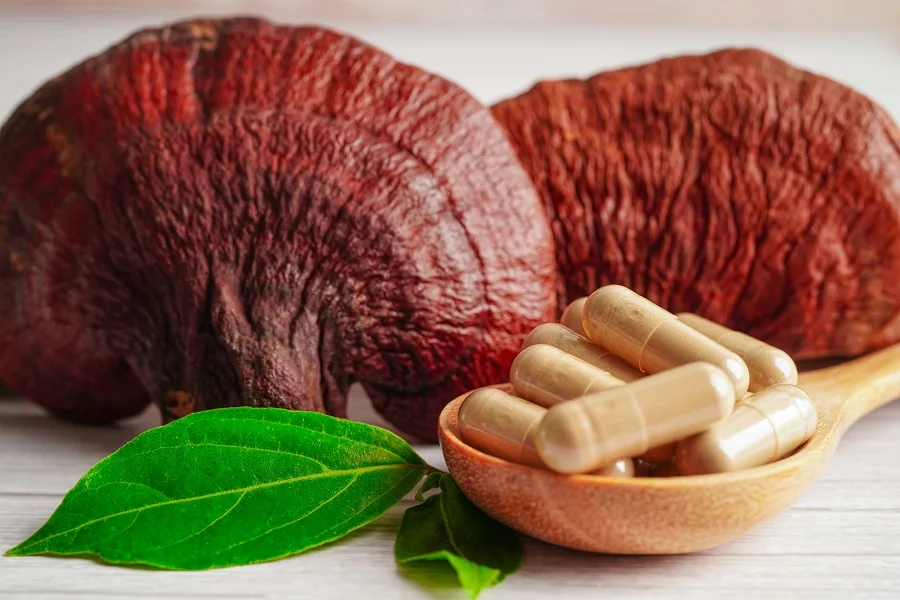 Looking toward innovation in the next decade, Stamets says the focus is shifting from the mushroom fruiting bodies to the mycelium itself.Commenting on this trend, Stamets urges producers of these variants to exercise caution, especially during large-scale cultivation operations using these new substrates. The biggest challenge is maintaining visual quality control to ensure complete product safety.
“Typically, the mycelium is a whitish color, and we grow it on rice,” he notes. “Green and black molds are very easily seen on a white substrate. You can’t easily see them on purple corn.”
This lack of visual contrast could allow contaminants like Aspergillus or Penicillium — which produce dangerous aflatoxins — to bloom undetected. “If you can’t nip it in the bud at the very beginning, you could actually be introducing toxins. That can have a dramatically negative effect on human health,” he stresses.
Looking toward innovation in the next decade, Stamets says the industry focus is shifting from the mushroom fruiting bodies to the mycelium itself. While mushrooms are designed to rot quickly to distribute spores, Stamets describes the mycelium as a “wellspring of novel constituents” and a “deep reservoir of discovery.”
However, he warns against getting lost in “the wormhole of one active constituent,” as there are times when reseachers or brands attribute health benefits to a single compound without considering mushrooms’ diverse biochemical matrix.
“Our ancestors have methodically gone through plants and mushrooms to find which ones are beneficial. Much of the folkloric reputation of mushrooms has turned out to be true,” he concedes.
“But we have to be critical thinkers. Just because it was done in the past doesn’t mean it’s the best way of doing it now. Question authority: Where are the clinical studies? Where are the peer-reviewed articles?”