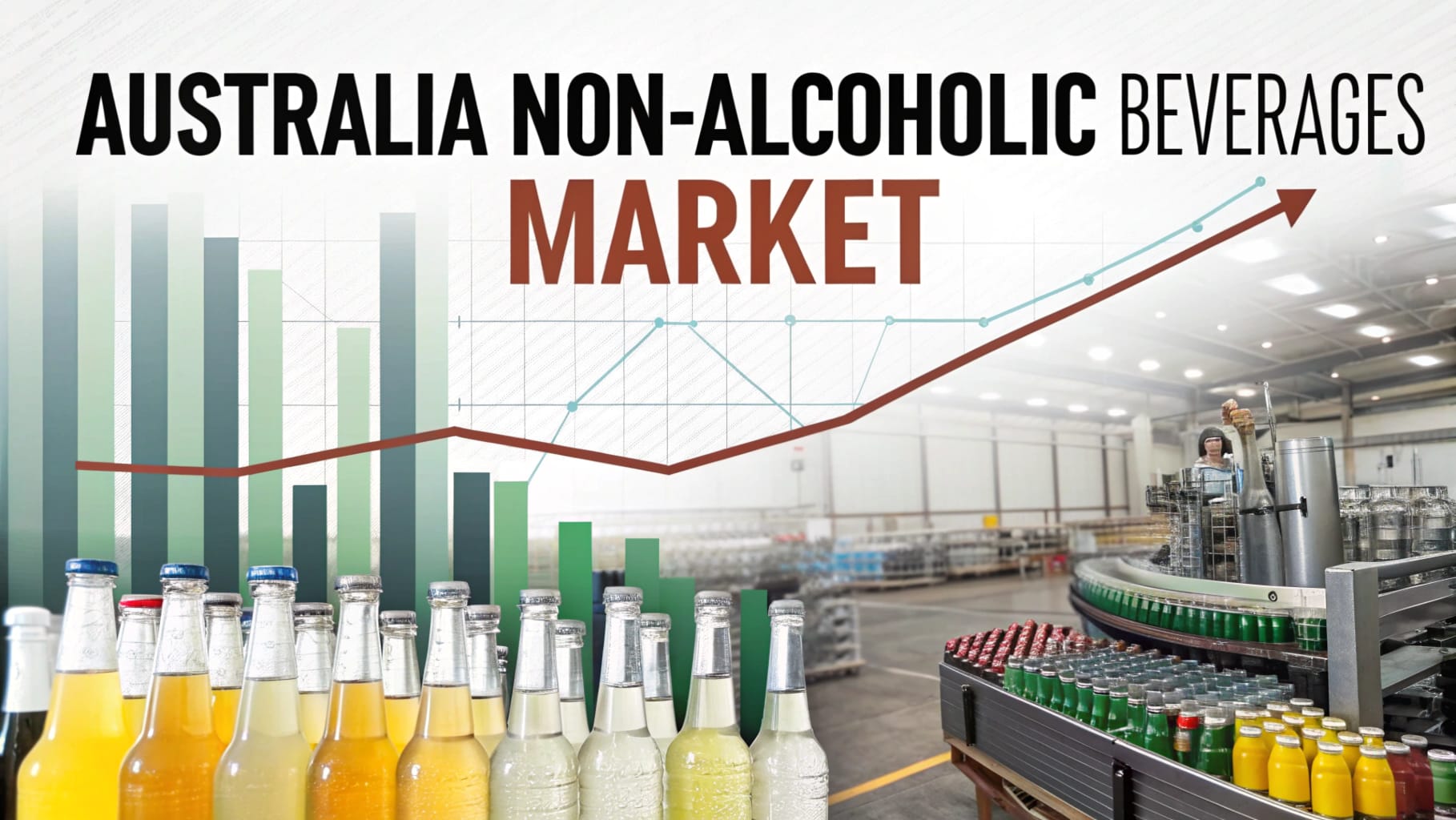
The Australia non-alcoholic beverages market is experiencing strong growth as consumers increasingly prioritize healthier drink choices and innovative beverage experiences. According to IMARC Group, the market reached USD 28.86 Billion in 2025 and is expected to grow to USD 48.01 Billion by 2034, expanding at a compound annual growth rate (CAGR) of 5.82% during 2026–2034.
Non-alcoholic beverages encompass a wide range of products including carbonated soft drinks, juices, bottled water, energy drinks, ready-to-drink tea and coffee, and other functional beverages. As lifestyles evolve and consumers seek healthier hydration options, beverage manufacturers are responding with new formulations that emphasize reduced sugar, natural ingredients, and added nutritional benefits.
Australia’s vibrant food culture, warm climate, and active lifestyle also support consistent demand for refreshing beverages. At the same time, consumers are becoming more conscious about sustainability and ingredient transparency, encouraging companies to adopt eco-friendly packaging and cleaner product labels.
Evaluate Market Potential Before You Invest – Get the Report Sample
Market Segmentation
The Australia non-alcoholic beverages market is segmented by:
Product Type
• Carbonated Soft Drinks
• Juices
• Bottled Water
• Sports and Energy Drinks
• RTD Tea and Coffee
• Others
Packaging Type
• Bottles
• Cans
• Cartons
• Others
Distribution Channel
• Retail
• Food Service
• Supermarkets and Hypermarkets
• Online Stores
• Others
Region
• Australia Capital Territory & New South Wales
• Victoria & Tasmania
• Queensland
• Northern Territory & Southern Australia
• Western Australia
Among these segments, carbonated soft drinks held the largest share at around 32% in 2025, while bottles dominated packaging formats due to convenience and portability.
Why the Market Is Growing So Rapidly
Rising Health Consciousness
One of the most important drivers behind the growth of Australia’s non-alcoholic beverages market is increasing health awareness among consumers. People are becoming more mindful about sugar consumption and overall dietary habits.
This shift has boosted demand for beverages that offer functional benefits such as hydration, immunity support, digestive health, and energy enhancement. As a result, low-sugar drinks, natural juices, and fortified beverages are gaining strong traction across the country.
Growing Demand for Functional Beverages
Functional beverages are becoming one of the most exciting segments within the industry. These drinks contain ingredients such as probiotics, electrolytes, vitamins, antioxidants, and plant-based extracts that provide additional health benefits.
Products like kombucha, electrolyte drinks, and fortified hydration beverages are increasingly popular among health-focused consumers and fitness enthusiasts. This trend reflects a broader shift toward beverages that deliver both refreshment and nutritional value.
Innovation in Flavors and Product Formats
Innovation is another key growth engine in the Australian beverage market. Manufacturers are constantly experimenting with new flavors, natural ingredients, and unique beverage formats to attract consumers seeking novelty and variety.
Limited-edition drinks, artisanal sodas, plant-based beverages, and premium sparkling waters are expanding the choices available to consumers. These innovations help brands differentiate themselves in a highly competitive market.
Sustainability and Eco-Friendly Packaging
Environmental sustainability is increasingly influencing purchasing decisions. Consumers are paying closer attention to packaging materials, carbon footprints, and sourcing practices.
Beverage companies are responding by introducing recyclable packaging, reducing plastic usage, and implementing carbon-neutral production strategies. Sustainable packaging initiatives have become an important competitive advantage for many beverage brands.
Expanding Digital and Retail Distribution
The growth of e-commerce platforms and digital retail channels has made it easier for consumers to access a wide variety of beverages. Online grocery services, subscription beverage models, and direct-to-consumer brands are expanding distribution opportunities.
Traditional retail channels such as supermarkets and convenience stores continue to play a major role as well, offering strong visibility and promotional opportunities for beverage brands.
What the Opportunities Are
1. Functional and Wellness Beverages
Drinks infused with probiotics, vitamins, and plant-based ingredients are becoming increasingly popular among health-focused consumers.
2. Premium and Craft Beverage Brands
Consumers are showing greater interest in artisanal drinks, specialty sodas, and premium non-alcoholic alternatives.
3. Plant-Based Beverage Innovation
Plant-derived ingredients and botanical extracts provide opportunities for unique beverage formulations.
4. Sustainable Packaging Solutions
Companies investing in recyclable and eco-friendly packaging technologies can gain significant brand loyalty among environmentally conscious consumers.
5. Direct-to-Consumer Beverage Startups
Digital commerce allows emerging beverage brands to reach customers directly without relying solely on traditional retail distribution.
6. Hydration and Sports Nutrition Drinks
Sports beverages, electrolyte drinks, and hydration products are seeing rising demand due to Australia’s active lifestyle culture.
7. Alcohol-Free Social Drinking Alternatives
The growing “sober curious” movement is encouraging demand for sophisticated non-alcoholic alternatives designed for social occasions.
Recent News & Developments in Australia Non-Alcoholic Beverages Market
• March 2025: Beverage manufacturer Bundaberg Brewed Drinks introduced a new “Refreshingly Light” beverage range across Australia and New Zealand. The low-sugar lineup includes flavors such as Raspberry & Pomegranate and Lemon & Watermelon, each containing around 20 calories per 250ml can. The launch reflects growing consumer demand for healthier beverage options with reduced sugar content.
• April 2025: Global recognition for alcohol-free beverages increased as the World Alcohol-Free Awards reported a 30% rise in entries, with nearly 600 non-alcoholic beverages from more than 30 countries participating. The growing international spotlight highlights strong momentum in the alcohol-free beverage category and signals expanding opportunities for Australian brands in global markets.
• October 2025: Australian beverage brand Jim launched the country’s first functional soda containing 5 grams of protein, prebiotics, and BCAAs per can. The product quickly expanded into over 100 wellness centers and health-focused retail outlets, reflecting strong consumer interest in functional beverages that combine hydration with nutritional benefits.
Why Should You Know About the Australia Non-Alcoholic Beverages Market?
The Australia non-alcoholic beverages market represents a powerful intersection of health trends, consumer innovation, and sustainable business practices. With the market expected to grow from USD 28.86 Billion in 2025 to USD 48.01 Billion by 2034, the industry offers substantial long-term opportunities for manufacturers, investors, and retailers.
Companies that focus on healthier formulations, functional ingredients, and environmentally responsible packaging are likely to capture the most value in the coming years. Meanwhile, the rise of digital retail channels and premium beverage experiences will continue reshaping how consumers discover and purchase drinks.
For investors and entrepreneurs, the sector offers an exciting platform for innovation—from functional hydration drinks and plant-based beverages to alcohol-free lifestyle alternatives. As wellness culture continues to shape consumer preferences, Australia’s non-alcoholic beverage market is poised to remain one of the most dynamic segments of the broader food and beverage industry.