If you have type 1 or type 2 diabetes, you’ve probably heard a lot of conflicting advice about the best way to eat. And it certainly doesn’t help when your family, acquaintances, and even social media bombard you with their own tips and warnings.
The doctors, nutritionists, and educators who treat diabetes have heard it all — and they can help you debunk the top diabetes nutrition myths and parse fact from fiction.
1. Sugar-Free Foods Don’t Spike Blood SugarIf you’re trying to avoid sugar, it may make sense to reach for sugar-free versions of certain foods instead. Foods labeled “sugar-free” contain a maximum of 0.5 grams (g) of sugar per serving.
[1]
But a sugar-free food doesn’t necessarily lack carbohydrates.
[2]
“Sugar-free foods may not have added sugars, but they may still have other forms of carbohydrates that may increase blood sugar,” says Deena Adimoolam, MD, a New York City–based spokesperson for the Endocrine Society.
And while sugar-free artificial sweeteners probably won’t spike your blood sugar, their long-term health impact on people with diabetes remains an area of ongoing research.
[1]
[3]
2. A Gluten-Free Diet Is HealthierGluten is a protein present in certain grains, such as wheat.
[4]
People with type 1 diabetes are at a higher risk for celiac disease, an autoimmune condition in which eating gluten can lead to intestinal damage.
[5]
For people with celiac disease, following a gluten-free diet is critical.
[6]
But going gluten-free isn’t necessarily a healthier option for everyone else. Gluten-free doesn’t mean carbohydrate-free, since gluten-free products often contain ingredients like corn or rice instead of wheat or other sources of gluten. They may even have more sugar than the original, gluten-containing versions.
[7]
“Many gluten-free foods have carbohydrates and can still raise blood sugar,” says Dr. Adimoolam.
3. You Need a Special Diet
“While diet plays an important role in diabetes management, there isn’t one eating pattern for diabetes management,” says Toby Smithson, RDN, CDCES, a certified diabetes care and education specialist in South Carolina and the senior manager of nutrition and wellness at the American Diabetes Association. “There are several eating pattern options to fit with people’s individual needs.”
While plenty of evidence suggests that eating patterns like the Mediterranean diet or the Dietary Approaches to Stop Hypertension (DASH) diet are good for people with diabetes, you don’t need to follow a trend or adhere to a strict eating structure as long as you’re consistently prioritizing healthy foods like nonstarchy vegetables and lean protein sources.
[9]
Meal plans should also consider carbohydrates and how they affect blood sugar.
[10]
Your diet should fit your lifestyle, not the other way around. “The eating plan should consider cultural backgrounds, personal preferences, other health conditions they may have, and elements like costs of food, living situations, and access to healthy foods,” says Smithson.
4. Fruit Is Bad for You
Smithson says it’s a common myth that people with diabetes shouldn’t eat fruit because it has too much sugar. In truth, fruit is a source of quality carbohydrates that’s also rich in vitamins and other nutrients, she says.
“Fruit is an important part of our diet for essential vitamins and antioxidants,” says Adimoolam. One meta-analysis even suggests that eating fruit could have a positive impact on fasting blood sugar.
[11]
Smithson advises choosing fruits that are higher in fiber, like raspberries, blackberries, pears, or kiwi. Adimoolam says people with diabetes can incorporate fruit into their diet and soften blood sugar spikes by pairing it with a healthy fat or protein source.
5. You Have to Cut Carbs
“It’s true that foods high in carbohydrates have the biggest impact on blood glucose (blood sugar) compared with foods high in protein and fat,” says Smithson. “[But] carbs offer an important fuel source for your body and brain. Also, many quality carbs [serve as] a source of fiber, which is helpful with gut health and blunts rises in blood glucose post-meal.”
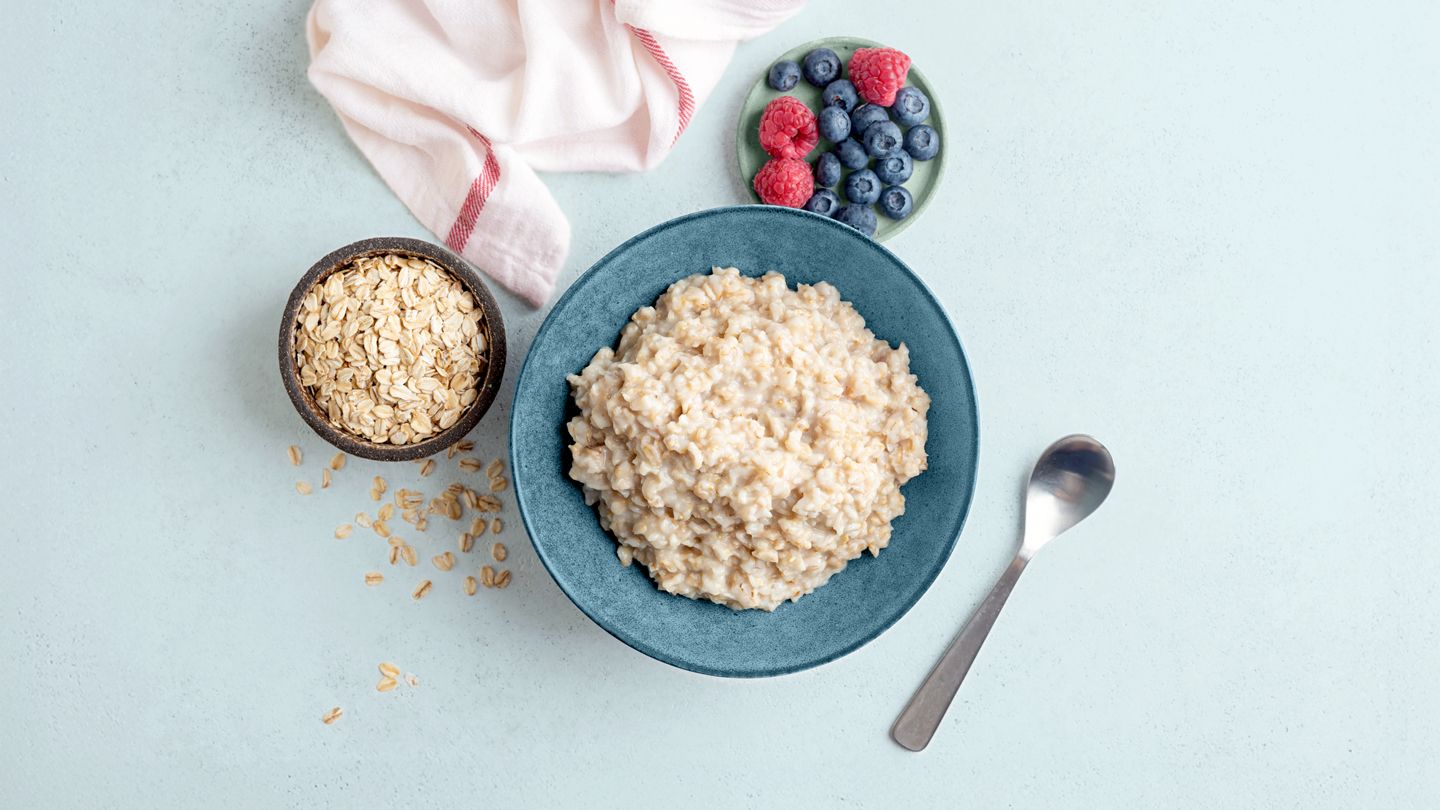
When making carbohydrate choices, consider whole grain options and maximize your fiber intake.
[13]
[9]
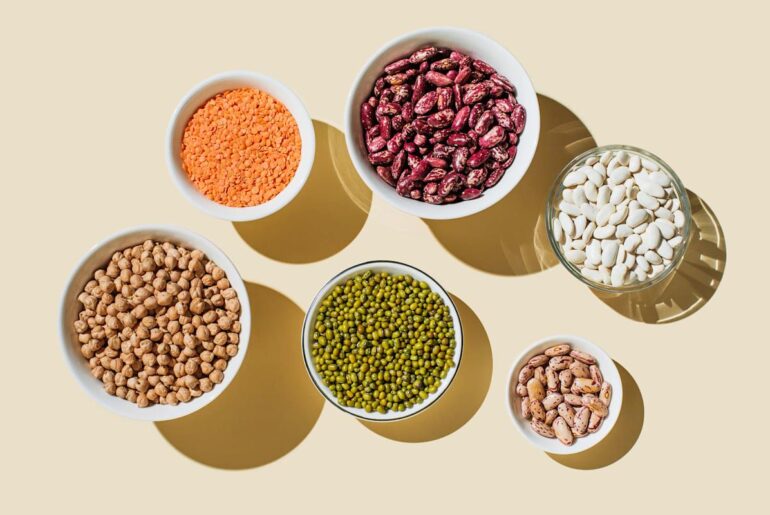
“Quality carbs are those in vegetables, beans, lentils, fruit, milk, yogurt, and whole grains,” says Smithson. “They break down slowly and have key nutrients like fiber, protein, vitamins, and minerals.”
Adimoolam says people with diabetes also need to understand how certain carbohydrates impact their blood sugar. “Learn how to balance simple and complex carbohydrates to avoid blood sugar spikes,” she adds.
6. Sugar Is the Most Important Ingredient to ConsiderSugar is a major carbohydrate source, but it’s not the only one.
[2]
“Sugar is a carbohydrate component,” says Smithson. “It’s more accurate to say people with diabetes need to manage their intake of total grams of carbohydrates.” So when you’re perusing nutrition labels at the grocery store, look at total carbohydrates (or net carbs) as well as sugar content.
All diabetes experts, of course, recommend minimizing your intake of sugar, especially added sugar, which is highly refined and lacks the nutritional value of natural sugars found in fruits or dairy products.
[9]
But if you’re paying attention to your blood sugar levels, you may notice that a carb-heavy food like white pasta or white bread spikes your blood sugar just as quickly as a sugary one.
[14]
“I recommend that my patients with diabetes learn where sugars are in their diet, how these various sugars impact their blood sugar, and how to pair sugar with other foods to stabilize blood sugar better,” says Adimoolam.
7. Brown Sugar and Honey Don’t Raise Blood SugarIt may be tempting to see brown sugar or honey as alternatives to white sugar. But they will still raise your blood sugar quickly.
[15]
“Brown sugar will still spike your blood sugar,” says Adimoolam. “A teaspoon of brown sugar has a similar carbohydrate amount to white sugar.”
Be equally cautious with supposedly healthier sugars such as maple syrup, coconut sugar, and agave syrup. These alternatives may seem more natural or healthy than refined white sugar, but that doesn’t necessarily mean they’re any better for blood sugar management.
There may be secondary benefits to eating natural sugars. Honey, for example, provides antioxidants and may help decrease inflammation in the body.
[16]
But each tablespoon contains 17 g of carbohydrates.
[16]
8. Intermittent Fasting Is Always Great for People With DiabetesIntermittent fasting alternates restricted windows for food consumption with periods of fasting, with lots of timing variations to consider.
[17]
This method may benefit people with diabetes by supporting weight loss and blood sugar management efforts, but it’s not foolproof.
[18]
“Intermittent fasting may help some people with diabetes with blood sugar control, but it isn’t for everyone,” says Adimoolam. “If [one’s] average carb intake throughout the day doesn’t change with intermittent fasting, then it may not help with glucose control.”
People with diabetes who want to try intermittent fasting should work with their doctors or a registered dietitian-nutritionist and monitor their blood sugar carefully. They may need to adjust their intermittent fasting plans based on their blood sugar levels. People with type 1 diabetes should be particularly cautious when fasting because of the risk of low blood sugar.
[18]
9. ‘Diabetes-Friendly’ Foods Are HealthierSometimes foods are marketed as “diabetes-friendly.”
[19]
While it may be tempting to assume these options are preferable to other choices not labeled as such, the U.S. Food and Drug Administration doesn’t regulate this label.
[19]
That means that foods with these labels may not have evidence to support their claims.
[20]
“[Foods labeled ‘diabetes friendly’] may not always be healthy and may still have carbohydrates,” says Adimoolam. “Many of these items are processed with many additives.”
Instead of relying on these labels, it’s better to look closely at a food’s nutrition facts and ingredients list.
[21]
The TakeawayFoods labeled “sugar-free,” “gluten-free,” or “diabetes-friendly” can still cause blood sugar spikes because they often contain high amounts of other carbohydrates.Carbs aren’t all off-limits: whole grains, legumes, vegetables, and fruit provide essential nutrients and fiber that can improve your long-term diabetes health.Refined sugar alternatives like honey, brown sugar, and agave syrup are still forms of sugar that contain similar carbohydrate counts to white sugar, thereby impacting blood glucose levels in a similar way.There’s no single diabetes diet, and while trends like intermittent fasting or Mediterranean eating can help provide structure or inspiration, your meal plans should be customized based on your culture, preferences, budget, and health goals.