by JENN WOOD
***
Two-and-a-half years after a deadly roadside confrontation in rural Horry County, South Carolina, both men who shot and killed a 33-year-old North Carolina insurance adjuster have lost their bids for civil immunity.
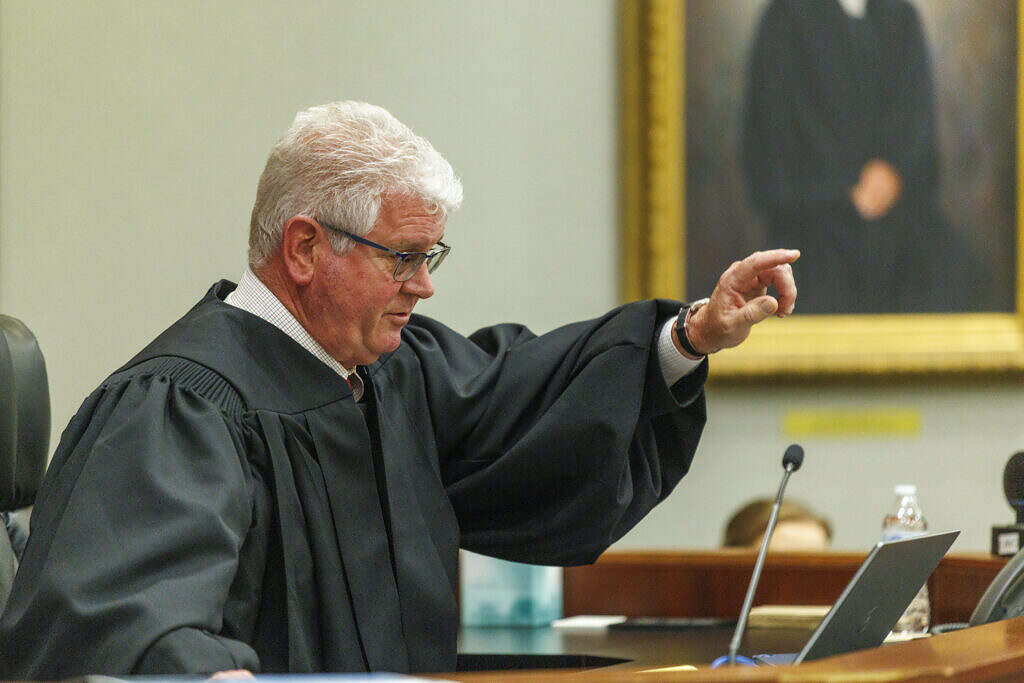
In a detailed 19-page order (.pdf) released late last week, S.C. circuit court judge Eugene C. Griffith, Jr. denied immunity to Kenneth Bradley Williams, finding he failed to prove his actions during the shooting of Scott Spivey in September 2023 were protected under South Carolina’s ‘Stand Your Ground’ law.
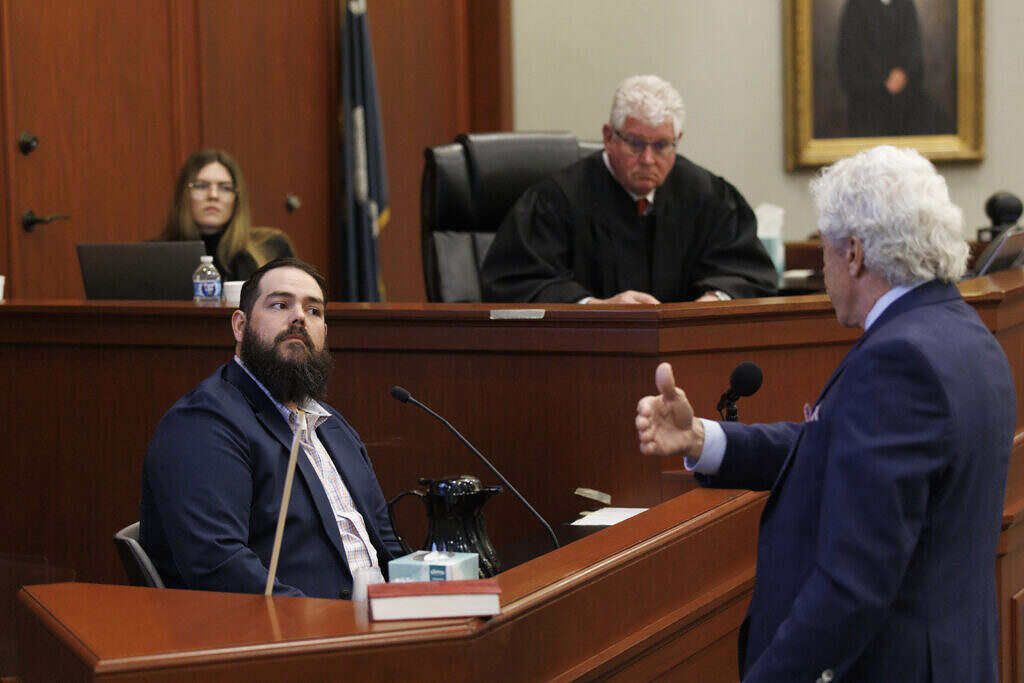
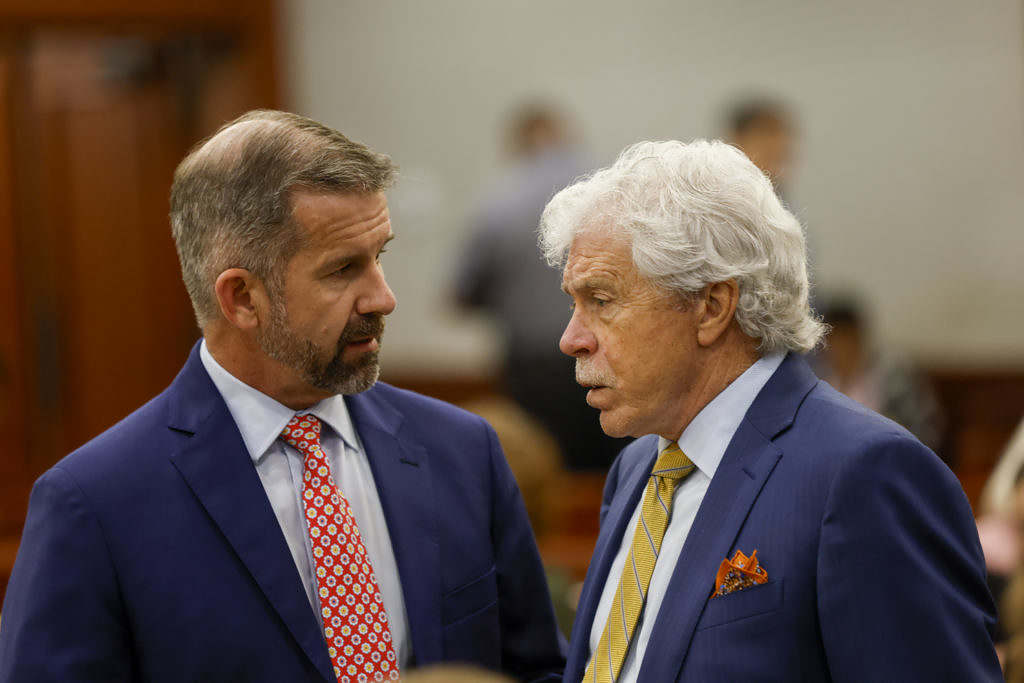
Griffith’s ruling followed a four-day immunity hearing in February examining whether Williams and his co-defendant, Charles Weldon Boyd, acted in lawful self-defense when they opened fire on Spivey following a volatile highway pursuit that began on Highway 9 and ended on Camp Swamp Road.
Griffin previously ruled from the bench that Boyd’s bid for immunity had been denied – but waited to deny Williams’ bid until he had reviewed the evidence further.
The rulings against Boyd and Williams do not adjudicate the cases against them, they merely mean civil proceedings against both men are permitted to move forward.
A wrongful death lawsuit was filed against Boyd and Williams by Spivey’s estate after prosecutors declined to charge them criminally – concluding their actions fell under South Carolina’s Protection of Persons and Property Act, a.k.a. its ‘Stand Your Ground’ law. But unlike the earlier charging review — which asked whether the state could affirmatively disprove self-defense beyond a reasonable doubt — this hearing required Boyd and Williams to affirmatively prove, by a preponderance of the evidence, that they should not be held civilly liable.
Griffith concluded neither man met that burden.
***
DEFENDANTS PURSUED — DID NOT WITHDRAW
At the center of Griffith’s ruling was a fundamental factual finding that Boyd and Williams were not merely reacting to danger — they were pursuing it.
According to the order, after Spivey allegedly displayed a handgun and engaged in aggressive driving on Highway 9, Boyd and Williams continued to follow him for anywhere between five and nine miles at speeds exceeding 100 miles per hour. Williams admitted during testimony that nothing prevented them from ending the pursuit. He also acknowledged Boyd was angry after Spivey forced their truck into the median.
The court found it especially significant that when Spivey turned onto Camp Swamp Road — away from Boyd’s stated destination in Loris — the truck driven by Boyd followed him anyway.
At that point, Griffith wrote, Spivey had stopped – and no longer posed an immediate driving threat. Yet Boyd continued to drive toward him.
The order further noted Boyd could be heard on the 911 recording saying they were about to have a “shootout” – and that he intended to continue following Spivey.
For Griffith, that language undercut any claim that what followed was purely defensive.
***
RELATED | JUDGE DENIES ‘STAND YOUR GROUND’ IMMUNITY
***
COURT REJECTS DEFENSE’S VERSION OF EVENTS
The defense maintained throughout the hearing that Spivey exited his truck, advanced aggressively and fired first.
Griffith explicitly rejected that version.
His order concluded Boyd had already drawn his handgun and pointed it toward Spivey when Spivey exited his truck. It further concluded Spivey was standing near his own vehicle — not advancing into the roadway — when Boyd began firing.
The judge found the bullet trajectory particularly important. The fatal round entered near Spivey’s right armpit and traveled across his torso in a path Griffith found more consistent with retreat than forward movement.
That finding aligned with testimony from plaintiffs’ experts who argued the wound pattern did not support the defense’s claim that Spivey was advancing in an aggressive firing stance.
***
WHY FRANK MCMURROUGH MATTERED
The account of eyewitness Frank McMurrough emerged as one of the most important components of the court’s analysis.
Griffith repeatedly cited McMurrough’s testimony that Spivey exited his truck with his weapon down by his side, that the slide on the weapon appeared locked back and that Spivey never advanced away from the truck.
The judge also credited McMurrough’s account that Boyd was already aiming through his windshield before shots erupted.
This testimony directly conflicted with accounts from both Boyd and Williams, whose nearly identical descriptions of what transpired were found by Griffith to be lacking in credibility.
The court also noted Williams made an “unguarded” admission during cross-examination — acknowledging he was unaware of McMurrough’s position when describing Spivey allegedly stepping into the roadway.
That concession weakened the defense claim that Spivey had moved into the lane where McMurrough’s truck was traveling.
***
RELATED | ‘STAND YOUR GROUND’ SHOWDOWN: KEY WITNESS ACCOUNTS SHIFT
***
AUDIO EVIDENCE UNDERMINED BOTH DEFENDANTS
The 911 recording – and secret phone recordings by Boyd which later became public – were central to the order. Griffith pointed to Boyd’s own words during the pursuit:
“He’s trying to run from me now.”
“I’m just going to stay with him.”
“We have our guns out too.”
“If he keeps this up I am going to put him down.”
The court found those statements showed both men had armed themselves while actively pursuing Spivey — before the final roadside confrontation occurred. The judge also relied heavily on audio forensics testimony showing no evidence that Spivey fired before Boyd.
That directly contradicted the defense version that Boyd dropped his phone, drew his gun and responded only after hearing Spivey fire first.
***
POST-SHOOTING CALLS BECAME PART OF THE COURT’S DECISION
Perhaps the most damaging portion of the order concerns Boyd’s conduct after the shooting.
Griffith cited recorded phone calls in which Boyd described chasing Spivey, laughed about the killing, talking about showing off bullet holes in his windshield and joking with Williams about getting teardrop tattoos.
The court also noted Boyd instructed Williams to delete communications and conceal how they had been communicating. Williams admitted complying with those instructions.
Griffith opined such conduct demonstrated consciousness of guilt – and contradicted any claim of innocent self-defense.
***
WHAT HAPPENS NEXT
Williams’ immunity denial means he (like Boyd) remains exposed to civil liability in the wrongful death lawsuit brought by Spivey’s estate.
A separate order addressing Boyd was issued independently, but Griffith’s factual findings make clear the court viewed both defendants as active participants in the escalation that led to Spivey’s death.
The case now moves deeper into civil litigation — with this order likely shaping every phase that follows.
Because although South Carolina’s immunity statute removes liability when force is justified, Griffith found that protection does not extend to defendants who helped create the confrontation they later claim required deadly force.
***
THE ORDER…
(S.C. Fifteenth Judicial Circuit)
***
ABOUT THE AUTHOR …
 Jenn Wood (Provided)
As a private investigator turned journalist, Jenn Wood brings a unique skill set to FITSNews as its research director. Known for her meticulous sourcing and victim-centered approach, she helps shape the newsroom’s most complex investigative stories while producing the FITSFiles and Cheer Incorporated podcasts. Jenn lives in South Carolina with her family, where her work continues to spotlight truth, accountability, and justice.
***
WANNA SOUND OFF?
Got something you’d like to say in response to one of our articles? Or an issue you’d like to address proactively? We have an open microphone policy! Submit your letter to the editor (or guest column) via email HERE. Got a tip for a story? CLICK HERE. Got a technical question or a glitch to report? CLICK HERE.