Key Takeaways
Because wild blueberries are smaller, they contain higher levels of anthocyanins and other polyphenols than cultivated blueberries.Research suggests wild blueberries can help support blood vessel function and may benefit heart, brain, metabolic, and gut health.Often sold frozen, wild blueberries are available year-round and can be added to smoothies, yogurt, oatmeal, salads, and desserts.
It’s no secret that blueberries are a great source of antioxidants and other nutrients, and make a healthy and delicious snack any time of the day. But that’s only the beginning. Now, a recent study has found that blueberries—or more specifically, wild blueberries—can help improve blood vessel function and support heart, metabolic, gut, and brain health.
But this doesn’t mean that you’ll have to wait until blueberries are in season, and then go out and pick your own: wild blueberries are typically sold frozen, and are readily available at most grocery stores. Here’s what to know about these nutritional powerhouses, including the difference between regular blueberries and wild blueberries, and how to incorporate wild blueberries into your diet.
How Do Wild Blueberries Differ From Cultivated Blueberries?
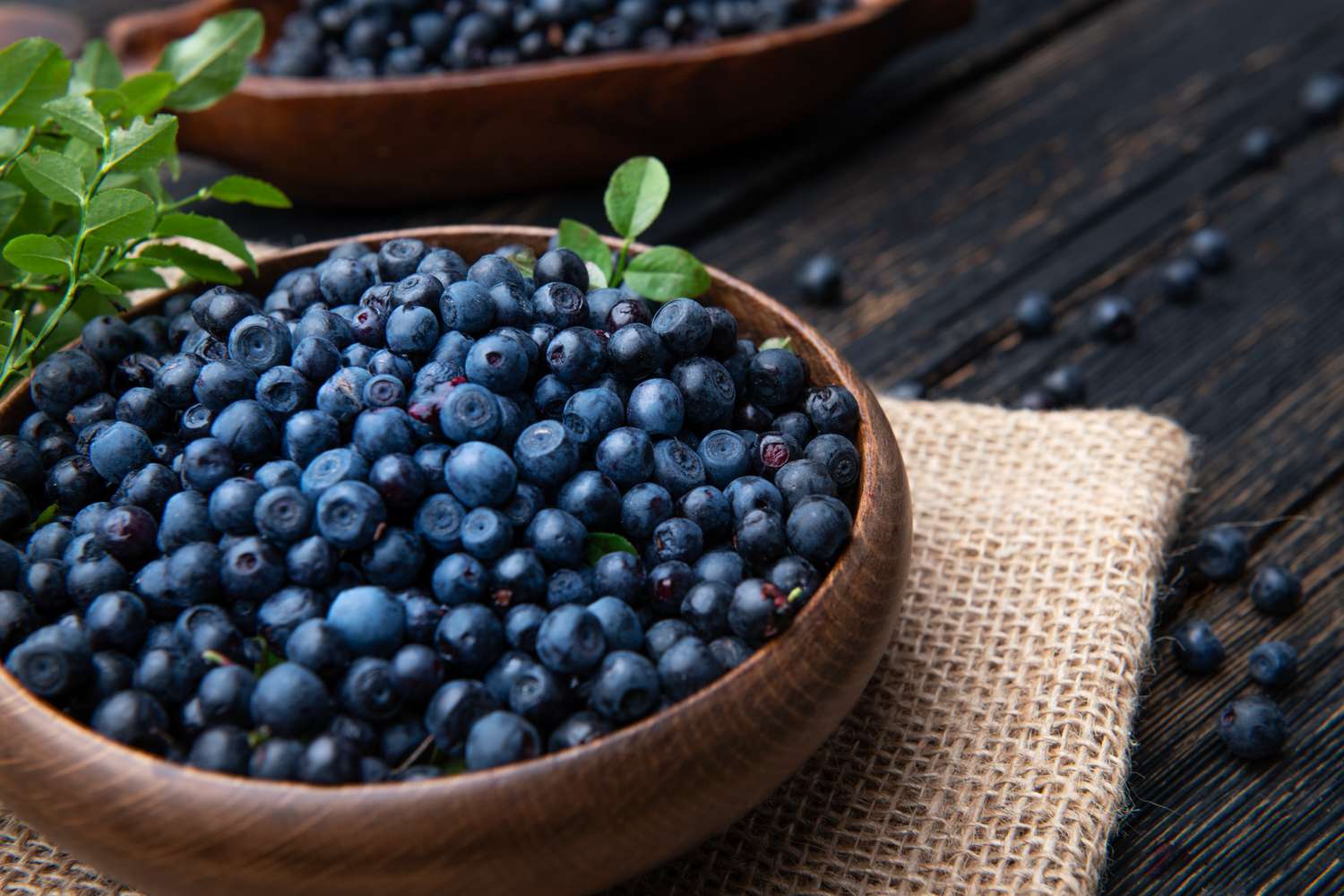
Let’s start with the basics. Wild blueberries are smaller and have a more complex, bold, and tangy flavor compared to cultivated blueberries—which are larger, milder, slightly watery, and a little sweeter, says Elizabeth Huggins, RDN, LD, registered dietitian nutritionist at Hilton Head Health Wellness Resort & Spa.
Because wild blueberries are smaller, it means they have a higher skin-to-flesh ratio, says Lindsay Malone, RD, registered dietitian and instructor of nutrition at the Case Western Reserve University’s School of Medicine. “Most of the polyphenols live in the skin, so you get more antioxidants per bite,” she says.
But what makes wild blueberries stand out is their impressive nutritional profile, which is largely a result of their unique growing conditions, says Tricia Scott-Sahler, RDN, an oncology dietitian at Hackensack Meridian John Theurer Cancer Center. “Unlike cultivated blueberries, which are planted and grown in rows, wild blueberries grow in harsh northern climates and have adapted to thrive in thin, acidic soils,” she says. “This resilience has led to some remarkable nutritional advantages.”
The most significant difference lies in their antioxidant content. “Wild blueberries have a higher concentration of a specific type of antioxidant called anthocyanins, which are the pigments that give them their deep blue color,” Scott-Sahler says. “In fact, they can have up to twice the antioxidant capacity of regular blueberries.” These antioxidants are vital for protecting our cells from damage caused by free radicals, which can contribute to aging and various diseases.
All that said, regular blueberries still provide fiber, vitamins, and polyphenols, and support gut health, Malone says. “I don’t want anyone to think regular blueberries are a bad choice because they are still a top food for brain health, blood pressure, heart health, gut health, etc.,” she says. “Wild blueberries tend to be more concentrated in certain gut-supportive compounds, but both are healthy choices.”
What Are the Health Benefits of Wild Blueberries?
The recent study, published in Critical Reviews in Food Science and Nutrition, found that wild blueberries pack a nutritional punch. “Overall, the research suggests that consuming wild blueberries can support vascular function, particularly by helping blood vessels relax and widen to promote healthy blood flow,” says Sarah A. Johnson, PhD, RDN, associate professor in the department of health, nutrition, and food sciences at Florida State University and lead author of the study. “For other outcomes such as blood pressure, cholesterol, blood glucose (sugar) control, and related metabolic measures, results were mixed across studies, although some findings indicate potential benefits.”
Additionally, the research notes that previous studies in older adults suggest that eating wild blueberries may support certain aspects of cognitive performance, like thinking speed and memory. “Emerging research has explored potential roles for wild blueberries in areas such as cognitive performance, mood, and other aspects of mental well-being, including studies in children and older adults,” Dr. Johnson says. “While these findings are promising, continued research is needed.”
Beyond the new study, there are other known health benefits associated with wild blueberries. “Wild blueberries provide nutrients such as vitamin C, manganese, zinc, and dietary fiber and polyphenols such as anthocyanin, flavonols, and flavan-3-ols that contribute to overall dietary quality,” Dr. Johnson says.
Other research on wild and cultivated blueberries has shown improvements in biomarkers that are associated with increased risk of a variety of diseases involving inflammation, including cardiovascular disease, type 2 diabetes, neurological decline, and poor gut health, Huggins says.
Wild blueberries are especially rich in compounds that support gut health. They are high in polyphenols, particularly anthocyanins, which act as antioxidants and also function as prebiotics by feeding beneficial gut bacteria, Malone explains. “Fiber supports regularity and helps promote production of short-chain fatty acids, which are important for gut barrier health and reducing inflammation,” she says. “From a practical standpoint, I like them because they deliver a lot of phytonutrients for relatively few calories, they are mild tasting and easy to add into smoothies, yogurt, or oatmeal.”
How to Incorporate Wild Blueberries Into Your Diet
Because they mostly come frozen, wild blueberries are available year-round and are easy to add to your diet. “As a registered dietitian, I’ve recommended berries for years,” says Diane Lindsay-Adler, RDN, CDN, assistant professor of pediatrics at New York Medical College. “Consistency matters more than quantity. Even a small daily portion can be helpful.” Here are some ways to eat more wild blueberries.
As a Topping or Addition
Wild blueberries make a great topping for or addition to:
SmoothieYogurtOatmealCottage cheeseCerealChia puddingNut butterPancakesWafflesMuffinsMocktails
Greek Yogurt Parfait
For a quick breakfast or snack, Carlyne Remedios, RD, registered dietitian with JM Nutrition, recommends mixing ½ cup wild blueberries into plain Greek yogurt and adding cinnamon, crushed nuts, and seeds.
Healthier Desserts
Use wild blueberries to make fruit-forward desserts like a crumble with an oatmeal topping, pie, or homemade frozen yogurt, Scott-Sahler suggests.
Trail Mix
Scott-Sahler also suggests making your own trail mix with nuts, seeds, and dried or freeze-dried wild blueberries for a portable, energy-boosting snack.
Add to Salads
According to Remedios, wild blueberries pair beautifully with:
Spinach or arugulaGoat cheese or fetaWalnuts or pecansBalsamic vinaigrette