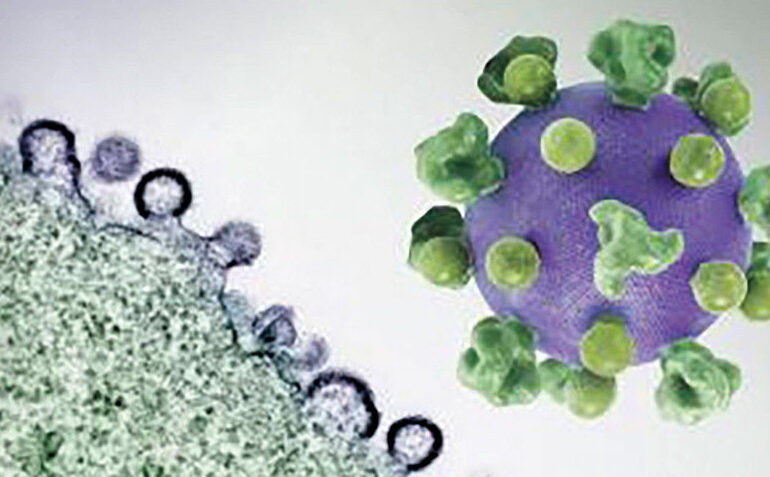
Human endogenous retroviruses (HERVs)—remnants of ancient viral infections—constitute a significant portion of the human genome. Although they are largely inactive, some retain intact sequences capable of producing retroviral proteins. In renal cell carcinoma, HERV-E expression predicts response to anti–PD-1 therapy, and unique HERV-E envelope peptides presented on the surface of renal cancer cells may offer tumor-restricted targets for T cell–based immunotherapy.
Recent findings indicate that specific HERV env genes are differentially expressed in right- versus left-sided colorectal cancers, with expression levels correlating with tumor grade and patient age.
This Research Topic aims to explore the historical context of HERV discovery and genomic integration, highlight breakthroughs in detection and quantification in cancer tissues, and discuss methods used to study expression patterns. It will also address ongoing debates about the role of HERVs in oncogenesis and their potential to modulate the immune microenvironment.
This Research Topic explores the potential of HERVs as biomarkers and therapeutic targets in colorectal cancer and other solid tumors, with a focus on differential expression by tumor sidedness and patient demographics. The effects of HERVs on the tumor microenvironment are likely complex, as cancer progression may be driven in part by the immunosuppressive functions of HERV-encoded envelope proteins. Conversely, HERV-derived peptides are promising candidates for tumor-targeted immunotherapy.
Ultimately, this Research Topic aims to support research that could enable innovative immunotherapies that harness HERVs to enhance immune responses against colorectal cancer, aligning with the mission of advancing cancer immunity and immunotherapy.
We encourage submission of manuscripts addressing the following themes:
Prognostic role of HERVs in colorectal cancer and other solid tumors
HERV expression profiles in colorectal cancer and other solid tumors
Interactions between HERVs and the tumor microenvironment
HERV-derived products as targets for immunotherapy
We welcome a range of manuscript types, including original research, systematic reviews, narrative reviews, and perspectives/commentaries, as appropriate.
Please note that manuscripts consisting solely of bioinformatics or computational analyses of public genomic or transcriptomic databases, without robust and relevant validation (clinical cohort validation or biological validation in vitro or in vivo), are out of scope for this Research Topic.
 Article types and fees
This Research Topic accepts the following article types, unless otherwise specified in the Research Topic description:
Brief Research ReportCase ReportClassificationClinical TrialEditorialFAIR² DataFAIR² DATA Direct SubmissionGeneral CommentaryHypothesis and Theory… View all formats
Articles that are accepted for publication by our external editors following rigorous peer review incur a publishing fee charged to Authors, institutions, or funders.
Keywords: HERV, tumor microenvironment, HERV proteins, adoptive immunotherapy, cancer vaccination, Human endogenous retroviruses (HERVs), HERV-E, envelope (env) genes, colorectal cancer, renal cell carcinoma, anti–PD-1 therapy, differential expression, biomarkers, T cell–based immunotherapy
Important note: All contributions to this Research Topic must be within the scope of the section and journal to which they are submitted, as defined in their mission statements. Frontiers reserves the right to guide an out-of-scope manuscript to a more suitable section or journal at any stage of peer review.