A Holland Hospital physician says vitamin D toxicity is on the rise and warns Michiganders to watch their dosage this winter.
HUDSONVILLE, Mich. — A West Michigan family physician said she is diagnosing a number of people with vitamin D toxicity.
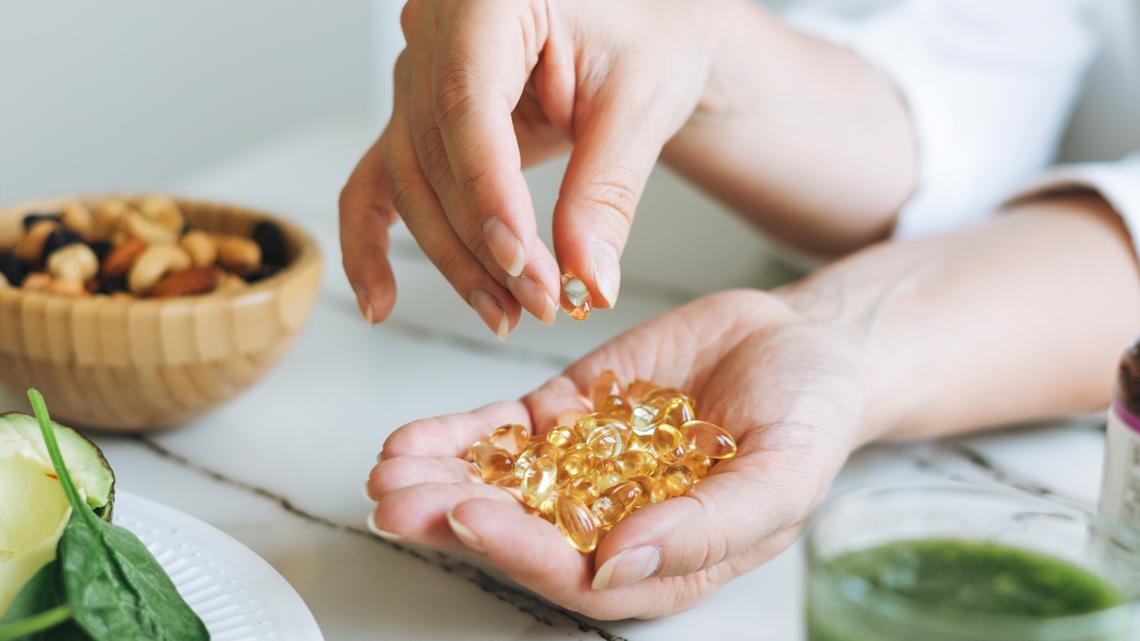
Vitamin D is a common supplement for Michiganders in the winter. With less sunlight in the colder months, many take it to make up for the loss of ultraviolet-B light. Vitamin D is essential for bone growth. Low vitamin D levels are also associated with depression and anxiety symptoms, often stronger in the winter months.
“There are plenty of people who have low vitamin D levels living in Michigan in the winter,” said Dr. Ada Pariser, a family physician at Holland Hospital Primary Care in Hudsonville. “But we have to remember that supplements are generally not regulated by the FDA. The dosing recommendations are not as readily available, and you can buy all kinds of different doses over the counter.”
According to the Cleveland Clinic, vitamin D toxicity can lead to higher-than-normal levels of calcium in your blood. In itself, it is not life-threatening. However, higher calcium levels can lead to kidney failure, heart arrhythmia, unsteady gait and confusion.
“Vitamin D, along with a few other vitamins, are what are considered fat-soluble,” said Pariser. “They can stay in the body for longer and accumulate. So, if you’re taking high doses of vitamin D over a long period of time, those stores are building up in your body, and that will affect the way that your body manages calcium.”
Pariser said 2,000 to 4,000 IUs of vitamin D a day is generally safe. However, many multivitamins contain 2,000 IUs of vitamin D, so it’s important not to combine with an additional supplement and take too much.
If you think you are taking too much vitamin D, a healthcare provider can test your levels of the vitamin and calcium.
There may also be other options to help with seasonal affective disorder beyond taking vitamin D.
Pariser said this time of year is actually very tough on those with seasonal affective disorder, even with glimmers of warmer and sunnier days. Still with weeks of winter left, and past family gatherings of the holidays, many people tend to hibernate.
“Whether it’s having a board game night or maybe you have a cookbook that you all pick a new recipe from to make together, find ways to be indoors but still in community with the people you love,” said Pariser.
She also recommends aerobic activity three to four times a week. This can increase endorphins as well as keep the body’s circadian rhythm in a more natural zone.
“I see a lot of patients for physical exams this time of year, and when I ask them what they’re doing for exercise, it almost always starts with, ‘Well, in the summer, I like to do…’ So, make sure you’re finding ways to be active this time of year, too,” said Pariser.