Vitamin B12, also known as cobalamin, is essential for brain function, energy, and nerve health and is notoriously absent from plant-based foods. That’s a problem for the growing number of people embracing vegetarian, vegan, or flexitarian diets. And it’s not just them; millions worldwide suffer from “hidden hunger,” where calories are plentiful, but key nutrients are missing.
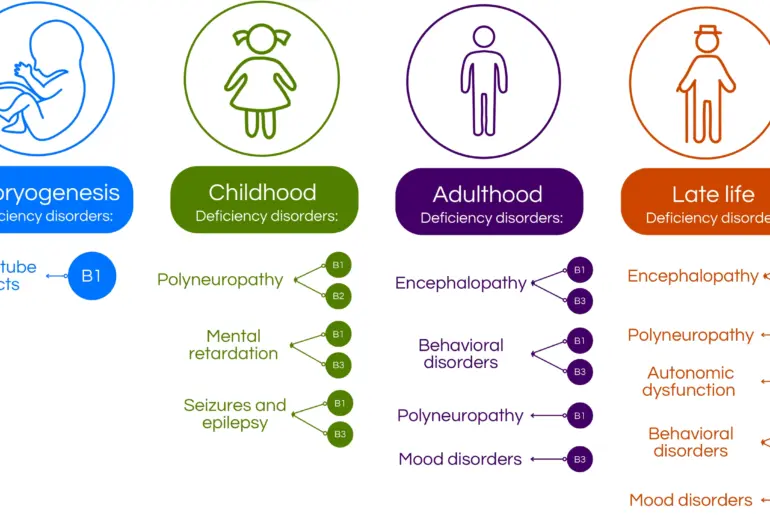
People who don’t eat animal-based foods and don’t take supplements risk not getting enough Vitamin B12. In addition, certain diseases can also lead to B12 deficiency. A lack of Vitamin B12 can cause problems like anaemia, weak muscles, and issues with mood, thinking, and the nervous system.
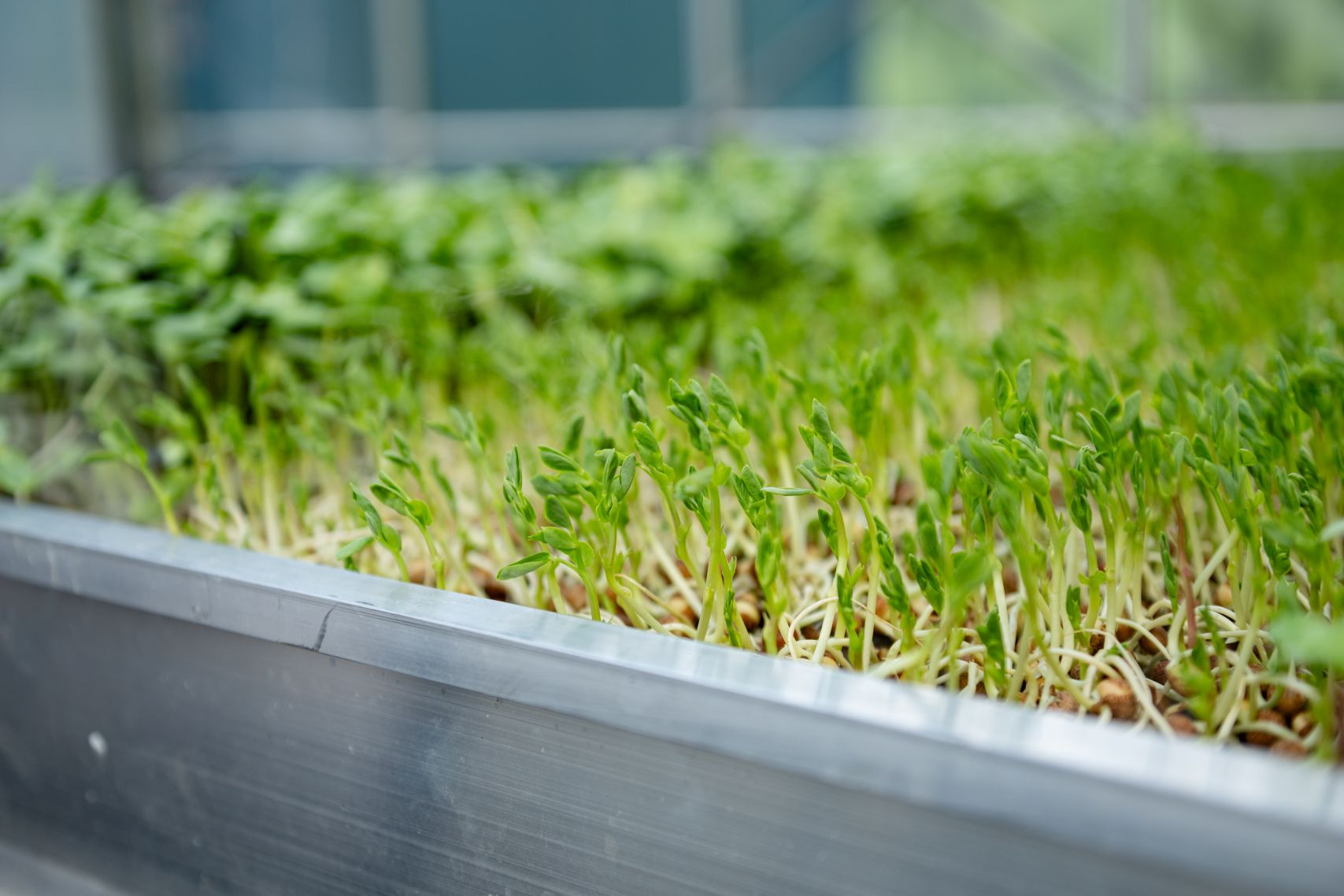
In a quiet corner of a futuristic farm, something extraordinary is growing, not just greens, but a solution to a global health challenge. Pea shoots, those delicate tendrils often added to salads, have just been given a powerful upgrade. They now contain a full dose of Vitamin B12, thanks to an exciting partnership between scientists and indoor farming innovators.
The partnership between the John Innes Centre and the Quadram Institute, based at the Norwich Research Park, the University of Bristol, and indoor farm specialists LettUs Grow, used aeroponics. In this high-tech method, plants grow in mist rather than soil to infuse pea shoots with bioavailable B12.
Just 15 grams delivers your recommended daily allowance (RDA). Better yet, the vitamin stays potent even after cold storage, and digestion tests show it’s ready for absorption.
The cost? Less than a penny per serving.
A novel molecular link between vitamin B12 and Multiple sclerosis
First author of the study, Dr Bethany Eldridge, who was awarded a BBSRC Flexible Talent Mobility Account (FTMA) and a BBSRC Follow-on Fund grant to facilitate her central role in this research-industry partnership, said: “The beauty of this work is how it marries high tech and low tech in such a cost-effective way. Pea shoots are literal sponges for B12, while vertical farms provide a controllable environment in which we can tailor their uptake by the plants.”
Vitamin B12, made only by bacteria and normally obtained from animal foods, is a critical nutrient often lacking in plant-based diets. In the UK, about 6% of people are deficient, and a further 44% may have low levels. Global insufficiency is common among older adults and groups that eat little meat or dairy.
Supplements are available, but they are often overlooked and less effective without food. Many people prefer to get their nutrients from whole foods. Producing B12 is also costly, requiring vast amounts of bacteria and fetching up to £20,000 per kilogram, a third of the price of gold, with most supply coming from China.
Professor Martin Warren, chief scientific officer at the Quadram Institute and one of the authors of the study, said: “Vitamin B12 deficiency is often framed solely as a concern for people following vegetarian or vegan diets, but the reality is far broader.”
Weight loss secret: It’s not just what you eat, but how it’s made
In a breakthrough project, scientists used aeroponic farming technology to grow pea shoots enriched with Vitamin B12. Developed by LettUs Grow, the system sprays a fine mist of nutrients onto plant roots, allowing the vitamins to be absorbed and transported throughout the plant. Within just eight days, the pea shoots accumulated enough B12 so that a 15‑gram serving could provide more than the recommended daily allowance.
Dr Clarke added, “The challenge we faced is to find a way to provide a bioavailable source of Vitamin B12 in a vegetarian meal. The solution came not through engineering the plant but simply by exploiting the plant’s ability to take up B12 when applied. It is an innovative, multidisciplinary approach that highlights the strength of the partnership across the Norwich Research Park and its industrial and academic collaborators.”
Jack Farmer, Head of Research and Development at LettUs Grow, said: “The exciting thing about this project is that it is the first time the enhanced yield potential of aeroponics has been combined with the nutrition enhancement of B12 fortification in a way that can be scaled up to commercial volumes.”
With vertical farms and glasshouses now in the mix, this method could soon be applied to other fast-growing salad crops. That means fortified greens on supermarket shelves: no pills, no fuss, just food that feeds you better.
The team is now exploring how to bring the fortified pea shoots to market, testing commercial delivery methods, and adapting the technique for use in both vertical farms and traditional glasshouses.
Journal Reference:
Eldridge, B.M., Javvadi, S.G., Perez-Moral, N. et al. Addressing Vitamin B12 deficiency through aeroponic fortification of a salad crop (Pisum sativum). Commun Biol (2026). DOI: 10.1038/s42003-026-09764-y