Mass General Brigham study results signal a call to do further research into the connection between vitamin D supplementation and long COVID
In a large, randomized trial, researchers at Mass General Brigham have found that high-dose vitamin D3 did not reduce COVID-19 infection severity, but may impact long COVID outcomes. Results of the study are published in The Journal of Nutrition .
“There’s been tremendous interest in whether vitamin D supplements can be of benefit in COVID, and this is one of the largest and most rigorous randomized trials on the subject,” said senior author JoAnn Manson, MD, DrPH , of the Mass General Brigham Department of Medicine. “While we didn’t find that high-dose vitamin D reduced COVID severity or hospitalizations, we observed a promising signal for long COVID that merits additional research.”
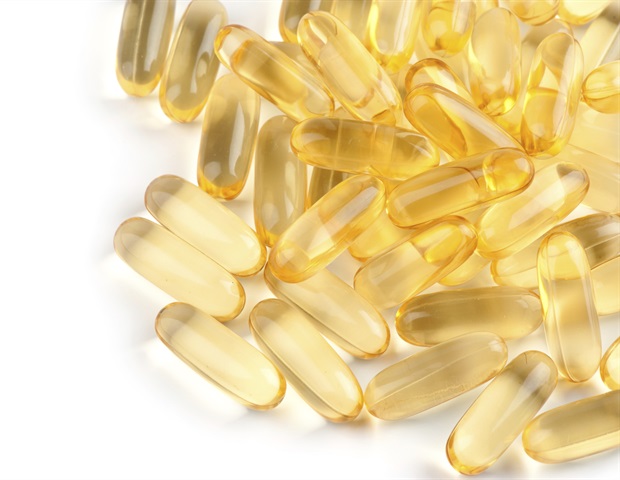
Vitamin D has been hypothesized to boost immune health, but clinical evidence in the context of COVID-19 has been mixed. The Vitamin D for COVID-19 (VIVID) Trial aimed to provide clarity by rigorously evaluating high-dose vitamin D3 supplementation among newly diagnosed COVID-19 patients and their household contacts. Across the United States and Mongolia, 1,747 adults who had recently tested positive for COVID-19 and 277 household contacts were randomized to receive either daily vitamin D3 (9,600 IU/day for two days followed by 3,200 IU/day) or daily placebo for four weeks. The U.S. trial was conducted from December 2020 to September 2022 while the Mongolia trial ran from September 2021 to April 2022. The median time between the participants’ positive COVID-19 tests and the initiation of vitamin D supplementation or placebo was three days.
Alongside Manson, lead authors Davaasambuu Ganmaa, Kaitlyn Cook and team used stratified randomization and statistical weighting to ensure factors that can affect COVID-19 outcomes (including age, sex, body mass index, race/ethnicity and COVID-19 vaccination status) were balanced between the two groups.
The rate of healthcare utilization (including hospitalizations, in-person or virtual clinic visits, and emergency visits) or death did not differ between the vitamin D and placebo groups over a four-week period. Similarly, no significant differences were found in symptom severity. Taking high-dose vitamin D also didn’t reduce the rate at which household contacts contracted COVID-19.
However, an analysis of the participants who adhered to the vitamin D regimen demonstrated a signal that they were less likely to experience long COVID symptoms at eight weeks than those who took placebo pills. In the vitamin D group, 21% reported at least one persistent symptom, compared to 25% in the placebo group, a difference of borderline statistical significance.
“Long COVID, which can include symptoms of fatigue, shortness of breath, brain fog, other cognitive challenges and more, continues to significantly impact people’s lives,” said Manson. “We hope to conduct further research in larger populations on whether long-term vitamin D supplementation reduces the risks and severity of long COVID.”
Authorship: In addition to Manson and Ganmaa, Mass General Brigham authors include Allison Clar, Michael Rueschman, Aditi Hazra, Howard D. Sesso, Valerie E. Stone, Patricia Copeland and Georgina Friedenberg. Additional authors include Cook, Polyna Khudyakov, Dorjbal Enkhjargal, Tsolmon Bilegtsaikhan, Kenneth H. Mayer, Raji Balasubramanian, Douglas C. Smith, Quanhong Lei, Todd Lee, Emily G. McDonald, Tserenkhuu Enkhtsetseg, Erdenebaatar Sumiya, Yansanjav Narankhuu, Myagmarsuren Erdenetuya, Dalkh Tserendagva, Rikard Landberg, Niclas Roxhed and Susanne Rautiainen.
Disclosures: Roxhed is a founder and shareholder of Capitainer AB, a company commercializing the blood collection devices used in this study. All other authors declare no conflicts of interests.
Funding: The study received anonymous foundation support and philanthropic support from Jon Sabes of Minneapolis, Minn. The authors also acknowledge support from the Tishcon Corporation, which donated the vitamin D and placebo study capsules; Takeda; and Capitainer cards. The authors have not declared a specific grant for this research from any funding agency in the public, commercial or nonprofit sectors.
Paper cited: Ganmaa, D., et al. “A Randomized Trial of Vitamin D Supplementation and COVID-19 Clinical Outcomes and Long COVID: The VIVID Trial.” The Journal of Nutrition. DOI: 10.1016/j.tjnut.2026.101398
/Public Release. This material from the originating organization/author(s) might be of the point-in-time nature, and edited for clarity, style and length. Mirage.News does not take institutional positions or sides, and all views, positions, and conclusions expressed herein are solely those of the author(s).View in full here.