Earlier this week, the NYU Grossman School of Medicine became one of 53 medical schools to reach an agreement with the U.S. Department of Health and Human Services: Starting next fall, these schools will include 40 hours of nutrition courses in class requirements.
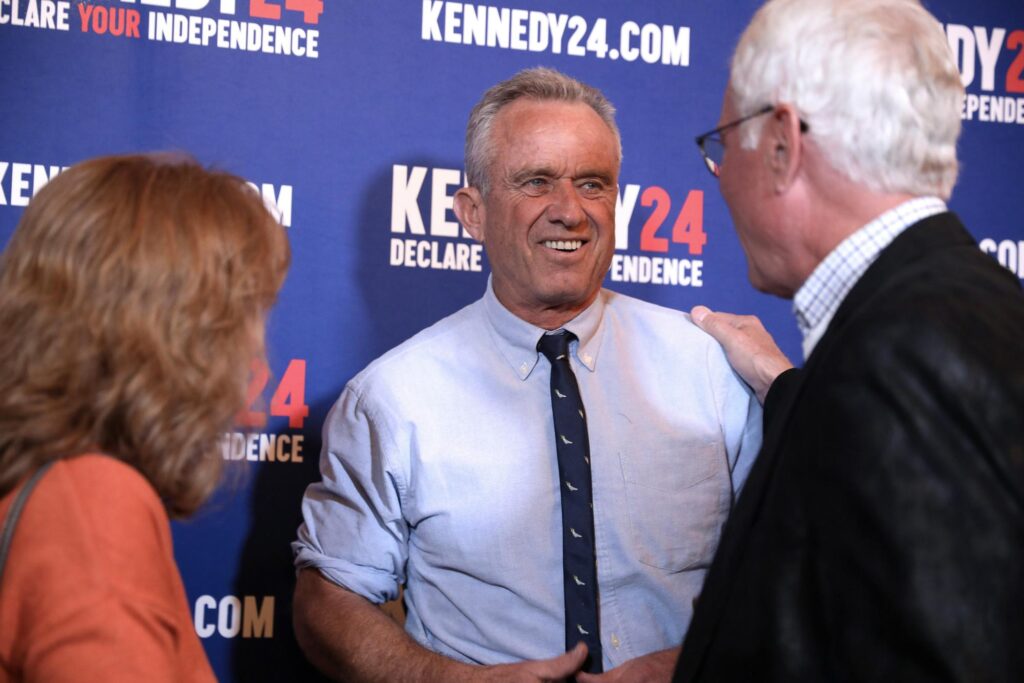
I was skeptical at first, since the initiative is championed by the notoriously anti-academic HHS Secretary Robert F. Kennedy Jr. However, it merely requires that medical schools offer more nutrition classes, leaving room for flexibility in course content, and appoint a faculty member — not a government entity — to oversee the program. The initiative even clarifies that schools are welcome to consult a framework of 71 topics “intended to help” schools design curricula.
While some topics can certainly be swayed to fit a political agenda, such as “principles of healthy balanced diet per national guidelines,” most others seem broad and harmless — even beneficial. Marion Nestle, leading food policy expert and emerita professor of nutrition and public health at NYU, even believes that Grossman could reach this requirement with minimal changes to its current curriculum.
This flexibility is both surprising and refreshing from an administration with a history of cracking down on higher education and research institutions, from pressuring universities to roll back DEI policies and programs to banning words such as “global warming” and “injustice” in research papers.
I expected this spirit of anti-academic hysteria to be reflected in the nutrition education initiative, but was pleasantly surprised. Kennedy’s prominent aversion to conventional modern medicine, particularly his anti-vaccine stance, has sparked mass condemnation from medical professionals across the country. In June of last year, he replaced eight members on the Advisory Committee on Immunization Practices with vaccine skeptics. These actions not only made a mockery of the panel, but also normalized anti-vaccine narratives that have created real medical consequences — including the resurfacing of vaccine-preventable diseases like measles in states like Texas and Utah.
Even in the nutrition sphere, Kennedy has made questionable claims: His new dietary guidelines are completely divorced from scientific reality yet fully in line with the manosphere, disproportionately pushing traditionally manly foods such as red meat and full-fat dairy. In the past, he promoted raw milk, which nutritionists emphasized has no additional nutritional benefits compared to pasteurized milk and increases the risk of contracting foodborne illnesses.
Many are hopeful that the initiative will benefit the medical field and public health at large. Four out of the top 10 causes of death in the United States — heart disease, cancer, stroke and diabetes — all have roots in the foods we eat. Kennedy, despite giving nutritional advice that may exacerbate some of these health issues, is correct that nutrition is a critical channel for good health, which the typical American diet is designed to miss. Especially as the cost of health care soars, nutritional advice and preventative health care are more important than ever. Kennedy’s initiative also aligns with the recommendations of leading health-focused organizations — some of which have, for decades, been advocating for medical schools to establish nutrition education as a core part of students’ training and patient care.
The program inspires cautious optimism for the possibility of a partnership between the Trump administration and higher education, one without the typical threats to funding and imposition of targeted, political demands. But even as some experts laud Kennedy for making such a welcome move, NYU’s medical school must stay vigilant in monitoring the execution of its curriculum and protecting students from pseudoscience and misinformation.
WSN’s Opinion section strives to publish ideas worth discussing. The views presented in the Opinion section are solely the views of the writer.
Contact Serin Lee at [email protected].