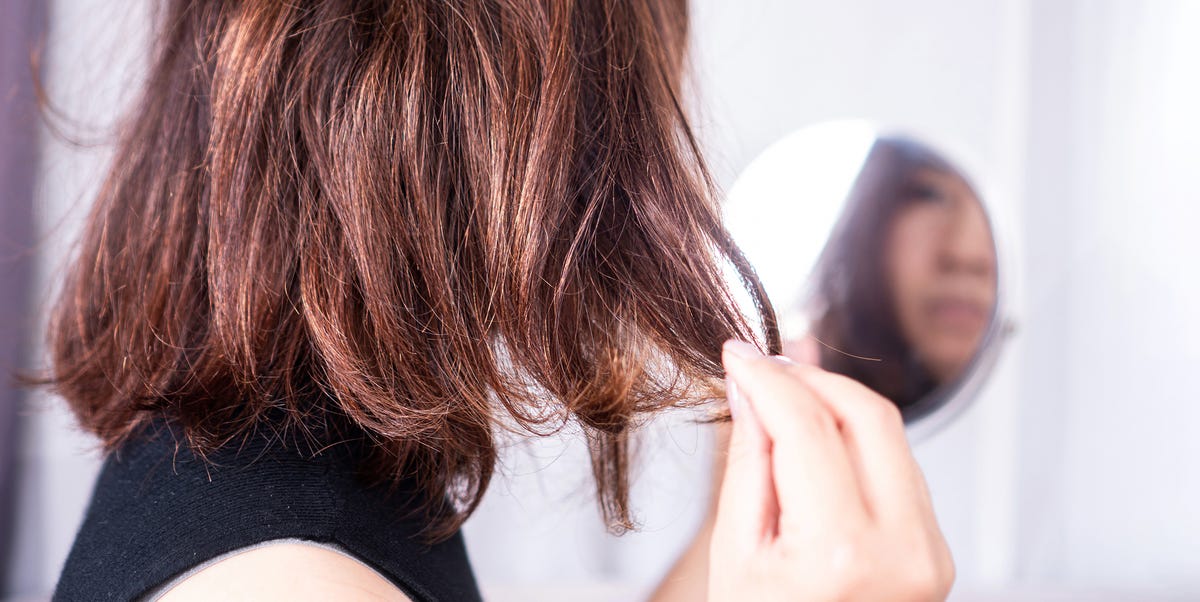
Dealing with thinning hair can be a battle. You’re not only trying to increase density and volume, but also hold onto your fragile strands, even as they snap and snarl. “If you’re not properly caring for thinning hair, it can become even thinner, as well as drier, more breakable, and harder to style,” says Ashley Streicher, celebrity hairstylist and R+Co Collective member. One wrong mane move, and you can send your already thinning hair into a tailspin.
But it’s not all on you: it’s completely normal for our hormone levels to shift as we age, which can make hair appear thinner at the temples and crown, and for the part line to widen. “Physical and emotional stress play their part, too. Stress can prematurely push follicles into the telogen (resting) phase and cause strands to shed about eight to 12 weeks later,” says Gregorio Ruggeri, a board-certified trichologist. Thyroid imbalances, pregnancy, and menopause can also lead to hair thinning, adds Sophia Emmanuel, trichologist and V&Co. Beauty brand ambassador. Another common culprit is your diet. If you don’t eat lean proteins (like nuts and beans) or fruit and vegetables (like leafy greens and berries), then you may start to notice finer strands, diffuse thinning, and slower regrowth. “Many of my clients see that their part is wider than usual, there are thinning edges and bald patches, or they’re experiencing excessive shedding,” Emmanuel says.
If that sounds familiar, then there are steps you can take to encourage growth—and some you should avoid. “Most people with thinning hair are committing at least two or three hair mistakes and don’t realize it,” says Philip B., global scalp expert and founder of Philip B Hair Care. Here are those mistakes—and what you should do instead.
Mistake #1: Aggressively brushing hair with a nylon bristle brush
Thinning hair needs to be treated with gentle love and care. That’s because combing or brushing fragile hair too hard or aggressively places stress on weakened follicles, leading to breakage and increased hair loss. Instead of being rough and tough with the hair, Philip B. recommends brushing it with light, gentle strokes to stimulate circulation and always using a natural boar-bristle brush. “Nylon bristles are designed for gentle detangling and brushing thicker hair types, but they are often too harsh for fine, fragile strands.” If you have curly or wavy hair, you can skip the brush altogether and instead detangle in the shower using your fingers and conditioner or a detangling brush made for curls.
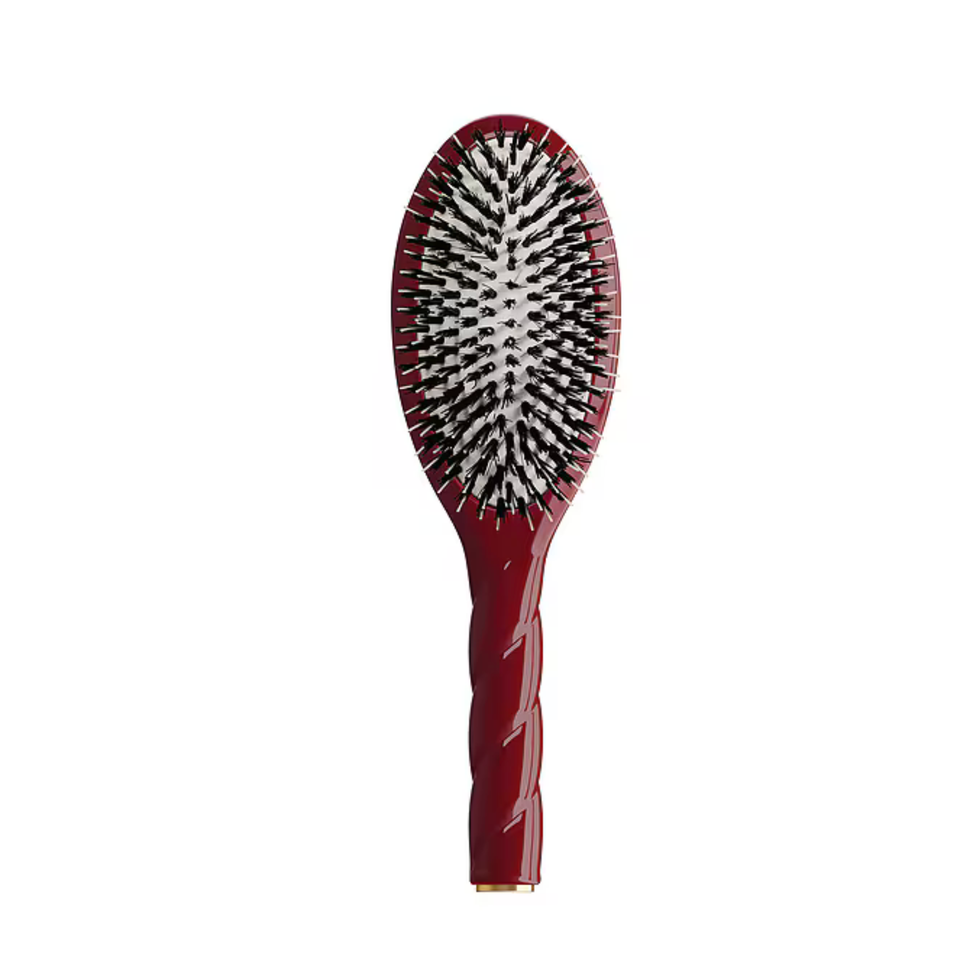
The Fix: Use a boar-bristle brush
The right brush can make all the difference, and this keratin-rich, boar-bristle one naturally moisturizes the hair while increasing shine. “Soft bristles gently exfoliate the scalp,” Philip B. shares, “freeing up dead cells and debris, and pulling natural oils down the hair shaft to condition the strand from root to tip.”
Mistake #2: Wearing the wrong type of extensions
Despite extensions being a quick fix to camouflage the symptoms of thinning hair, certain types of bonded extensions, as well as some fusion application methods, can add unnecessary stress to the follicle. “There are very few cases where I recommend adding extensions to already thinning hair,” says Streicher. “I don’t think they ever blend well or look natural. And almost all extensions will pull fragile hair out and make the hair even thinner, creating an endless cycle of needing more damaging extensions.”
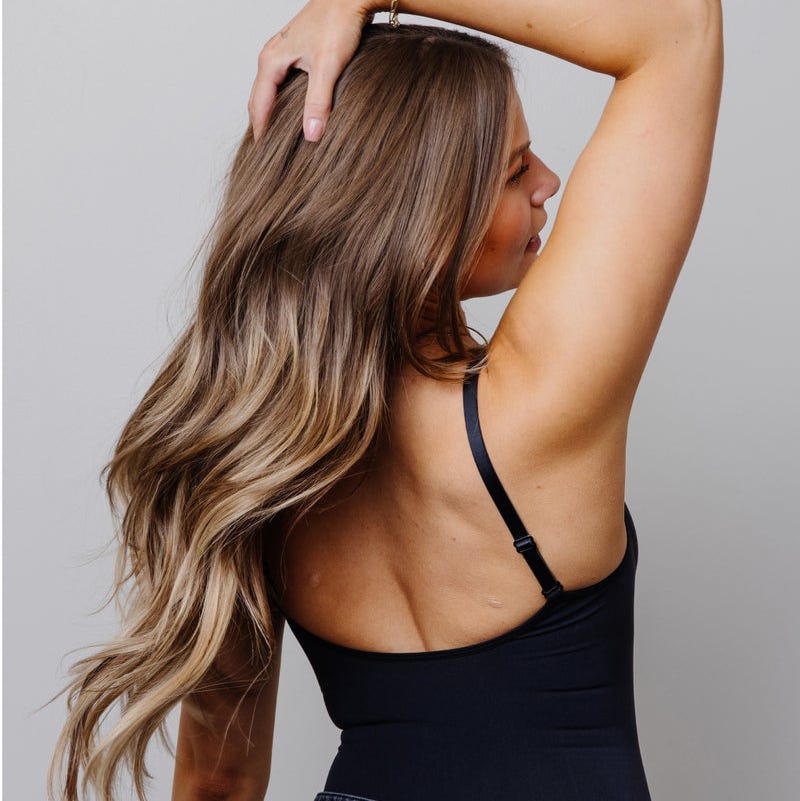
To safely add length and fullness to thinning hair without compromising its integrity, Streicher recommends a halo weft, which sits on the head and does not attach to the hair. “Tape-ins also work to add length or fullness, and because they are sandwiched between the hair strands, they do not touch the scalp,” Emmanuel adds.
The Fix: Opt for lightweight, removable extensions
Wearing halo extensions, which rely on a hidden wire set on top of the head like a crown, helps protect the scalp and follicles while temporarily adding length and volume to the hair without worrying about potential damage. Streicher says this type of extension gives fullness without attaching to the hair root, making them much better and healthier for the hair.
Mistake #3: Glossing over volumizing products
Thinning hair, unfortunately, lacks ample volume at the root. Rather than resorting to old-school volumizing hacks like teasing, which can weaken and break fragile strands, Philip B. suggests building volume more naturally. “Start by washing the hair with a clarifying and volumizing shampoo to build body at the roots.” Then, use a bit of mousse before blow-drying to create body and texture.
The Fix: Introduce body-enhancing shampoos
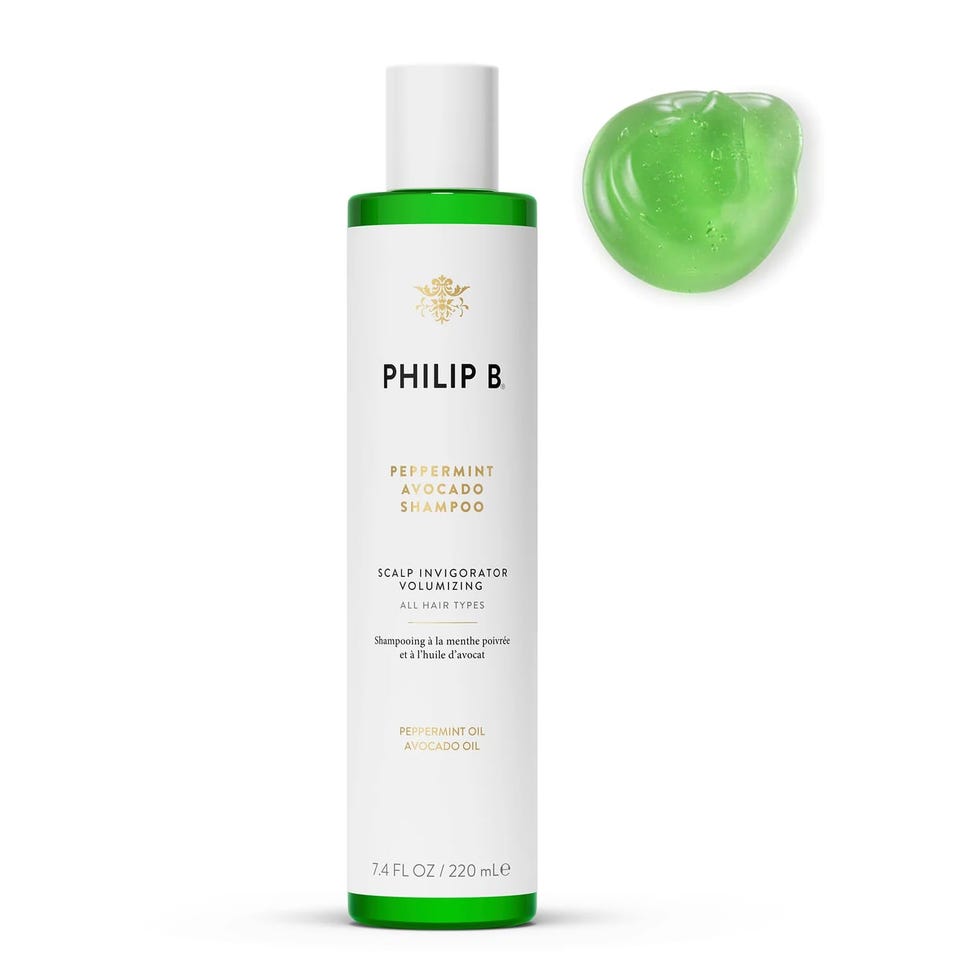
This best-selling shampoo creates a sudsy lather, leaving hair super clean, ultra-refreshed, and full of volume, thanks to a blend of avocado extract, peppermint oil, and plant extracts. Philip B. recommends pairing it with a silicone scalp massager to stimulate circulation, so the active ingredients in the formula can penetrate as intended.
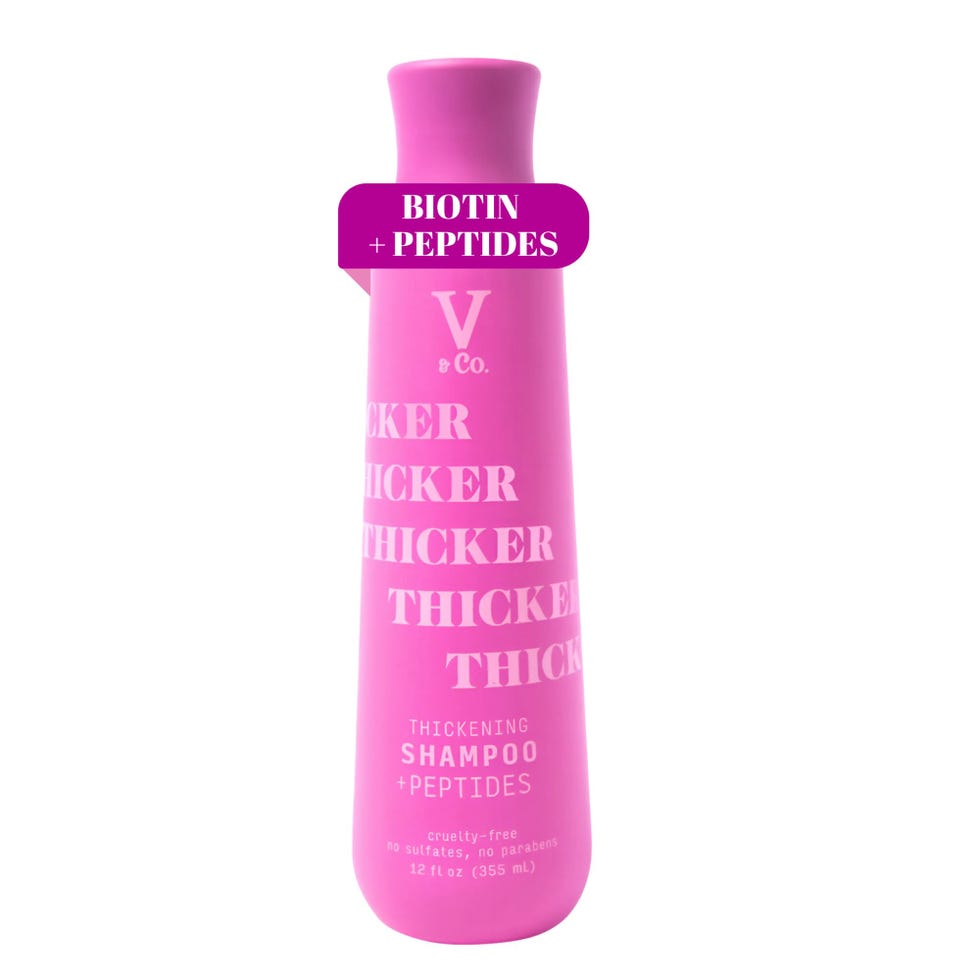
Emmanuel says washing the hair with a volumizing shampoo that’s formulated with peptides, amino acids, biotin, and lightweight conditioning ingredients helps to gently remove buildup, support strand strength, and add body to the hair. This lightweight anti-thinning shampoo adds fullness to thinning hair for increased thickness and stronger strands. Plus, the elevated scent adds to the overall hair-washing experience.
Mistake #4: Over-processed hair color
Giving up your bleached blonde color might be what your hair needs. Frequent bleaching or dyeing can lead to breakage, making the hair thinner, Emmanuel explains. Plus, excessive coloring can deplete hair of much-needed moisture, damage the hair shaft, and strip away natural oils. Instead, she recommends low-ammonia hair color, such as demi-permanent color, or alternatives like henna or a temporary color rinse.
The Fix: Switch to temporary hair color or a hair gloss
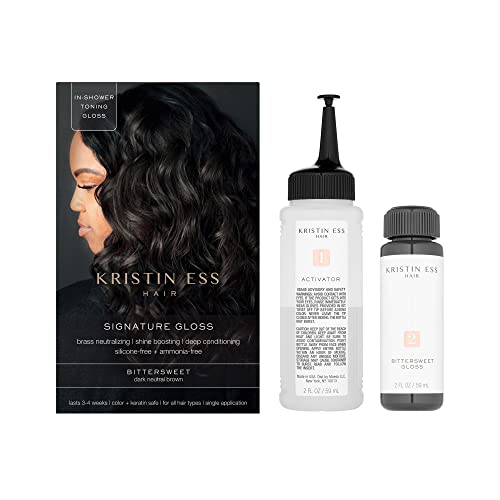
For a non-committal way to refresh your color, look to an at-home hair gloss. While effective and mess-free, this at-home, non-damaging gloss will boost the hair’s tone and vibrancy while adding shine, so the hair appears full and thick.
Mistake #5: Not Cleansing the Scalp Properly
Just like the rest of your skin, the scalp needs exfoliation. If you skip it, dead skin, excess product, oil, dirt, and debris can clog the follicles, preventing new growth from sprouting and leading to inflammation. “The health of the scalp is so important since that’s where healthy hair grows from,” Streicher shares. “Exfoliating it and getting rid of any dead skin and product buildup creates a clean surface for healthy hair to grow.”
The Fix: Gently exfoliating the scalp
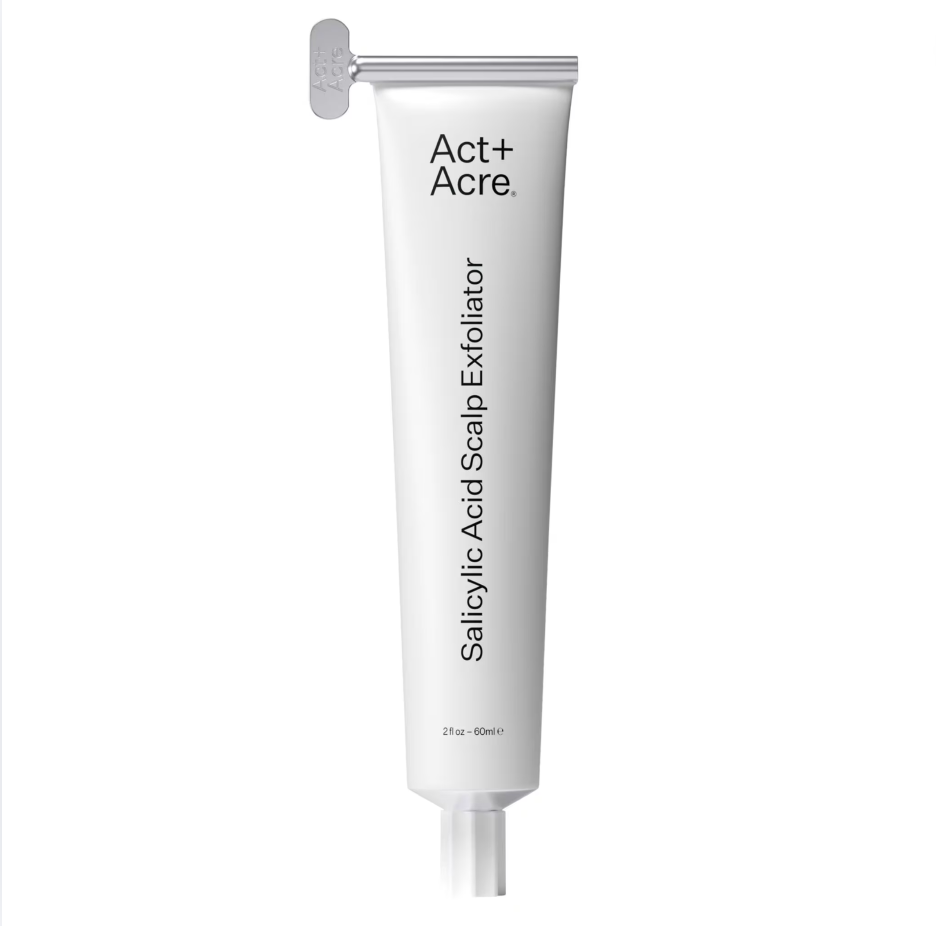
Since a healthy scalp is the foundation for healthy hair, regular gentle exfoliation is essential for keeping the scalp clean and functioning properly. Ruggeri says don’t use anything too aggressive on the scalp, which is why he likes this gentle exfoliator. The salicylic acid-based, pre-wash treatment gently exfoliates to loosen flakes and whisk away extra oil on the surface.
Mistake #6: Using heavy styling products
You might think that thick styling products would thicken hair, but, actually, heavy oils, blowout serums, and finishing products can weigh down the hair, leaving it limp, flat, and even oily-looking, especially when they’re applied too close to the scalp. “These heavy products can create buildup around the follicle that, over time, causes congestion that contributes to inflammation and a compromised growth environment,” Ruggeri explains. Rather than weighing down fragile hair, try lightweight mousses, oils, and dry texturizing sprays. Steer clear of styling products that contain dimethicone, polyethylene glycol, or mineral oil near the top of the ingredient list; these are build-up culprits.
The Fix: Swap in ultra-lightweight formulas
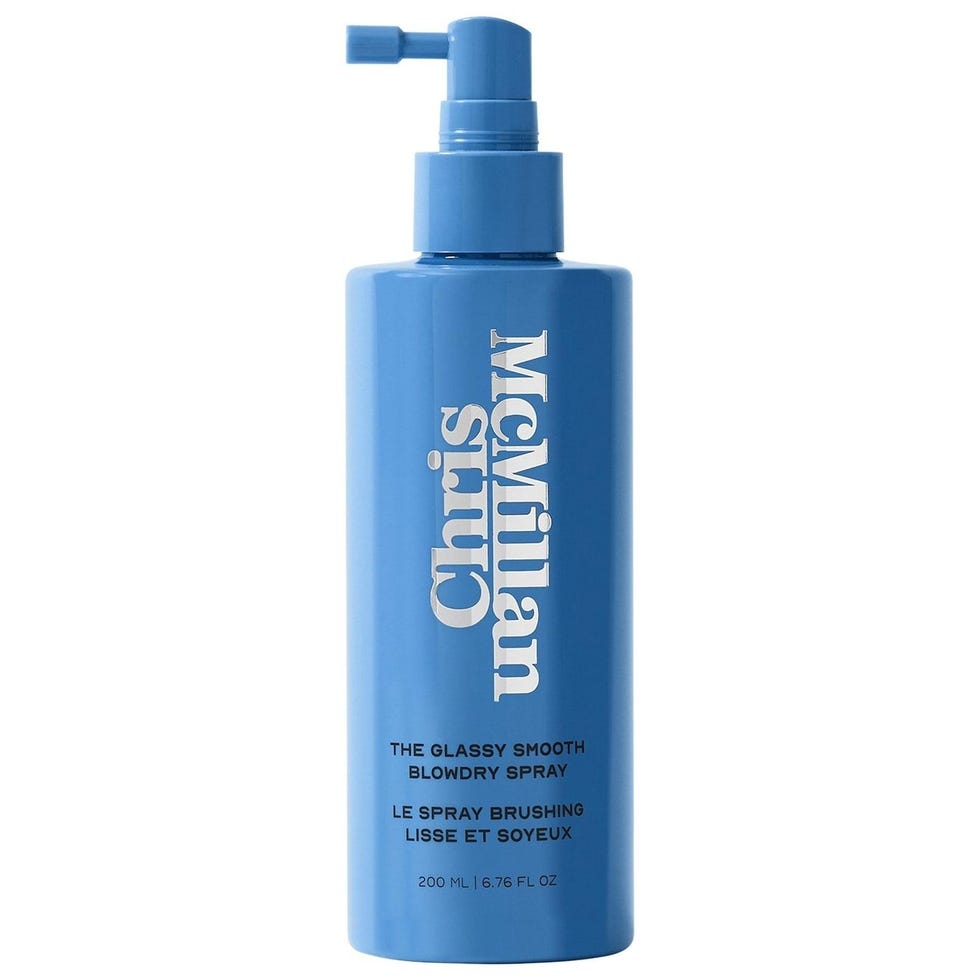
Ruggeri recommends this heat-protecting blow-dry spray, which gives the hair ample shine without any unnecessary weight. “I love the lightness of this product and the ease of application,” he says. “Apply it through the mid-lengths and ends so that the scalp feels clean and not coated.”
Mistake #7: Using anti-frizz products
Some anti-frizz products don’t bode well with thinning hair and can cause the roots to fall flat, the hair to appear limp, and any natural texture to lose definition. While anti-frizz products can be a godsend for coarse, thick hair, Ruggeri says the same weight that smooths frizz can collapse volume, making the hair look flat or greasy. His secret trick for fighting frizz without compromising thinning hair: lightweight hairspray. “A soft mist is just enough to nudge flyaways and static into place without collapsing the shape.” But that’s not the only thing that works. Emmanuel recommends ultra-lightweight smoothing creams and humidity-resistant sprays to control frizz without excess weight.
The Fix: Try light hairspray or a hydrating mist instead
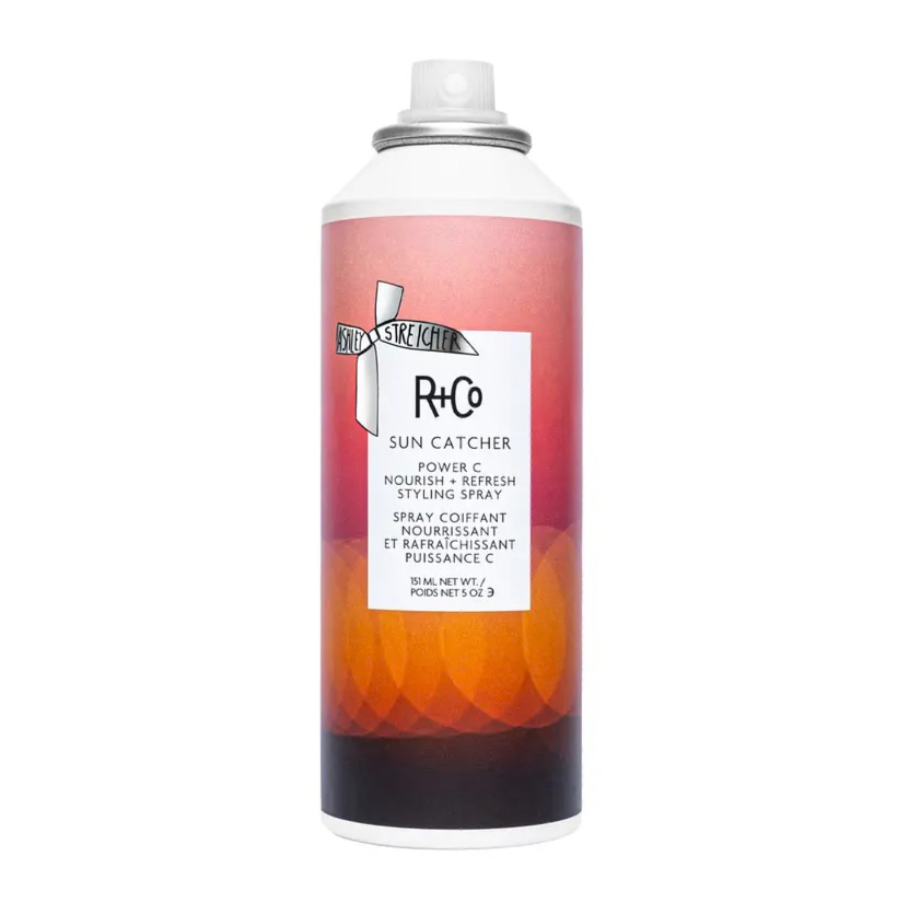
“Thin, frizzy hair is a hard one to treat,” Streicher says. “You want to use something hydrating but not heavy, like a fine mist that helps with frizzy, unruly fine hair.” This vitamin C-infused one gives hair a light dose of hydration while protecting it against frizz, heat, UV damage, and pollution, so hair looks and feels soft and shiny but never weighted down, flat, or oily.
The Mistake #8: Wearing hair in too-tight styles
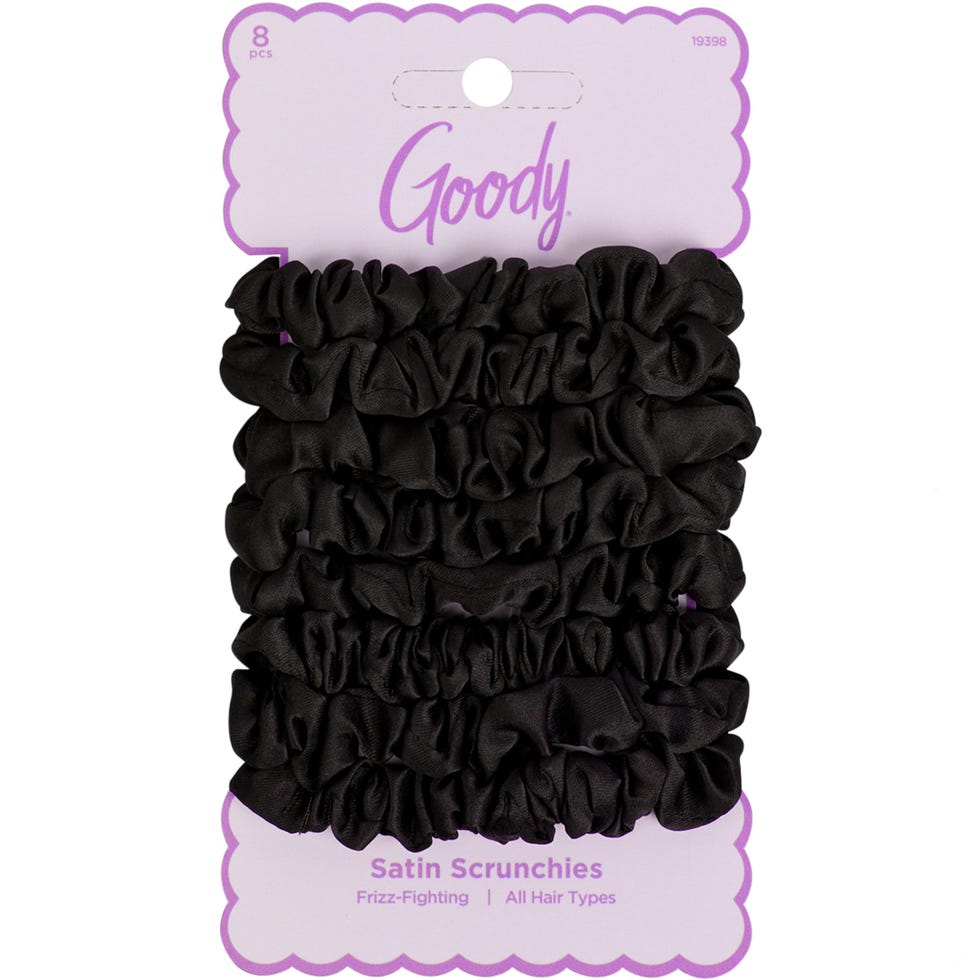
Any hairstyle that’s too tight—think super slick, locked-in-place buns, braids, and ponytails—can make thinning hair worse since traction alopecia can ensue, Emmanuel says. Plus, these types of styles usually require the use of elastic rubber bands, which can wreak havoc on already compromised hair, particularly if they’re ripped out. Swap hair ties for a claw clip, hairpin, or silk hair ties that gently hold the hair in place. Or wear your hair down to give the follicles a rest.
The Fix: Go with a loose style secured in place with a satin scrunchie or claw clip
“Elastic rubber bands place tension on hair follicles, which can enhance hair loss,” Emmanuel says. Instead, swap out your elastic rubber bands, which she adds can also cause hair breakage and traction alopecia, for soft silk or satin scrunchies and hair ties, which will put less stress on the hair and help protect it.
Mistake #9: Sleeping on cotton pillowcases
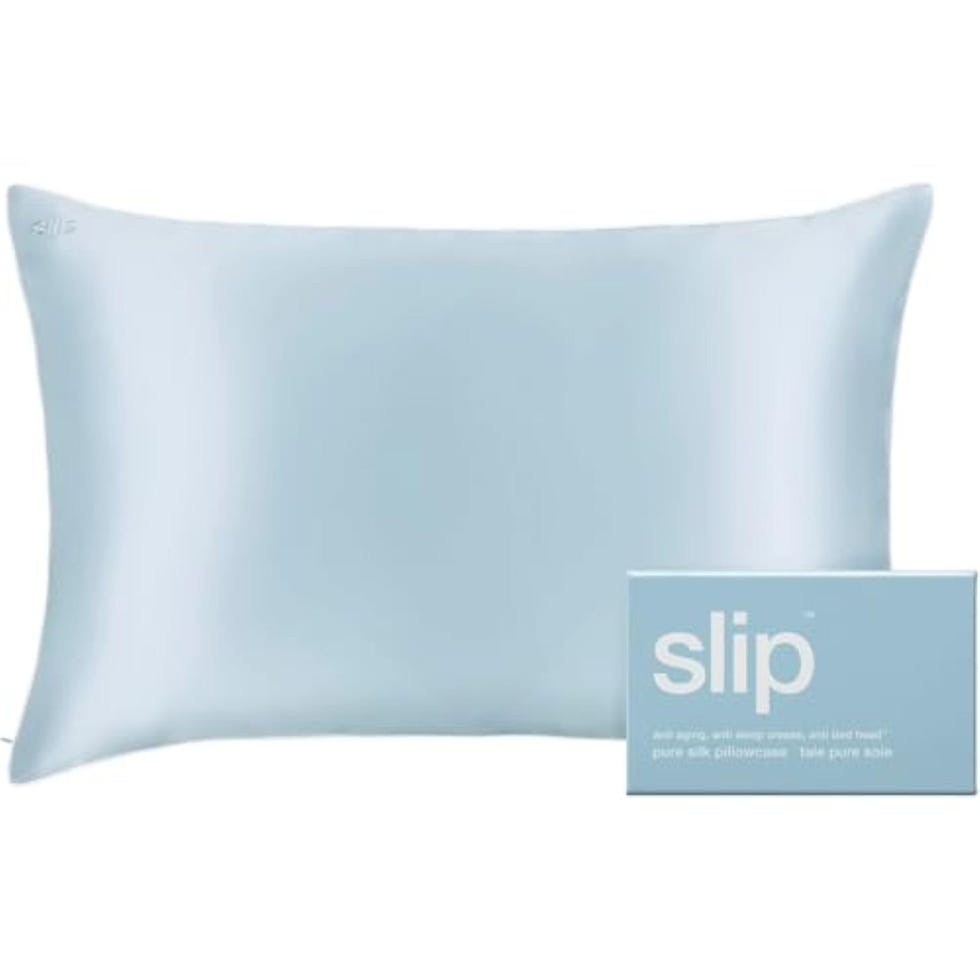
Catching some Zs on cotton pillowcases can, unbeknownst to many, lead to unnecessary friction in the hair. The rough fibers can tug at fragile strands while you sleep, leading to breakage, frizz, and increased shedding from mechanical stress. “While a pillowcase itself won’t cause true follicle loss, it can absolutely make thinning hair look worse,” Ruggeri explains. That’s why a pure silk pillowcase is often a safer option, particularly since it will eliminate friction.
The Fix: Trade out your normal pillowcases for pure silk ones
Sleeping on a 100-percent pure silk or satin pillowcase will help prevent the hair from becoming roughened up while you sleep. “They also reduce friction and help to maintain hair hydration,” Emmanuel adds. Or, she says you can opt for a silk or satin bonnet, which works towards the same goal.
Mistake #10: Wearing dark, one-dimensional hair color
Flat, single-process hair color makes hair look thinner, says Philip B. That’s because a uniform shade, especially one that’s too deep or too light, can create too much contrast against the scalp, amplifying sparse areas and making them stand out.
The Fix: Adding a few strategically placed highlights
Going a shade or two lighter can help, but the most important aspect is dimension. “Adding just a few highlights, some balayage, or a shadow on the roots creates variation and movement throughout the hair. It blurs the line between the hair and scalp, so sparse areas look less obvious.”

Elise Minton Tabin is an award-winning beauty journalist, editor, and expert with 20 years of experience. She started her career in public relations before shifting to editorial. Elise rose the ranks at NewBeauty magazine from an editorial assistant to Executive Beauty Editor, overseeing and reporting on all things beauty, plastic surgery, anti-aging, health, and wellness. A prolific content creator and trendspotter, Elise always knows what’s new, what works, and who’s the best to go to for treatments and procedures. She contributes to media outlets including InStyle, NewBeauty, The Zoe Report, Byrdie, Beauty Independent, The Aesthetic Guide, Bazaar, and more. Elise has also been featured on Extra TV, WPTV, and WPLG, on satellite tours, and as a featured expert in Perricone MD infomercials. When she’s not unearthing the newest beauty trend, Elise spends her time consulting with beauty brands, writing, and creating Instagram and TikTok content for herself and beauty and wellness brands.