Mar. 12, 2026 at 7:20pm
Got story updates? Submit your updates here. ›
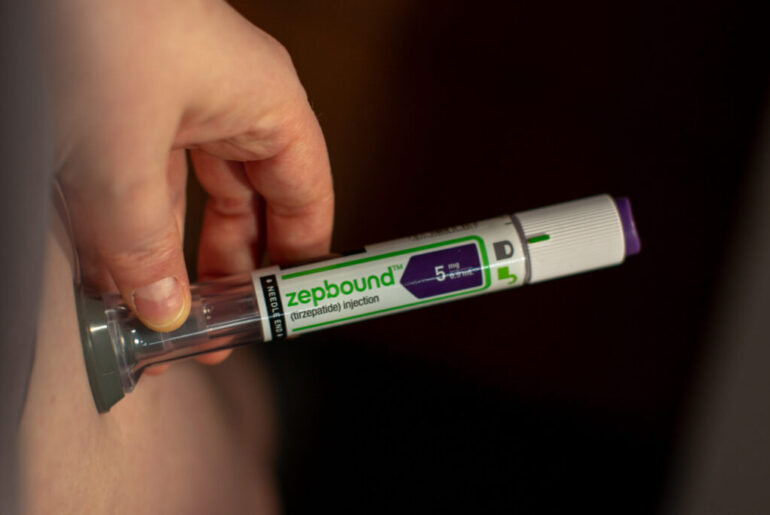
New research has found that about 14% of people taking GLP-1 medications like Ozempic and Wegovy developed a vitamin D deficiency after one year. Experts say the medications, which suppress appetite and alter gut absorption, may contribute to low levels of vitamin D, iron, and B vitamins. They recommend that people on GLP-1 drugs receive nutritional counseling and monitoring to ensure they are getting adequate nutrients.
Why it matters
GLP-1 medications are highly effective for weight loss, but the nutritional deficiencies associated with their use could have serious health consequences if not properly managed. Vitamin D deficiency, in particular, can increase the risk of osteoporosis, especially in those who are also losing muscle mass from rapid weight loss. Monitoring and supplementation are important to prevent these potential complications.
The details
The systematic review included data from 480,825 adults with obesity who were taking GLP-1 medications. One study found that 12.7% of participants had a nutritional deficiency after six months on GLP-1, with vitamin D deficiency being the most common, followed by low iron and B-complex vitamins. Experts say the medications’ effects on appetite and gut absorption likely contribute to these nutrient deficiencies.
The systematic review analyzed data from studies conducted over a one-year period.One study found that 12.7% of participants had a nutritional deficiency after six months on GLP-1 medications.
The players
Benjamin Clapp, MD
Senior author of the study and an associate clinical professor of surgery at Texas Tech School of Medicine in El Paso.
Cecilia Low Wang, MD
An endocrinologist at UCHealth.
Shiara Ortiz-Pujols, MD, MPH
Director of obesity medicine at Northwell’s Staten Island University Hospital.
Got photos? Submit your photos here. ›
What they’re saying
“GLP-1 receptor agonists are highly effective therapies, but their use should ideally be accompanied by nutritional assessment and counseling.”
— Benjamin Clapp, MD, Associate clinical professor of surgery (Verywell)
“Anything that is highly effective for reducing food intake, such as GLP-1-based therapies or metabolic (bariatric) surgery, can cause vitamin and mineral deficiencies because the total quantity of food is lower.”
— Cecilia Low Wang, MD, Endocrinologist (Verywell)
“We could be thinking something similar when it comes to people who are on GLP-1s.”
— Shiara Ortiz-Pujols, MD, MPH, Director of obesity medicine (Verywell)
What’s next
Experts say that healthcare providers should closely monitor the nutritional status of patients taking GLP-1 medications and provide guidance on appropriate supplementation if deficiencies are detected.
The takeaway
The findings highlight the importance of comprehensive nutritional care for individuals using GLP-1 drugs for weight loss, as these medications may increase the risk of vitamin D and other nutrient deficiencies that could have serious health consequences if left unmanaged.