Wild blueberries — the iconic Maine crop dotting hillsides, decorating sweatshirts and adding personality to local menus — is more than a cultural symbol. Over 20 years of preclinical and clinical studies suggest that regularly consuming wild blueberries supports gut and heart health and may reduce risk factors associated with chronic disease.
Dorothy Klimis-Zacas, professor of clinical nutrition at the University of Maine, recommends one half to one cup per day. She eats them alongside her morning oats or blends them into smoothies.
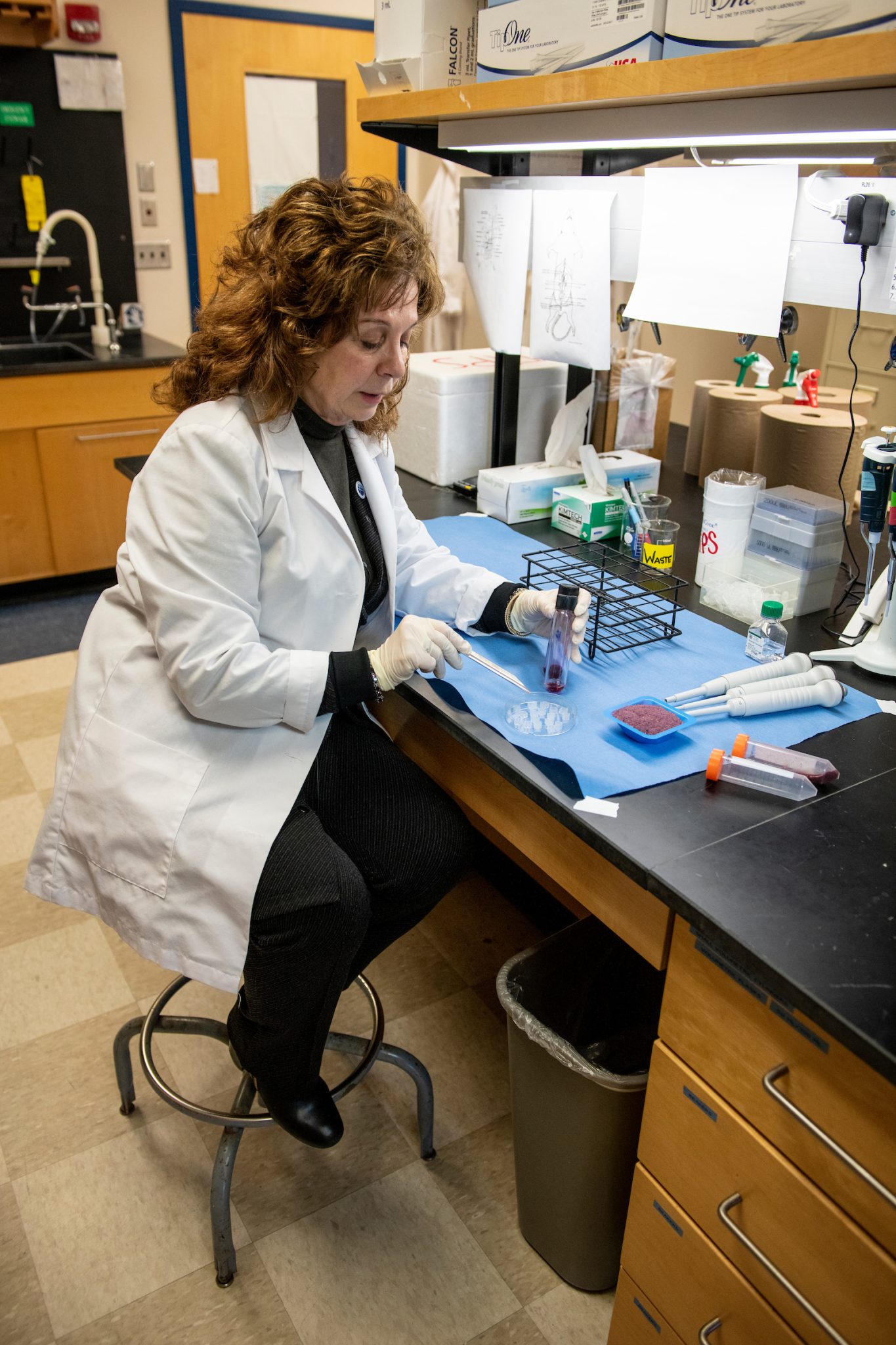
She has spent her multi-decade career researching the health benefits of wild blueberries in relation to cardiometabolic health. Her work is featured in a comprehensive review from a Cardiometabolic Health Symposium of experts hosted by the Wild Blueberry Association of North America in Bar Harbor in 2025. Twelve experts — including Klimis-Zacas — participated, their work spanning the fields of nutrition, food science, dietetics, nutrition metabolism and physiology, cardiovascular and cognitive function, gut health and microbiology.
Blueberries contain polyphenols, which are bioactive compounds found in many berries, that have particularly powerful effects on vascular health. When compared to conventional blueberries, wild blueberries have twice the antioxidant content, 72% more fiber and 33% more anthocyanins — flavonoids related to the widespread health benefits of the berries, such as improved cardiometabolic health.
Research led by Klimis-Zacas was the first to show that wild blueberries reduce inflammation and vascular dysfunction by targeting the endothelium, the thin layer of cells lining blood vessels that regulates their contraction and relaxation. In preclinical studies, her team found that animals with hypertension and obesity showed reduced inflammation and improved vascular health after consuming wild blueberries for six weeks.
Further analysis revealed that a wild blueberry diet alters vascular structure via glycoproteins — key molecules involved in endothelial signaling processes. These structural changes not only improved endothelial function, but also made the endothelium more resilient to high blood lipids and high blood pressure changes.
“If your endothelium becomes dysfunctional, then everything starts going downhill,” Klimis-Zacas said.
Her lab has also investigated how wild blueberries influence local and systemic inflammation in metabolic syndrome, as well as glucose, lipid metabolism and gut health, to have a greater understanding of blueberries’ potential role in supporting overall metabolic function.
What’s the best way to eat wild blueberries?
Wild blueberries — whether fresh, frozen or freeze-dried — can all provide health benefits. Frozen berries are a convenient option because they are flash-frozen shortly after harvest, which helps preserve their nutrients, and are widely available in grocery store freezer aisles. Freeze-dried berries also retain beneficial compounds and are highly bioavailable.
Blending wild blueberries into smoothies is effective, as breaking down the berry’s skin helps the body absorb more of its bioactive compounds. Studies have also shown they can be baked into muffins and other foods without significantly reducing their health benefits.
Pairing wild blueberries with other nutritious ingredients that have acidity, such as orange, lemon or lime juice, further supports the body in absorbing their bioactive compounds. Adding cinnamon is another option, as it has been associated with supporting healthy blood glucose levels.
Who benefits most from eating wild blueberries?
Wild blueberries offer benefits for people with a range of chronic health conditions, particularly those related to inflammation and cardiovascular health. Klimis-Zacas’ clinical studies, in collaboration with the University of Milan’s DeFENS-Division of Human Nutrition, have examined blueberries’ positive effects on individuals with vascular dysfunction, including people who smoke or are hypertensive, hyperlipidemic, diabetic, obese or have other inflammatory conditions.
Because wild blueberries contain natural carbohydrates, individuals with diabetes may benefit from more moderate portions, such as limiting intake to about half a cup per day.
Contact: Ashley Yates; ashley.depew@maine.edu