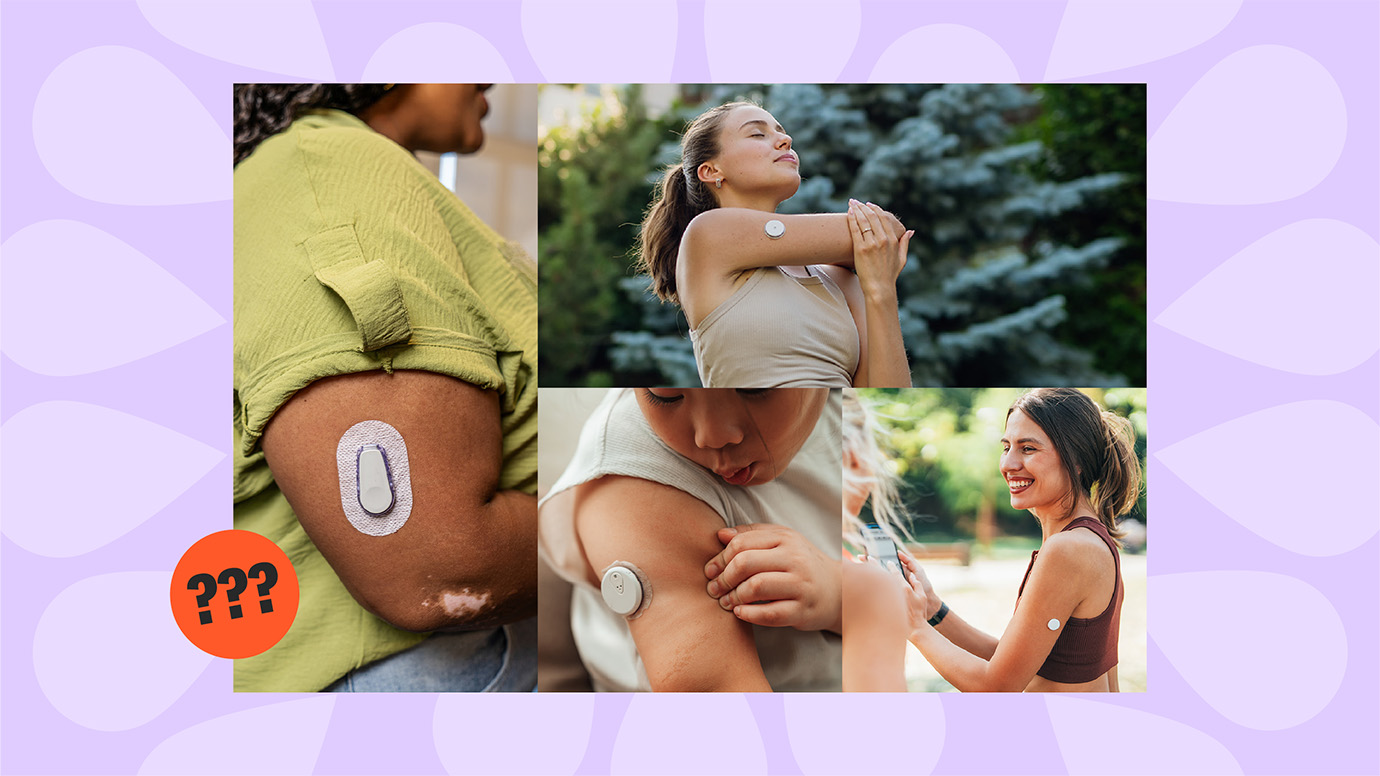
As the years go on, CGMs (continuous glucose monitors) are becoming more and more visible. Whether it’s on reality TV, at the Grammys or on an album cover, the device has stepped into the spotlight, offering a glimpse into life with diabetes. But lately, it’s become clear that a sleek sensor on your arm can signal two very different things.
For many, it’s a lifeline—from alarms set overnight to prevent dangerously low glucose to data that determines whether it’s safe to drive, sleep or eat. But for others, it’s the latest wellness flex: tracking “metabolic health,” optimizing workouts, fine-tuning macros.
As CGMs trend beyond the diabetes community, the conversation isn’t about gatekeeping. It’s about context, access and lived experience. When the same device carries very different stakes, what does visibility really mean?

More than a sensor
Before diving deeper, it’s important to understand what a CGM actually is. A CGM is a small, wearable device that tracks glucose levels in real time and is commonly used by people living with diabetes—particularly type 1 diabetes and insulin-dependent type 2 diabetes. In addition to reducing the need for frequent finger sticks, CGMs provide early warnings for dangerous highs and lows, ultimately helping lower the risk of emergency complications and hospitalizations.
Well, well, well
In recent years, CGMs have moved into the wellness space, fueled in part by venture-backed metabolic health startups and a growing biohacking culture. Glucose is increasingly positioned as the next frontier in personal optimization—a real-time metric for energy, performance and longevity. With FDA-cleared over-the-counter CGMs now available, social media has accelerated the shift, normalizing sensor wear as part of everyday wellness routines. What was once seen almost exclusively as a life-saving medical device is now, in some circles, being reframed as a lifestyle tool.
Optimization vs. reality
For people living with diabetes, the shift can feel complicated. While some people are using CGMs for optimization, others are still fighting stigmas and misinformation when it comes to access, navigating insurance denials and high out-of-pocket costs. The way glucose data has the potential to be framed is also a cause for pause, with spikes labeled as “bad” or “unhealthy” without context, ultimately oversimplifying a complex metabolic process that people with living with diabetes manage every day.
A visible upside
However, there’s potential upside to the increased visibility. A broader audience engaging with glucosedata could deepen public understanding of glucose levels overall and how it impacts daily life. As more people wear visible sensors, stigma around diabetes devices may decrease, making them feel less medicalized and more normalized. Additionally, expanded demand could even accelerate innovation and improve technology over time, while opening up larger conversations about metabolic health.
Awareness or aesthetic?
Responsible awareness starts with centering the voices of people who rely on CGMs to manage a medical condition—not just those using them for wellness. It requires clear, accurate education about the differences between type 1 and type 2 diabetes, and non-diabetic glucose variability, so conversations aren’t flattened or misleading.
The equity gap
At the center of the conversation is access. As the market for CGMs expands, there’s hope that increased production could lower costs and improve availability. But there’s also concern that growth in the wellness space could widen existing inequities, especially if those who need the technology most still face insurance hurdles or financial barriers. Many people continue to lack access to consistent diabetes care, let alone advanced tools. The question isn’t just who wants a CGM, but who can actually get one. That’s where advocacy matters most.
As this conversation evolves, it’s important to remember what CGMs are: not trends, but tools. For some, they’re interesting data points. For others, they’re a life-saving alert. If you’re living with diabetes, or have someone in your life who is, our Beyond Diagnosis program and Community Guide are packed with information, resources and support.