Supplements can absolutely have a role in supporting health. But before you purchase another pill or potion promising lustrous hair, increased immunity and a surging libido, there are a few things to stop and consider. By Claire Turnbull
Sitting around the dinner table with friends last week, after the initial ‘how are you?’, the chat quickly moved to ‘how mad is the world right now?!’ and then retreated to safer ground: our current states of health.
This went from how tired we all were to the list of supplements everyone was taking morning and night for a raft of issues. Many of my friends freely admitted they didn’t know if these pills and powders did them good, but took them anyway, “just in case”.
In my 26 years of working in nutrition, supplement chat has always been in the mix, but these days it feels like whenever someone has a concern, the mind goes straight to: “Which supplement do I need to take for that?”
This is no surprise really, when we’re sold the idea that better sleep, more energy, stronger immunity, balanced hormones, banished brain fog, improved gut health and glowing skin will come quickly as a result of popping a pill or adding a scoop of something to your drink.
The reality is, this game is big business. The global supplement industry is now worth around US$200 billion (NZ$339 billion) a year, and in New Zealand some surveys suggest up to 80% of us have used them in the past year.
But if supplements always work the way the marketing suggests, wouldn’t we all feel amazing by now?
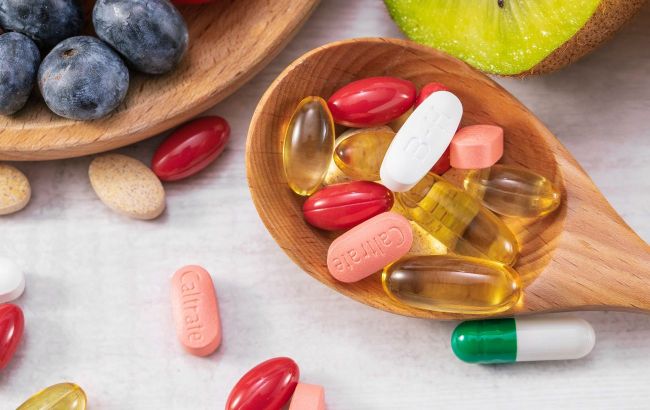
Supplements can absolutely have a role in supporting health. But before you start adding capsules and powders to your daily routine, there are a few things worth thinking about.
1. Supplements are the sprinkles
It’s all in the name. Supplements are designed to “supplement” a healthy lifestyle. Not replace it. Think of them as the sprinkles on the cake. They can enhance a good foundation, but they’re far from enough on their own.

If someone is sleeping poorly, chronically stressed, eating a lot of ultra-processed foods and seldom moving their body, a handful of supplements is unlikely to solve their problems. At best, they may work as a band-aid. At some point, the root cause of those issues and behaviours will need to be addressed and managed before you can feel good and function well.
It’s always best to focus your attention and finances on real food first, before reaching for supplements. While you can get vitamin C in a pill, for example, getting it from fruits and vegetables brings so many added benefits: fibre, antioxidants and the many other vitamins and minerals they contain. It is the interconnected matrix of real food that makes it magical.
2. There are cases of genuine need
While supplements are often marketed as lifestyle enhancers, there are situations where they are medically necessary or strongly recommended.
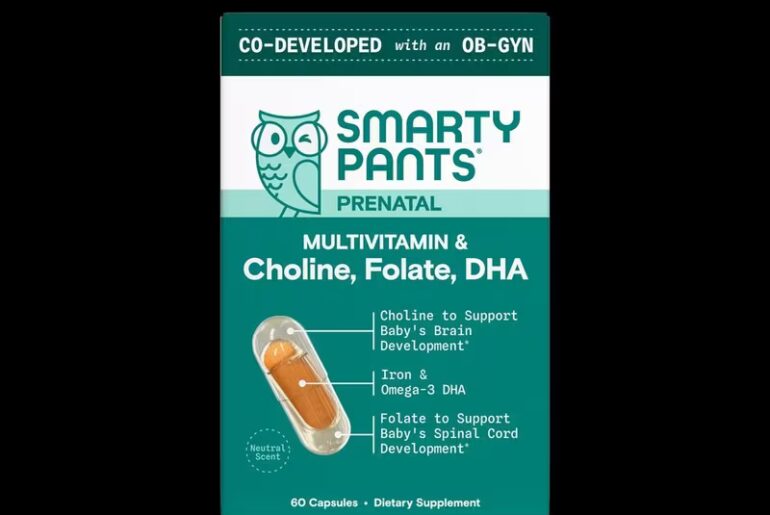
Pregnancy is one example. Women planning pregnancy or who are pregnant are advised to take folic acid leading up to pregnancy and for the first trimester. Iodine is also recommended throughout pregnancy and while breastfeeding to support the baby’s brain development and growth, and for some women vitamin D is recommended too.

Certain dietary choices can also make supplementation important. People following a vegan diet, for example, need to ensure they get vitamin B12, which can be very challenging to get without animal products. Vegans and vegetarians might also need to consider iron too. Having regular blood tests is helpful for knowing where your iron is at – talk to your GP – especially if you’re feeling tired or run down as your iron might well be the issue.
There are also medical conditions that affect how well nutrients are absorbed, including coeliac disease and inflammatory bowel disease and those who have had bariatric surgery will also need long-term supplement support.
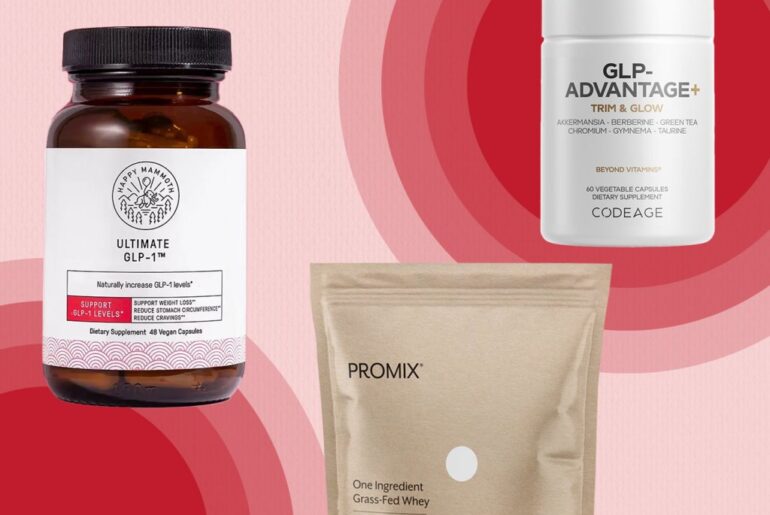
People on GLP-1 weight loss medications like Wegovy may also need supplements to support their nutrient intake, as appetite is often significantly reduced and overall food intake can become quite low.
Older people with small appetites can sometimes benefit from additional nutritional support as well.
3. The supplements worth considering
Beyond clear medical need, there are also times when the evidence suggests supplements may be helpful for some people, and these are a few of the ones I would consider myself:
Omega 3 – Getting this from oily fish is best, but for some that can be a challenge, even if you do opt for salmon sushi over chicken and have sardines on toast sometimes. A supplement may be required to meet the suggested dietary target of around 430mg per day for women and 610mg per day for men. If you don’t eat fish, an algae-derived omega-3 supplement can be a good alternative.
Vitamin D – There are many people who may benefit from this. Those who have very little sun exposure because they’re inside a lot or cover up for cultural reasons. People with darker skin, older adults, and those who live in the South Island (particularly further South where I live) are also at greater risk of low levels of Vitamin D.
Magnesium – The evidence here is modest, but some people do find it helpful to support sleep and muscle cramps, so it’s maybe one to check out if you have those issues. There are many different forms which work for different things – some are better for sleep, others will soften your stools, so it’s worth talking to the pharmacist or a registered dietitian or nutritionist to get the right one for your goals.
Creatine – This has shot into the limelight lately. It is one of the most well-studied supplements and is considered safe when used appropriately. There’s strong evidence supporting its role in improving muscle strength and performance, and emerging research suggests it may also have benefits for brain and bones too.
A note on multivitamins – these can have a place in situations where dietary intake is poor, or nutritional deficiencies are likely. For example, studies from the University of Canterbury have explored how broad-spectrum micronutrient supplements may support mental health in certain groups. If you’re mostly eating a balanced, varied diet, multivitamins aren’t the insurance policy people often think they are. I’d suggest spending your money on quality food instead.
With all supplements, remember, the dose, the form and time you take them all need to be considered.

4. More is not always more
So many supplements these days are a combination of different vitamins, minerals, and other compounds. You might buy what appears to be a magnesium supplement for example, without realising it also contains B vitamins.
There are also many supplements with names designed to appeal to common concerns such as ‘Sleep Easy’ or ‘Stress Support’. These are often combinations of several micronutrients and sometimes herbs too.
While this might sound like a good thing, when you start combining products, something known as ‘supplement stacking’, these little bits can add up to too much and may lead to problems.
A woman who contacted me last week, for example, was taking a pregnancy multivitamin as well as another general pregnancy supplement she’d been recommended. I reviewed them and there was a massive double up of certain vitamins and minerals, which was not a good thing.
While some vitamins are excreted if we have more than we need, others are stored in the body and can become toxic if levels get too high. So, it is absolutely possible to overdo it.

Certain nutrients can compete with each other for absorption. High zinc intake, for instance, can interfere with copper levels, while iron and calcium can affect each other’s absorption.
Supplements can also interact with medications, including antidepressants, blood thinners, thyroid medication, and lithium. And while many products are safe, the quality of supplements can vary widely, particularly with products purchased online or imported from overseas.
It is well worth having a session with a registered dietitian or qualified nutrition professional who understands supplements or speaking to the pharmacist behind the counter (rather than the shop assistant) to check that the combination of what you plan to take isn’t problematic.
5. New kids on the block
There are always new supplements entering the market and gaining popularity on social media.
Current trends include menopause support blends, nootropics (often marketed as “brain boosting” supplements), and functional mushrooms such as lion’s mane, reishi and cordyceps. Many of these products claim to support focus, memory, stress resilience, or hormone balance.

While some ingredients show promising early research, the evidence for many of these supplements is still emerging and often based on small or preliminary studies rather than large, high-quality clinical trials. It is worth approaching these with curiosity but also caution. Look for independent evidence rather than relying solely on marketing claims and be aware that if a product sounds too good to be true, it probably is.
If you want to try a supplement where there is some reasonable evidence, and it is safe to do so, just really tune it to see if it is working for you and periodically stop taking it and see if you notice any real difference.
And remember, the placebo effect is powerful. Sometimes simply believing something will help can make us feel better.
Claire Turnbull is a registered nutritionist with an honours degree in dietetics, a wellbeing educator and author.