“Hearst Magazines and Yahoo may earn commission or revenue on some items through these links.”
If you’ve spent even five minutes on skincare TikTok or fallen into a r/SkincareAddiction rabbit hole, chances are you’ve heard about vitamin C. It’s easily one of the most talked-about skincare ingredients out there (right up there with retinol and hyaluronic acid), thanks to its ability to brighten dull skin, help fade dark spots and acne scars, and soften the look of fine lines and wrinkles. Dermatologists also consistently rank vitamin C as a tried-and-true ingredient that almost everyone can benefit from adding to their routine.
The easiest way to incorporate vitamin C into your regimen is with a vitamin C serum—but finding the right one can be tricky. While the ingredient has plenty of benefits, it’s notoriously difficult to formulate with, which means many vitamin C serums are either ineffective or unpleasant to use (think: funky smells or sticky, tacky textures).
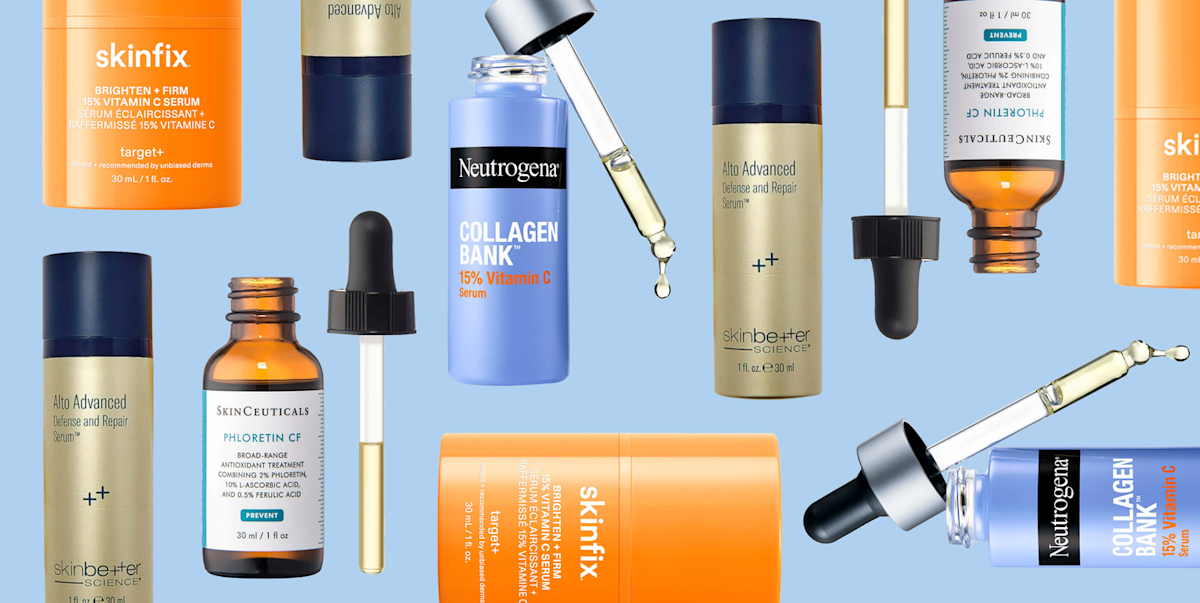
The good news: In my 13 years as a beauty editor, I’ve tested more vitamin C serums than I can count, so I know which formulas are actually worth your money and which ones to skip. Ahead, find my top six vitamin C serums, plus everything you need to know about how vitamin C works, how to choose the right formula for your skin, and how to use it in your routine.
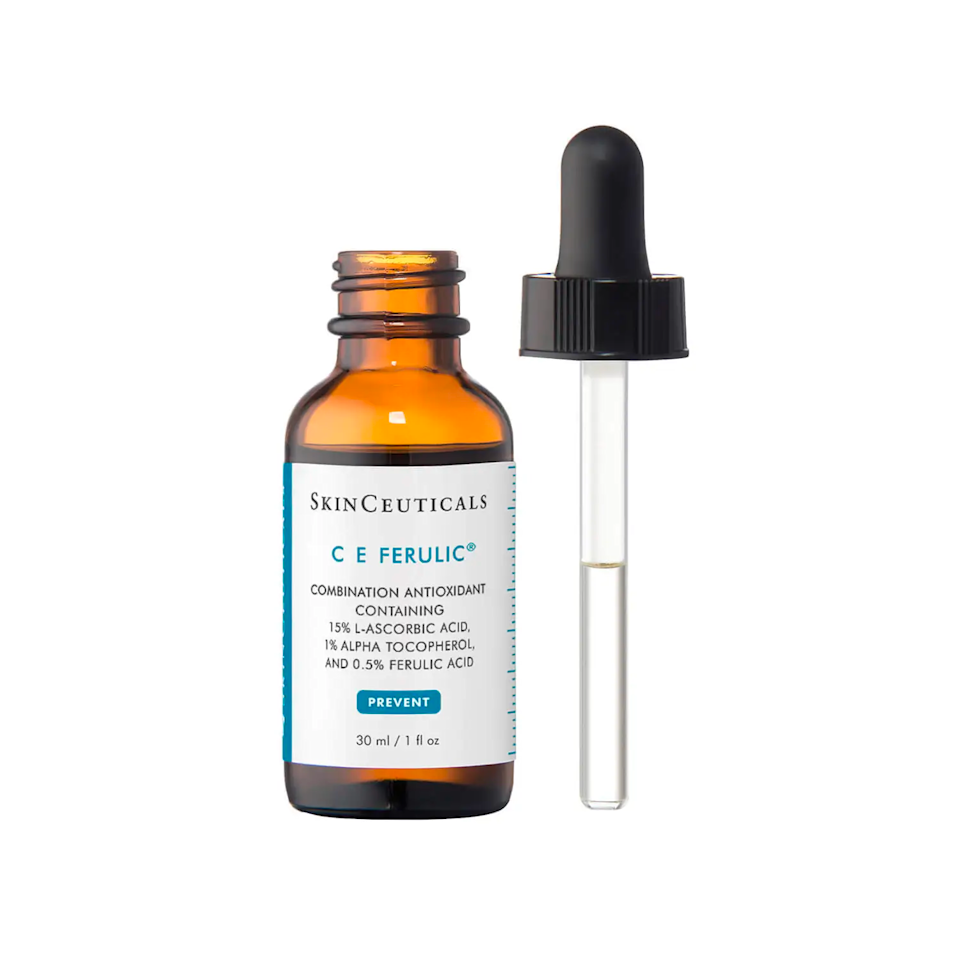
SkincCeuticals C E Ferulic
Ask any dermatologist which vitamin-C serum they recommend to patients and personally use, and I guarantee you they’ll say it’s this one from SkinCeuticals. The serum is absolutely iconic, and contains L-ascorbic acid (one of the most stable, well-studied forms of vitamin C), as well as vitamin E and ferulic acid, which boosts the efficacy of the vitamin C. And very cool fact: The formula stays active for 72 hours after you apply it, even after washing your face.
I’ve personally gone through multiple bottles of this formula over the years, because it gives my skin an immediate lit-from-within glow and helps keep my skin plump and bright over time. I’ve found it to be incredibly effective at reducing stubborn forms of hyperpigmentation, including melasma and acne scars.
SkincCeuticals C E Ferulic
dermstore.com
$185.00
SkinCeuticals Silymarin CF
While C E Ferulic is widely considered the GOAT when it comes to vitamin C serums, it isn’t the best option if your skin is oily and/or pimple-prone due to the texture. But no worries, because SkinCeuticals makes a vitamin C specifically for acneic skin types called Silymarin CF. It still has L-ascorbic acid and ferulic acid, but replaces vitamin E with salicylic acid to help curb breakouts and improve skin texture with continued use.
For the last few years, I’ve been dealing with stubborn hormonal acne and have found that switching from CE Ferulic to this formula hasn’t just helped reduce breakouts, it’s been excellent at fading post-inflammatory hyperpigmentation from old cystic acne, too.
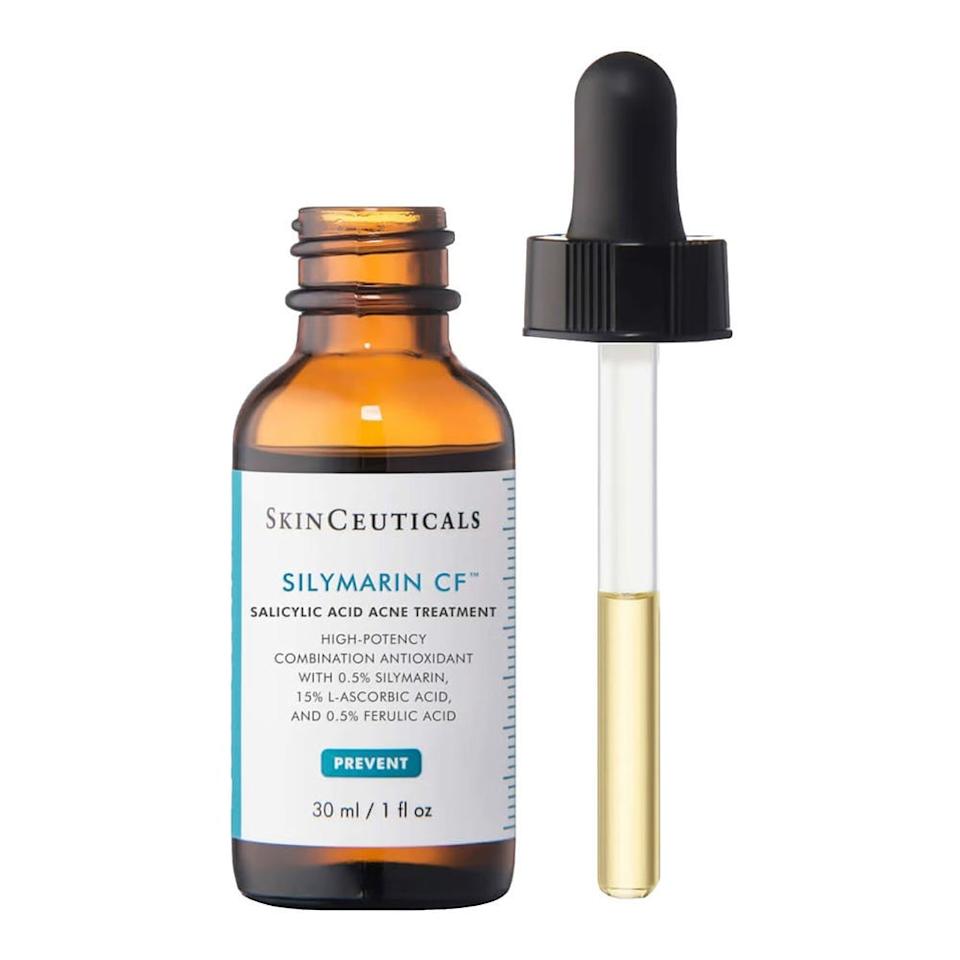
SkinCeuticals Silymarin CF
dermstore
$185.00
Skinfix Brighten + Firm 15% Vitamin C Serum
Certain forms of vitamin C can be irritating if you have sensitive skin or are using other potent actives like glycolic acid and retinoids, but Skinfix’s new formula combines efficacy with a gentle formula so that vitamin C can be used by everyone.
I personally love the texture—it’s like a milky serum with no sticky or tacky afterfeel, and it’s even a bit hydrating. And like all good vitamin C’s, this baby contains ferulic acid as well as plumping peptides.
I have been using it every morning under ZO Skin’s new peptide serum, Rx azelaic acid cream, and Rx benzoyl peroxide, and I haven’t experienced any irritation. What have I experienced? More glow and a brighter, more even-toned skin.
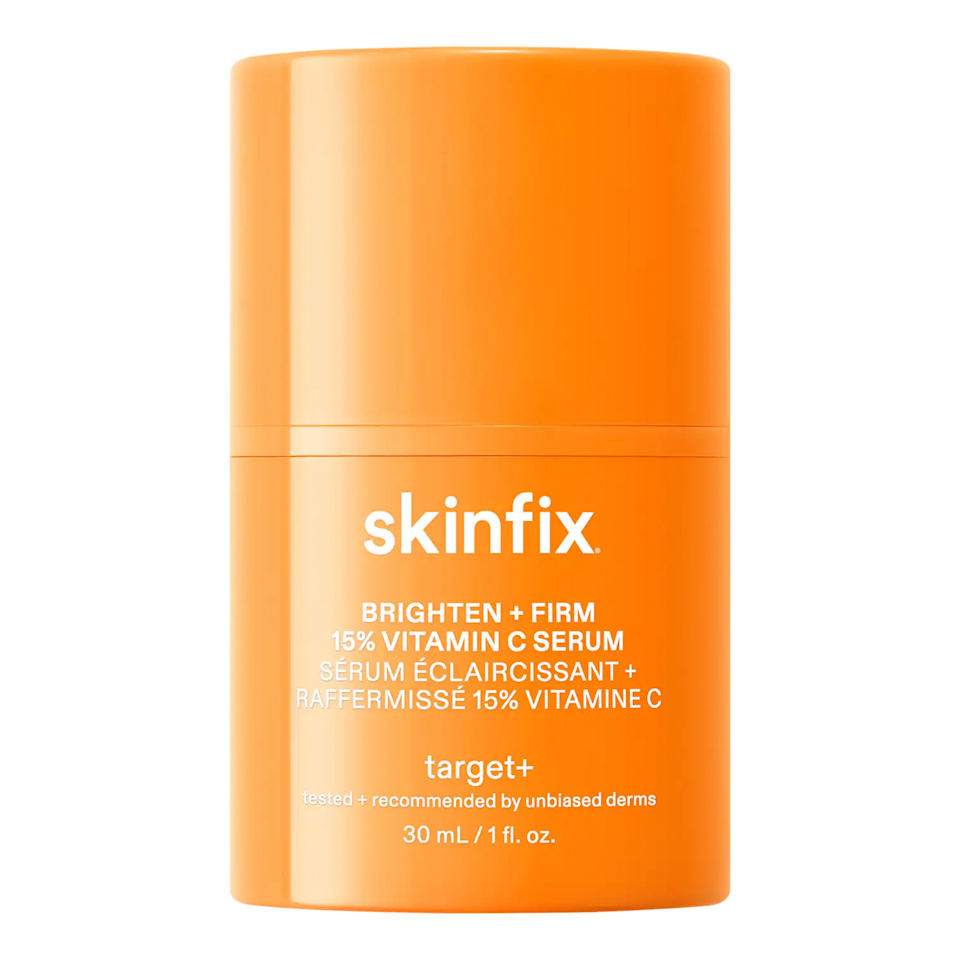
Skinfix Brighten + Firm 15% Vitamin C Serum
sephora.com
$69.00
Skinbetter Alto Advanced Defense and Repair Serum
This vitamin C serum is definitely on the pricey side, but the formula is truly as effective and science-backed as they come. The gentle, oil-free formula combines a stable form of vitamin C (tetrahexyldecyl ascorbate) with vitamin E and 17 additional antioxidants to decrease redness and discoloration.
I’ve used this on my acne-prone skin with zero issues. I actually find it helps calm down redness and patchy discoloration. In the summer, I like using this under water-resistant sunscreen with SPF 50 on days that I’m exercising outside. It’s been incredibly helpful at protecting my skin from environmental damage.
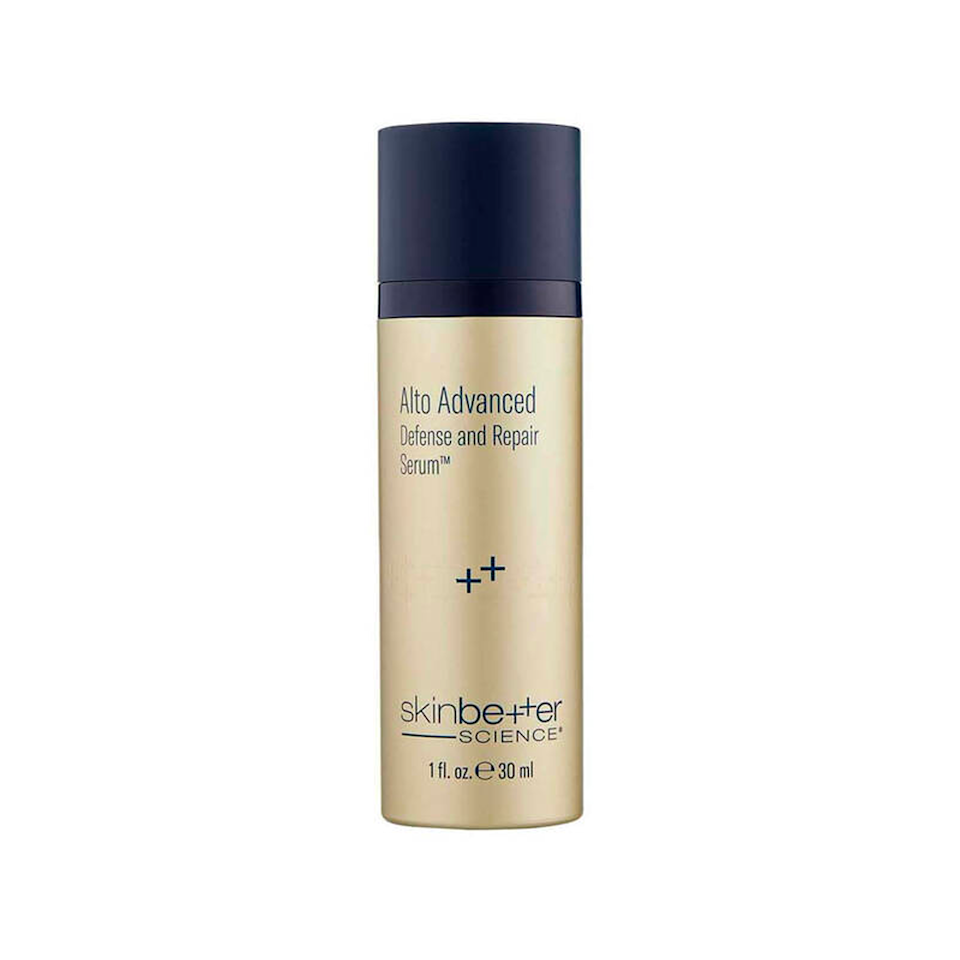
Skinbetter Alto Advanced Defense and Repair Serum
skinbetter.com
$195.00
Neutrogena Collagen Bank 15% Vitamin C Face Serum
There are plenty of drugstore vitamin C serums to choose from, but this one from Neutrogena feels the most cosmetically elegant and has the most impressive ingredient profile, too. The texture is lightweight and fast-absorbing, so there’s no weird residue. And the addition of collagen-building peptides and exfoliating PHAs (they’re considered a gentler form of AHAs) makes this great for anyone who is seeing early signs of aging and wants to improve skin texture and tone.
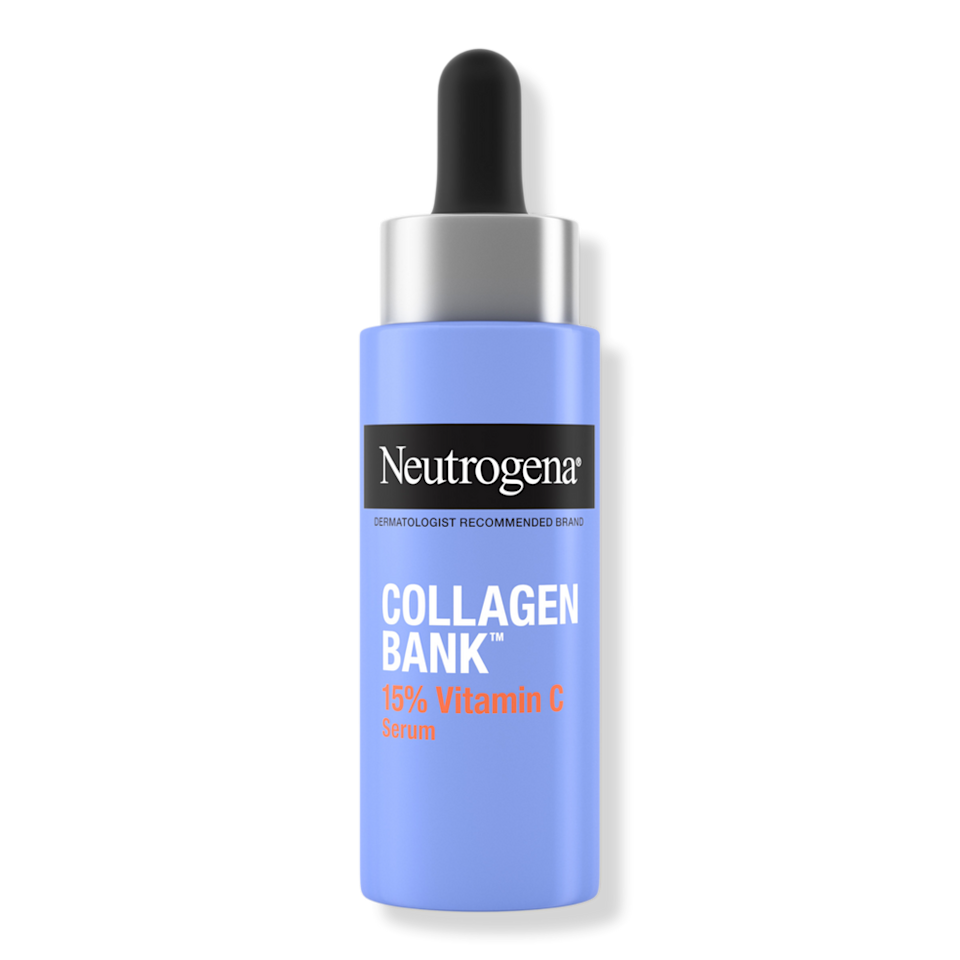
Neutrogena Collagen Bank 15% Vitamin C Face Serum
ulta.com
$25.99
Maelove Glow Maker
Fellow beauty editor Beth Gllette turned me onto this vitamin C serum from Maelove. The formulation is oil-free (which congestion-prone skin loves) and uses the ideal combo of L-ascorbic acid, ferulic acid, and vitamin E to help slowly fade acne scars and fight off free radical damage and pollution that can lead to fine lines. It’s also shockingly affordable at less than $35 a bottle.
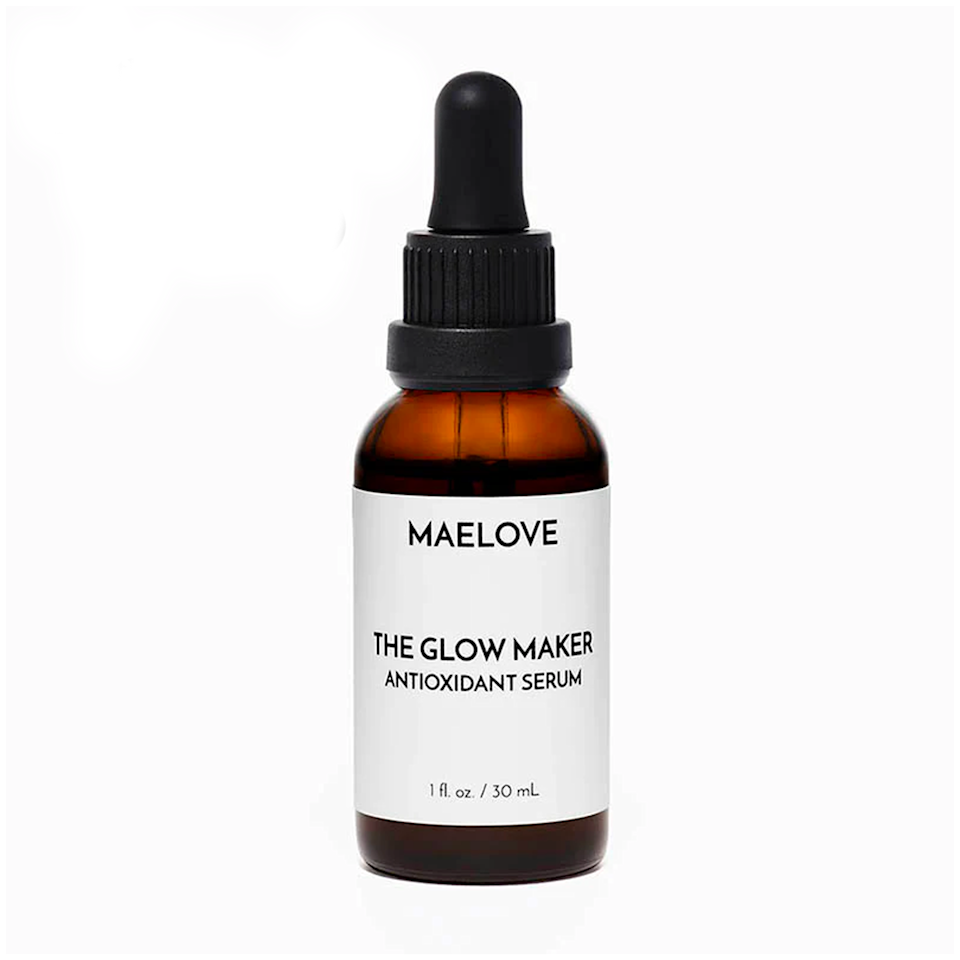
Maelove Glow Maker
maelove.com
$32.95
What are the benefits of using a vitamin C serum?
Vitamin C has many skin benefits. It inhibits the production of excess melanin in your skin, which, in turn, helps prevent and fade acne scars, melasma, and dark spots. Vitamin C also plays a critical role in the formation of collagen, so it’s also able to smooths fine lines and wrinkles over time, says dermatologist Shari Marchbein, MD.
Not only that (told you to brace yourself), but vitamin C has antioxidant properties that help prevent free-radical damage from things like UV and pollution to keep your skin healthy and glowy, says Dr. Marchbein. In fact, using a vitamin C serum can actually make your sunscreen work better, so applying one every morning is ideal in order to protect your skin from harmful sun damage, explains Dr. Marchbein.

Courtesy Image – Hearst Owned
What is the most effective type of vitamin C?
Dermatologists says the best vitamin C serums contain one of the seven commonly used forms of vitamin C, below. Dr. Marchbein breaks it down:
L-Ascorbic Acid: The most powerful and well-studied form of vitamin C. While very effective, it may be too strong for those with sensitive skin. Plus, it’s unstable so if it’s not properly packaged it can become inactive.
Tetrahexyldecyl Ascorbate (THD): A form of vitamin C that’s as potent as L-ascorbic acid, but much more very stable and less irritating to the skin.
Sodium Ascorbyl Phosphate/Magnesium Ascorbyl Phosphate: Two stable, hydrating forms of vitamin C that pair well with niacinamide.
Sodium Ascorbate/Calcium Ascorbate: Often referred to as vitamin C esters, these are two more stable and non-irritating forms of vitamin C:
Ascorbyl Palmitate: One of the least powerful forms of vitamin C, but it’s the most stable (aka least likely to break down when exposed to light or air) and a great choice for sensitive skin.

Hearst Owned
Can you use vitamin C everyday?
Absolutely, vitamin C can—and should!—be used every day, says Dr. Marchbein. “Unlike Retinoids which can be drying or irritating to the skin and require time and gradual usage for your to acclimate, vitamin C serums are typically well-formula and should be used every morning.”
The key is finding the right formula, so be sure you’re using a vitamin C serum that’s well-formulated (like the 15 on this list) and designed for your skin type. “Those with sensitive skin may do best with an emollient-based vitamin C serum where those with acne- prone or oily skin might prefer an alcohol based formula,” says Dr. Marchbein.

Hearst Owned
How to choose the best vitamin C serum:Be mindful of the packaging.
Depending on the formulation, vitamin C can oxidize (or become less effective) when exposed to light and air. To ensure your serum stays fresh and effective, choose a formula that’s housed in opaque, airtight packaging when possible.
Take a look at the percentage.
In general, vitamin C serums with 10 to 30 percent of the ingredient are more likely to be effective on dark spots and hyperpigmentation, while anything under 10 percent functions as a powerful antioxidant and will protect skin from free radical damage.
Keep an eye out for other key ingredients.
Specifically, vitamin E and ferulic acid. “Studies have shown that the effectiveness of vitamin C is increased when paired with other antioxidants, like vitamin E and ferulic acid,” says Dr. Marchbein.

Hearst Owned
Meet the expert:
Shari Marchbein, MD, is a board-certified dermatologist and founder of Niche Dermatology in New York, NY, who specializes in cosmetic and medical dermatology.

Hearst Owned
Why trust Cosmopolitan?
Lauren Balsamo is the beauty director at Cosmopolitan with more than 13 years of experience researching, writing, and editing beauty stories that range from the best skincare routine for your 30s to a comprehensive roundup of the best drugstore skincare brands. She regularly tests and analyzes new skincare products and treatments while working with the industry’s top experts to assess new brands, trends, and technologies.

Hearst Owned
You Might Also Like