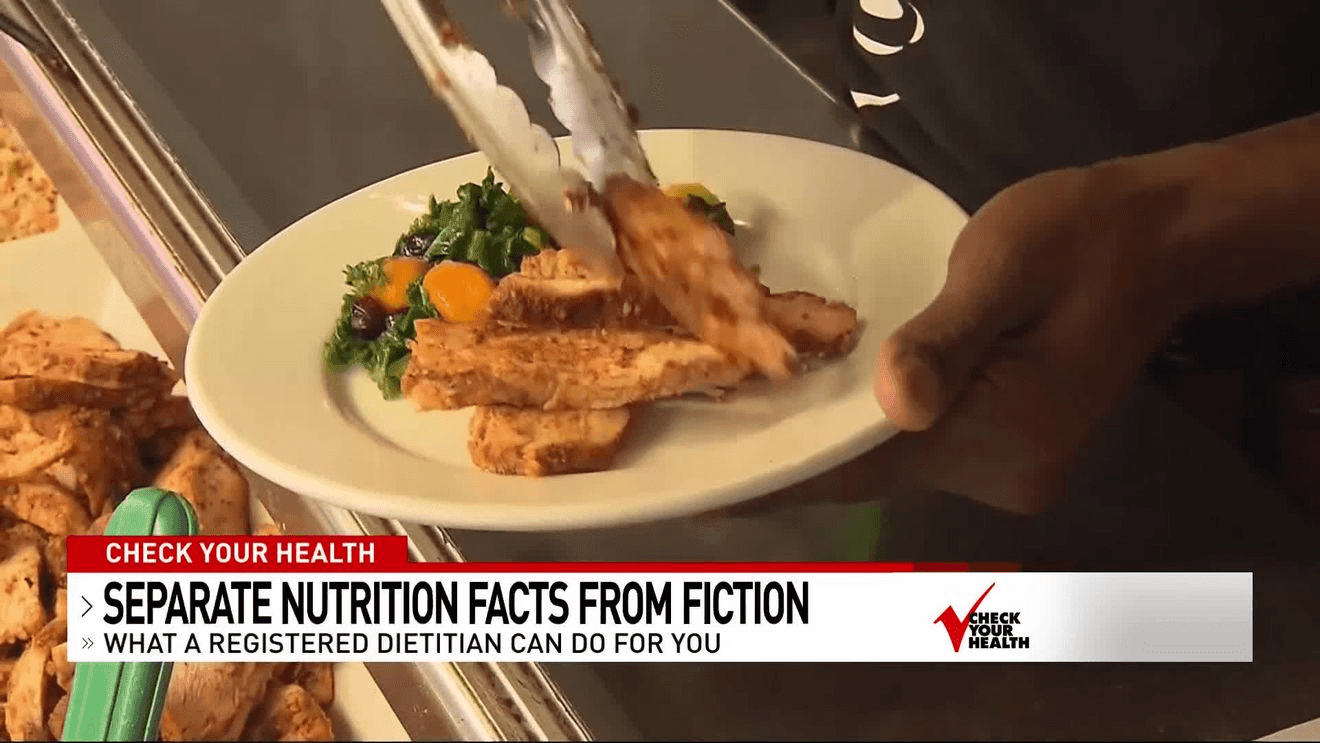
March is National Nutrition Month and March 11 is National Registered Dietitian Nutritionist Day. Understanding the power of nutrition can make a big difference in your health. When people understand nutrition principles, they know how to make quality food and beverage choices, and when many people do that, it can help a whole community healthier.
With all the nutrition advice circulating out there it can be difficult to separate what is fact and what is fiction, when it comes to nutrition. Registered dietitian nutritionists are the most qualified to provide evidence-based nutrition advice backed by research and science.
A registered dietitian nutritionist:
Has an undergraduate or graduate degree in nutritionHas completed a one-year internship,Has passed a national examDoes continuing education to maintain their credentials
The title “dietitian” is only used by a person who meets these stringent requirements. The title “nutritionist” is not defined—anyone can call themselves a nutritionist.
Registered dietitians are respected across multiple industries and are hired to work in hospitals, clinics, public health, the food services, manufacturing, and restaurant industry, or to do nutrition research or teach at colleges and universities.
Registered dietitians consult with you to create a customized or individualized nutrition plan based on your age, medical history, health conditions, and desired health goals. They can help you know how to improve your health or chances for longevity by making lifestyle changes and forming new habits to improve your nutrition status.
Registered dietitian nutritionists can provide nutrition counseling for:
1. People with health conditions
Registered dietitians provide nutrition counseling to help people prevent or manage chronic disease or health conditions such as prediabetes, diabetes, heart disease, kidney disease, gastrointestinal conditions, cancer, malnutrition, osteoporosis, eating disorders or concerns about body image.
Many registered dietitians have additional certifications to help people with common chronic diseases.
2. People who want to manage their weight
Registered dietitians provide body composition analysis and education. They can help you make lifestyle changes in your diet by helping you form good habits. They provide nutrition strategies to help if you’re taking GLP-1 medications for diabetes or weight loss. They can design meal plans for you.
3. People who want to optimize their nutrition for sports performance
Registered dietitians help everyday athletes know how to fuel their bodies for specific sports results and how to fuel for recovery afterward. They also provide hydration strategies and offer guidance about nutritional supplements.
4. People with unique nutrition needs
Registered dietitians help you understand your unique nutrition needs when you are pregnant, breastfeeding or are going through fertility treatments or menopause. They also help to minimize risk and severity of food allergies or intolerances, or genetic or metabolic conditions.
Registered dietitians also help with the unique nutrition needs of children such as infant feeding and weaning questions, growth concerns, or strategies for picky eaters.
Look for nutrition experts who have the RDN credential
If you’re unsure about a person’s credential who is giving nutrition advice, ask them about their training or see if you can verify their credentials.
Insurance coverage for medical nutrition therapy depends on the insurance company and your medical diagnosis. Contact your insurance company and ask if they cover nutrition counseling. Most Select Health insurance plans will reimburse up to five nutrition counseling visits per year for most health conditions.
Intermountain Health offers in-person or virtual nutrition counseling appointments. For more information or to find a registered dietitian, visit the nutrition services page at intermountainhealth.org