Key Points
Adding more protein to your diet as you age can help maintain muscle, support bone health, and boost immunity.Incorporate high-protein snacks, whole grains, and versatile ingredients like Greek yogurt or cottage cheese into your meals.Plan ahead by prepping protein-rich foods like lean meats, beans, or tofu to make balanced meals easier.
As our bodies change over time, so do our nutritional requirements. This is especially true of protein, a macronutrient that’s needed for satiety, muscle maintenance, and more. Specifically, our protein needs increase with age, so it’s important to up your overall intake. But this doesn’t mean you need to add protein powder and chicken breast to every single meal. We asked dietitians to share practical yet tasty ways to get more protein and why you should prioritize this nutrient as you age.
Jessica Zinn, MS, RD, CDN, CDCES, registered dietitian at Northwell’s Lenox Hill Hospital
Amanda C. Sawyer, MS, RD, LDN, registered dietitian, associate professor, and program director of the MPH-Nutrition and Dietetics Program at the University of North Carolina at Chapel Hill
Lauren Manaker, MS, RDN, LD, CLEC, registered dietitian at Nutrition Now Counseling
Why You Need More Protein With Age
“As you age, you gradually lose muscle mass, so increasing protein intake helps to slow or prevent this decline,” says Jessica Zinn, MS, RD, CDN, CDCES. “Aging muscles become less responsive to dietary protein, a phenomenon known as anabolic resistance,” says Amanda Sawyer, MS, RD, LDN. This means older adults need more protein per meal to stimulate the same level of muscle protein synthesis, she adds. “Adequate protein intake also supports bone health, immune function, and recovery,” says Zinn.
With that in mind, protein needs increase around the age of 40 to 50. This is especially important after age 65, which is when muscle loss accelerates, Zinn says.
How Much Do You Need?
The current recommended dietary allowance for both men and women is 0.8 grams per kilogram of body weight. But for healthy adults over 50, this increases to 1 to 1.2 grams per kilogram of body weight, says Zinn. “That said, protein needs are highly individualized and depend on factors such as age, overall health, activity level, and medical conditions. It’s always best to speak with a registered dietitian or healthcare provider to determine your specific needs,” Sawyer says.
How to Get More Protein As You Age
Check out these expert-approved tips for increasing your protein intake.
Snack on High-Protein Foods
Credit:
Jacob Fox
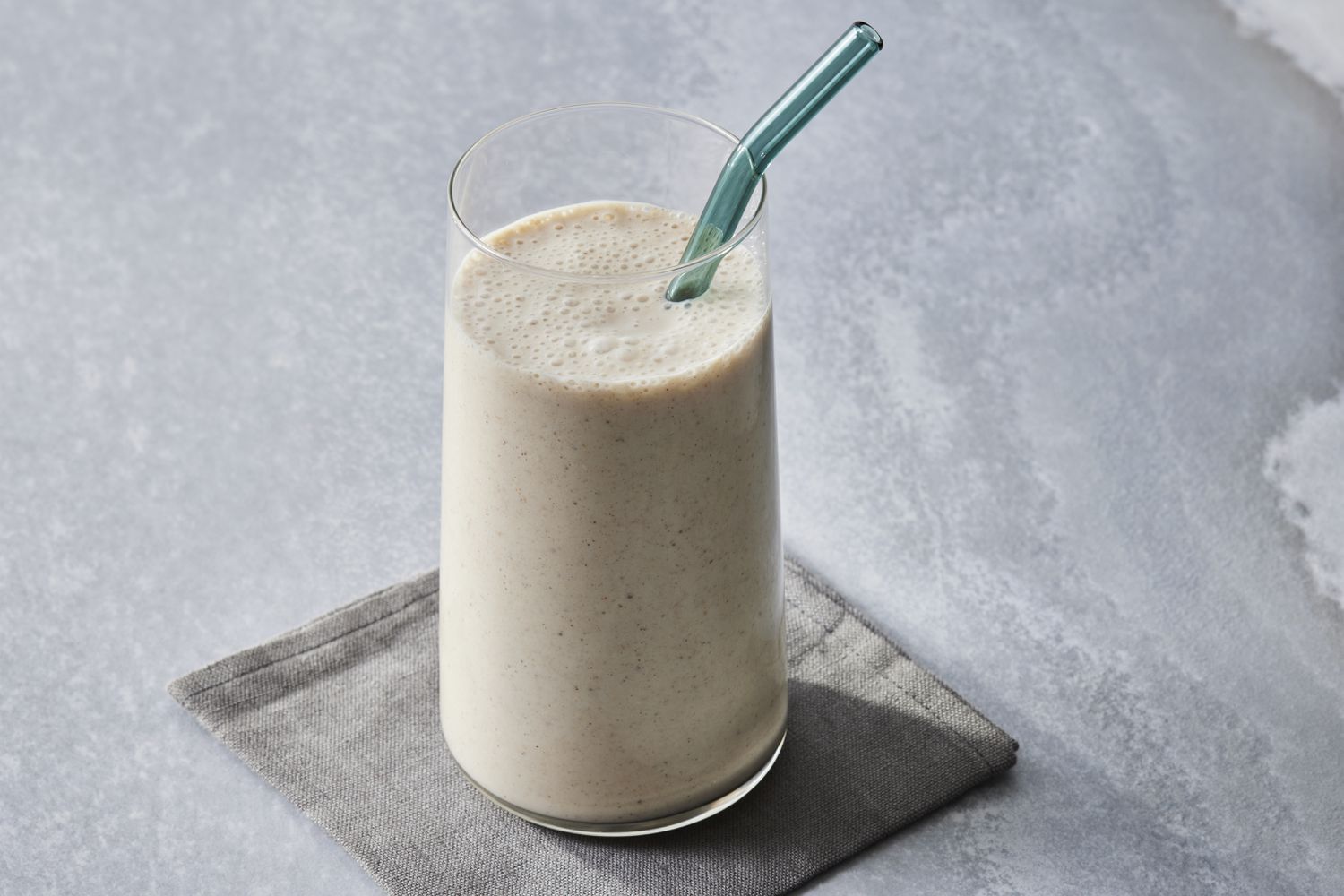
Reach for high-protein snacks throughout the day, says Sawyer. This can keep you satiated while making it easier to meet your daily protein needs. “Good options include apple slices with peanut butter, Greek yogurt with granola, cottage cheese with tomatoes, tuna or sardines with crackers, protein smoothies, or beans with sliced vegetables,” Sawyer says. “Even one protein-rich snack per day can help support muscle maintenance,” she notes.
Replace Water With Milk in Recipes
The next time you make oatmeal, smoothies, or mashed potatoes, swap the water for dairy milk. “Milk is a high-quality protein source, meaning it contains all the essential amino acids your body needs to maintain muscle mass and support overall health,” says Lauren Manaker, MS, RDN, LD, CLEC. And if you’re lactose-intolerant? Reach for lactose-free milk, says Manaker. “Lactose-free milk offers the same nutritional benefits without the lactose sugar that may cause digestive discomfort,” she says.
Use Walnuts in Sauces
Walnuts offer plant-based protein and omega-3 fatty acids, which are important for heart and brain health, says Manaker. “A 1-ounce serving provides 4.31 grams of protein, along with magnesium, copper, and antioxidants that support bone health, immunity, and help combat chronic inflammation,” she notes.
For example, blend walnuts into a creamy pesto for pasta or roasted vegetables, or use them to thicken sauces like walnut cream sauce for grain bowls or casseroles, Manaker says. If you’re not a fan of walnuts or don’t have them on hand, try these ideas with other nuts like almonds or pistachios, which also provide plant protein.
Add Cottage Cheese or Yogurt to Meals
Credit:
Marcus Nilsson
There’s a reason why everyone is so obsessed with cottage cheese and Greek yogurt these days. Both are high in protein and easy to incorporate into recipes. One-half cup of cottage cheese contains about 13 grams of protein, while one-half cup of Greek yogurt contains 12 to 14 grams of protein, says Zinn. Try adding cottage cheese to omelets, pancakes, dips, or pasta for a boost of protein. Meanwhile, Greek yogurt will shine in smoothies and sauces. You could even use it as a “frosting” on baked goods or on top of tacos and soups, just like you would use sour cream.
Swap Refined Grains for Whole
Credit: Linda Xiao
One of the simplest ways to get more protein as you age is to replace refined carbs (think white pasta or bread) with whole-grain options. Examples include brown rice, whole grain bread, and quinoa. “Whole grains contain some protein and help to boost your meal,” says Zinn. For example, white bread contains 2.57 grams of protein per slice, while multi-grain bread offers 3.48 grams per slice. You can also try high-protein bread, which can contain about 10 grams of protein per slice. When used as a sandwich base, this option will give you a whopping 20 grams of protein, says Manaker.
Prepare Protein in Advance
Credit: Kate Sears
Meal prep is your friend when it comes to nutrition goals. Preparing protein ahead of time makes it easier to build balanced meals during busy weeks, notes Sawyer. “Consider versatile options like grilled chicken breast, lean turkey, canned fish, ground turkey, chicken sausage, meatballs, tofu, tempeh, or beans,” says Sawyer. Preparing a protein-rich lunch can be especially helpful, as this meal is often skipped or rushed, but plays an important role in maintaining energy and focus throughout the day, says Sawyer.
Consider Protein Supplements
If you’re struggling to meet your protein needs through food alone, nutritional supplements (i.e., high-protein ready-to-drink shakes) can be helpful. “These products provide concentrated protein, calories, and vitamins,” says Sawyer. When used appropriately, they can help support healing, energy levels, and prevent malnutrition, she notes. Check with your healthcare provider to determine how much (and how often) to consume, and if you need them to begin with.