The global wellness economy is now worth over $5.6 trillion.
Within that, the health and fitness club market alone is projected to reach $172 billion by 2030. In the UK, 11.5 million people hold gym memberships, roughly 1 in 6 adults. Young people are the biggest contributors to this. Millennials and Gen Z account for around 80% of paying fitness consumers.
Alongside this, we are witnessing the rapid growth of fitness influencers. People are documenting their fitness journeys across social media and building audiences. Fitness influencers now drive communities, events and digital products in a market expected to exceed $3.1 billion by 2033. At the same time, around 80% of gym members now use wearables or digital fitness tools, showing how closely training and technology are now linked.
What we’re seeing is the evolving role of fitness professionals.
Trainers are becoming creators.
Coaches are becoming educators.
Athletes are becoming media brands.
And increasingly, they are building intellectual property around their own methods.
The fitness industry has been built on guidelines, fitness plans and goals. If you follow a plan/programme/complete X number of reps, you’ll recieve X result.
Today, the model is changing.
People no longer just want workouts. They want understanding.
They want to know:
Creators are responding by turning their lived experience into products: programmes, communities, and educational content that help others follow the same path.
A good example of this is Michael Mane.
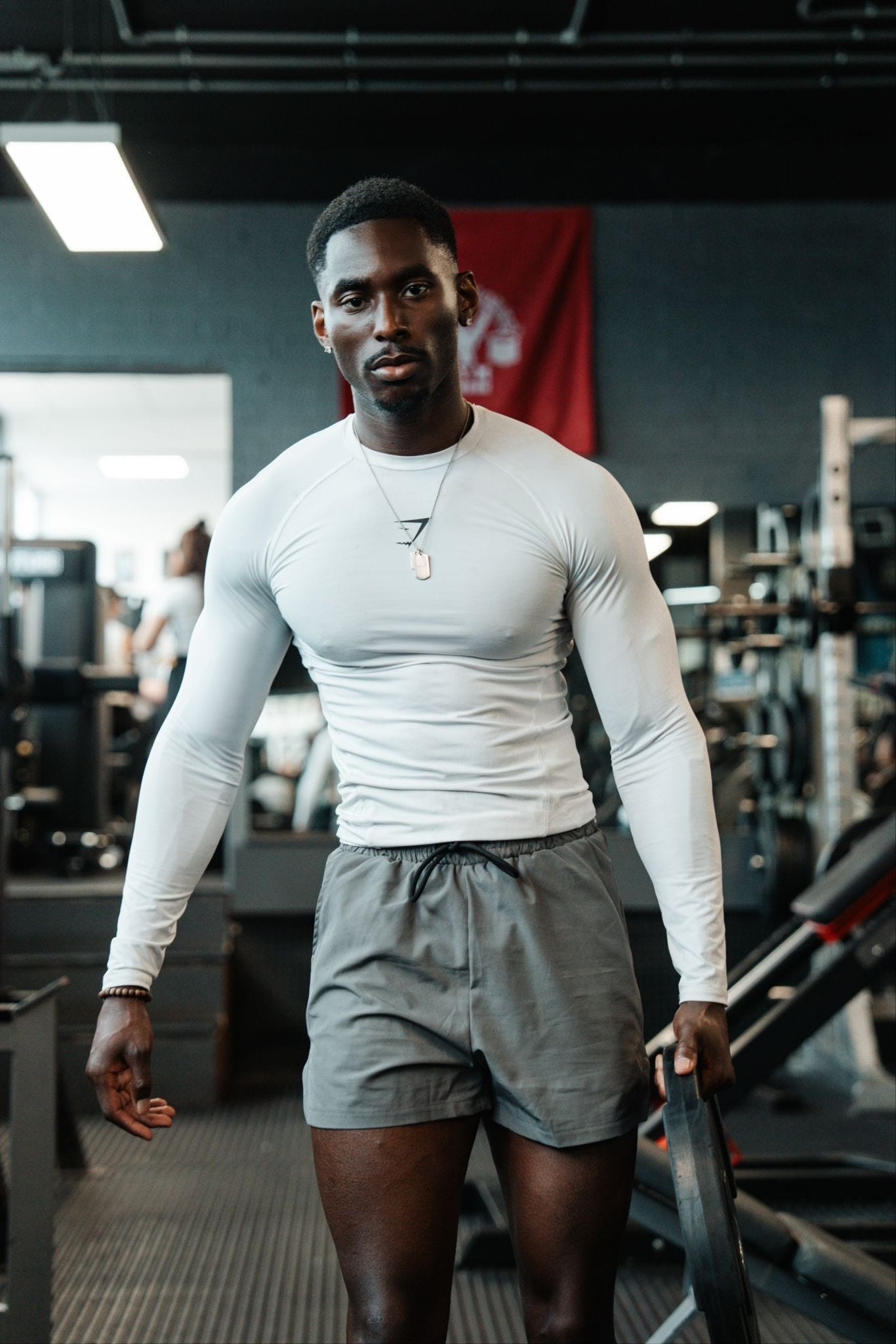
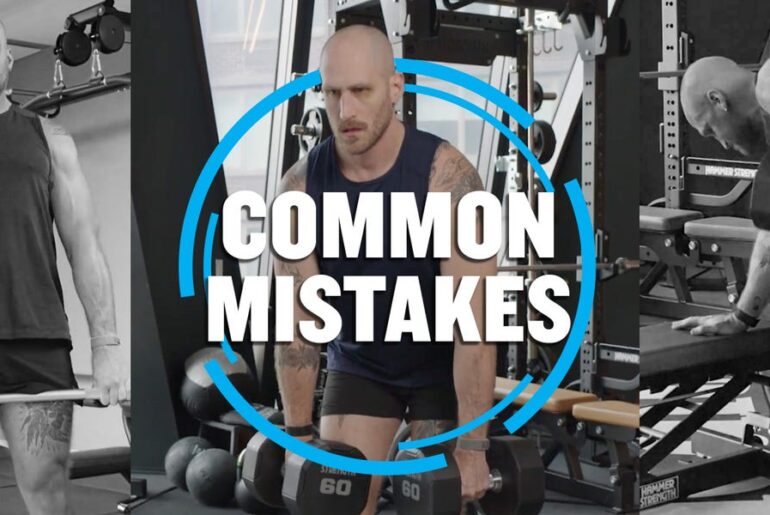
Michael is a growing fitness creator who produces weekly content on fitness, motivation, and fashion. His audience is still early in its journey, around 1.4k followers on TikTok, but the direction is clear, consistent storytelling around discipline, training and lifestyle.
He’s launched his first digital product. A 12-week fat loss programme designed to help people lose weight and build the discipline to keep it off.
On the surface, it’s an ebook, but zoom out, and it represents something bigger. Michael is doing what more creators across sport and fitness are beginning to do: owning his expertise.
He’s taking his personal journey, the routines, the mindset, the systems that worked for him, and turning them into a framework that others can follow.
His audience sees the journey, sees the results, and wants the same for themselves.
That’s the foundation of the modern fitness creator economy.
Fitness is a credibility-driven industry.
People don’t buy workouts.
They buy:
That’s why storytelling matters so much in this space.
When audiences understand the story behind a creator, how they train, what shaped their mindset, and what they’ve overcome, trust grows. And when trust grows, communities form.
You can already see this shift everywhere:
The emergence of running clubs and communities
Community-led fitness classes are growing.
Online audiences are turning into real-world communities.
Fitness is no longer just about training. It’s about belonging.
We’re fascinated by these kinds of stories.
Athletes, coaches, creators and founders now have the tools to build audiences and own their narratives. But doing that consistently, and in a way that grows communities, requires storytelling.
We help athletes, clubs, brands and organisations tell the stories that sit behind performance.
Stories about:
Michael’s ebook is a small but powerful example of this.
A creator documenting his journey.
Packaging his experience.
And building a community around it.
As more athletes and creators realise the value of their own knowledge and experiences, we’ll see many more stories like this emerge.
Follow Michael’s fitness journey on:
TikTok – michael_mane
Instagram – michael__mane
Enjoying this newsletter? We want to hear from you!