March 17, 2026
This piece is sponsored by Avera Health.
Food is plentiful in America, but not for everyone. And particularly the healthy foods we all need to feel our best.
March is National Nutrition Month. For Avera, nutrition has been an important health topic, especially for women and children.
“We can’t take it for granted that adults and children alike have access to healthy foods,” said Dr. Kara Bruning, an Avera pediatrician.
“More than 113,000 people in South Dakota don’t know where their next meal will come from,” said Lori Dykstra, CEO of Feeding South Dakota. “This includes one in every five children, and when a child is hungry, it affects everything: how they learn, how they grow and how they see their future. Making sure kids in South Dakota have reliable access to food isn’t just about meeting a basic need; it’s about giving them the chance to thrive.”
Over the past several years, Avera has started asking screening questions for social determinants of health at yearly checkups, and one such question is “Do you have concerns about your next meal?”
Access to healthy foods is one of numerous social determinants of health, which are non-health-care factors that contribute to health and well-being such as housing, education and transportation.
As a way to address food insecurity and its impact on health, Avera has established six clinic-based wellness pantries for food distribution, with plans to expand to additional rural communities.
Avera’s wellness pantries are funded in part by a federal Healthy Start grant through the Health Resources and Services Administration and operated in collaboration with Feeding South Dakota, Avera Research Institute and Avera’s Community Partnership program. Feeding South Dakota supplies the food through grants and generous donations, and grant funding supports some staffing for tracking and reporting.
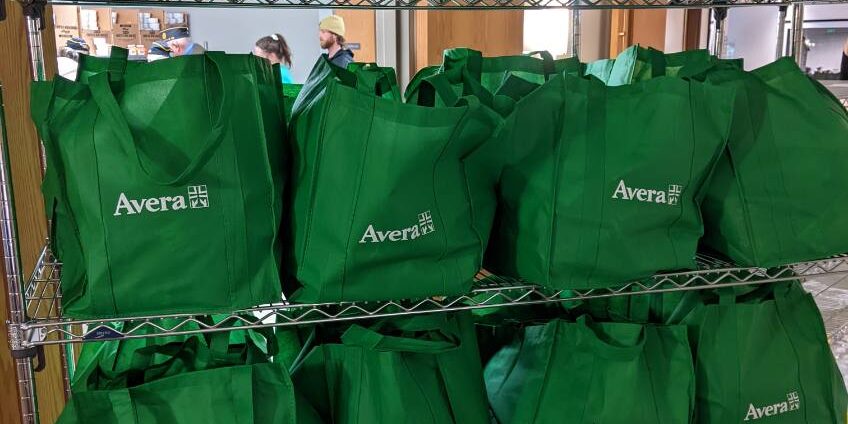
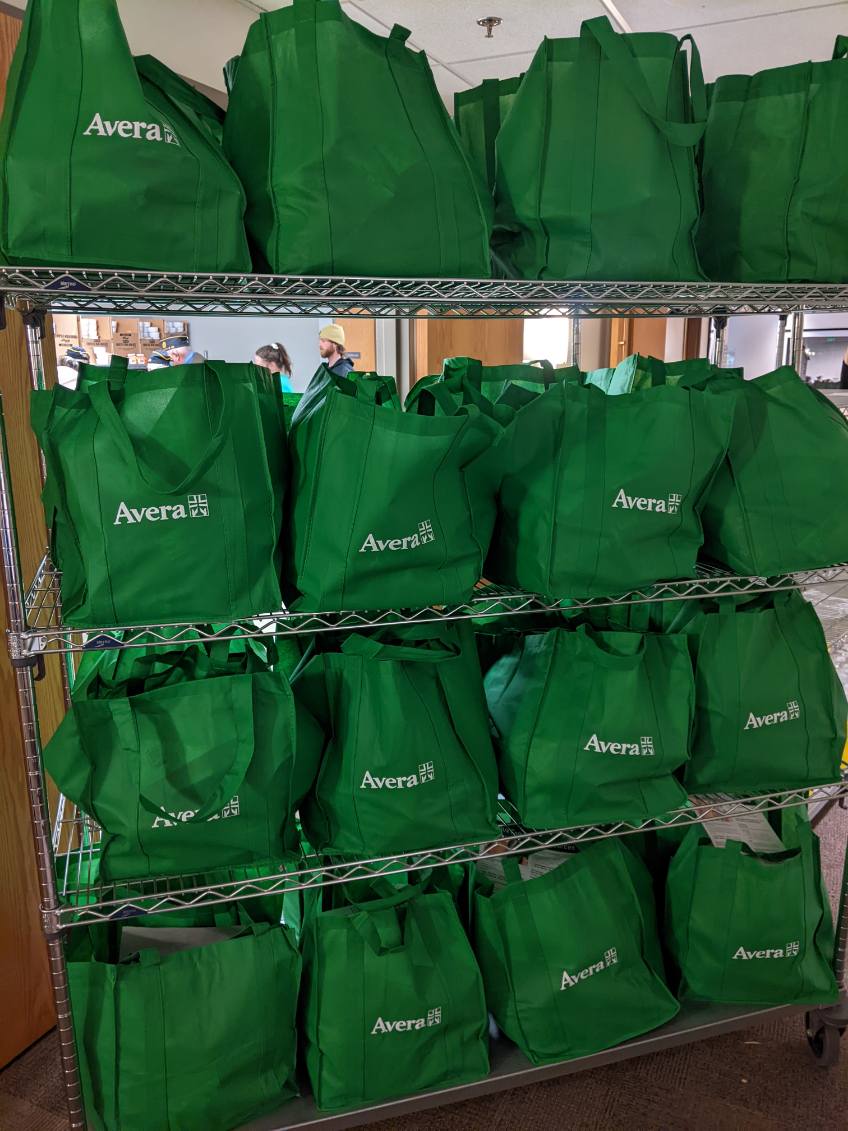
Since the inception of the program in early 2025, Avera has ordered 32,000 pounds of food from Feeding South Dakota, and more than 2,000 bags of food have been given across eight locations. These bags have impacted mostly women, children and their families.
How food impacts health
Food impacts a child’s health beginning in pregnancy. As children grow, healthy eating is important for their entire well-being. Good nutrition supports brain development, proper growth, dental health, skin, muscle and bone strength, immunity and good digestive system function.
“When a family is experiencing economic hardship, they tend to look for the least expensive options. Unfortunately, some of the cheaper options are high carb, high fat, high sodium, high sugar and less nutritious,” Bruning said, such as bags of sugary cereal, white bread and white pasta like ramen noodles and boxed macaroni and cheese.
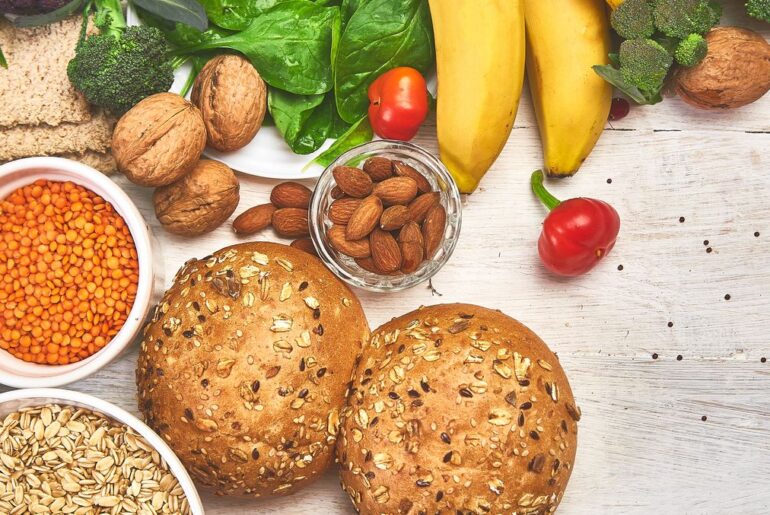
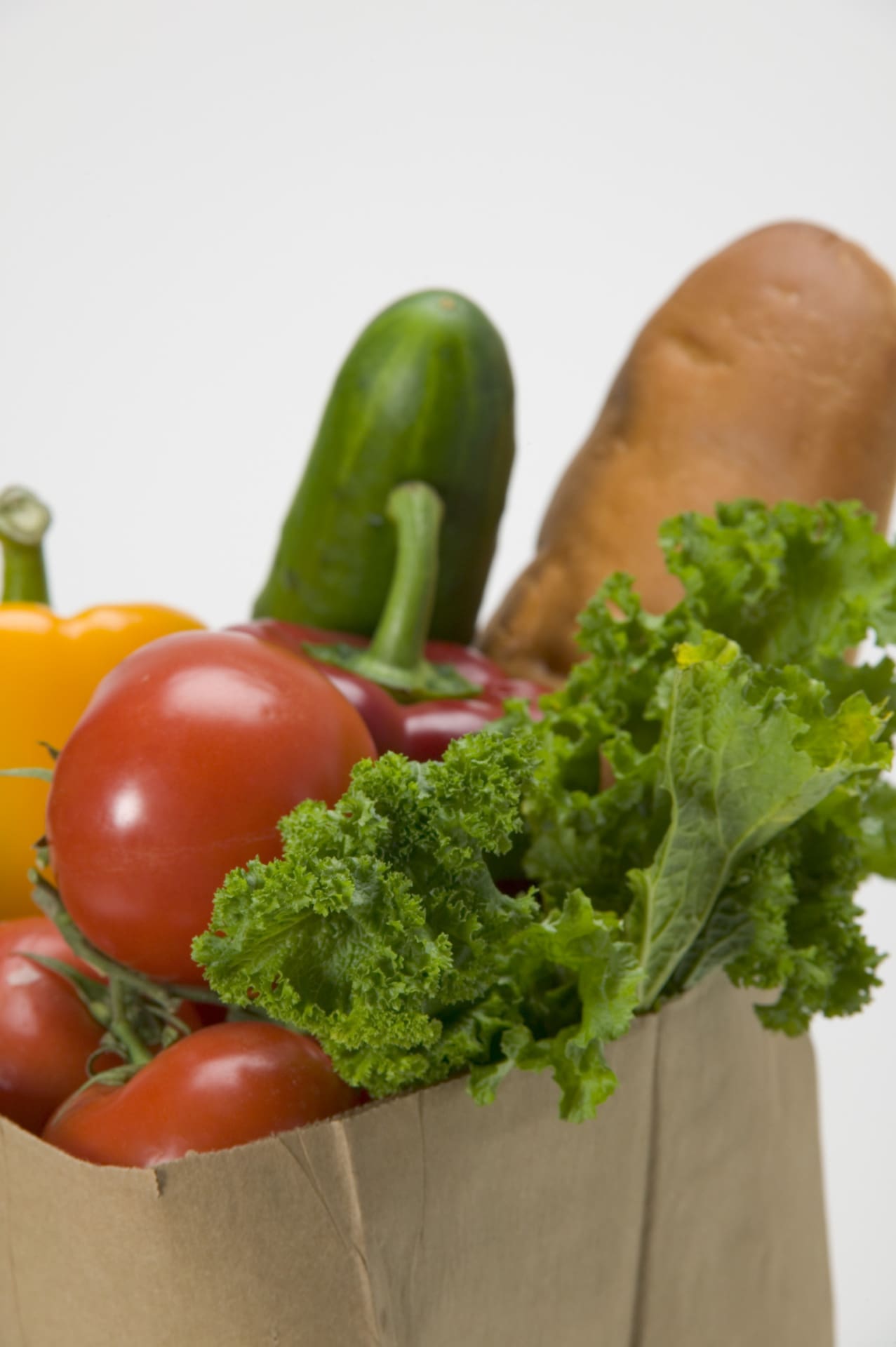
Experts recommend a diet focused on fresh, lean, nonprocessed protein choices; fruits and vegetables, preferably fresh or frozen, or canned options that are low sodium don’t have added sugar; fresh dairy products; whole grains; and healthy fats.
“If children are brought up on fast food and highly processed convenience food, it impacts their health and well-being, including their ability to learn in school,” Bruning said.
“We’re seeing more children experiencing obesity and Type 2 diabetes. Type 2 used to be limited mostly to older adults. But we’re seeing a rise in this disease among children, teens and young adults,” said Dr. Joseph Vogel, an Avera pediatrician.
“You wouldn’t think that obesity would be a sign of food insecurity, but it can be. Children can become obese when they don’t have access to healthy foods that naturally prevent obesity, along with opportunities and space for physical activity,” Vogel said.
Children with a poor diet also can experience nutrient deficiencies like anemia because of low iron, or behavioral health issues.
Recognizing food insecurity
Because food insecurity might not be readily apparent at a doctor’s visit, screening questions open the door for patients to speak for themselves in a private and confidential setting.
If someone does indicate a need for food, clinic-based pantries provide them with an emergency allocation, including shelf-stable produce, nonperishable items and dairy products that can sustain them until they can access an ongoing resource. Families also are referred to food pantry options in their community.
In Sioux Falls, wellness pantries are available for pediatric and obstetric clinics in Plaza 1 on the Avera McKennan campus, the Avera McGreevy Seventh Avenue clinic, the Community Resource Center, and Avera 69th and Cliff clinic. Pantries are also located in Pierre, Parkston and Lake Andes, with plans to expand to more rural communities in the near future. And, Avera Research Institute hosts a wellness pantry that reaches moms and children through community-based research projects.
Learn more about women’s and children’s services at Avera.