Medically reviewed by Kierra Brown, RD
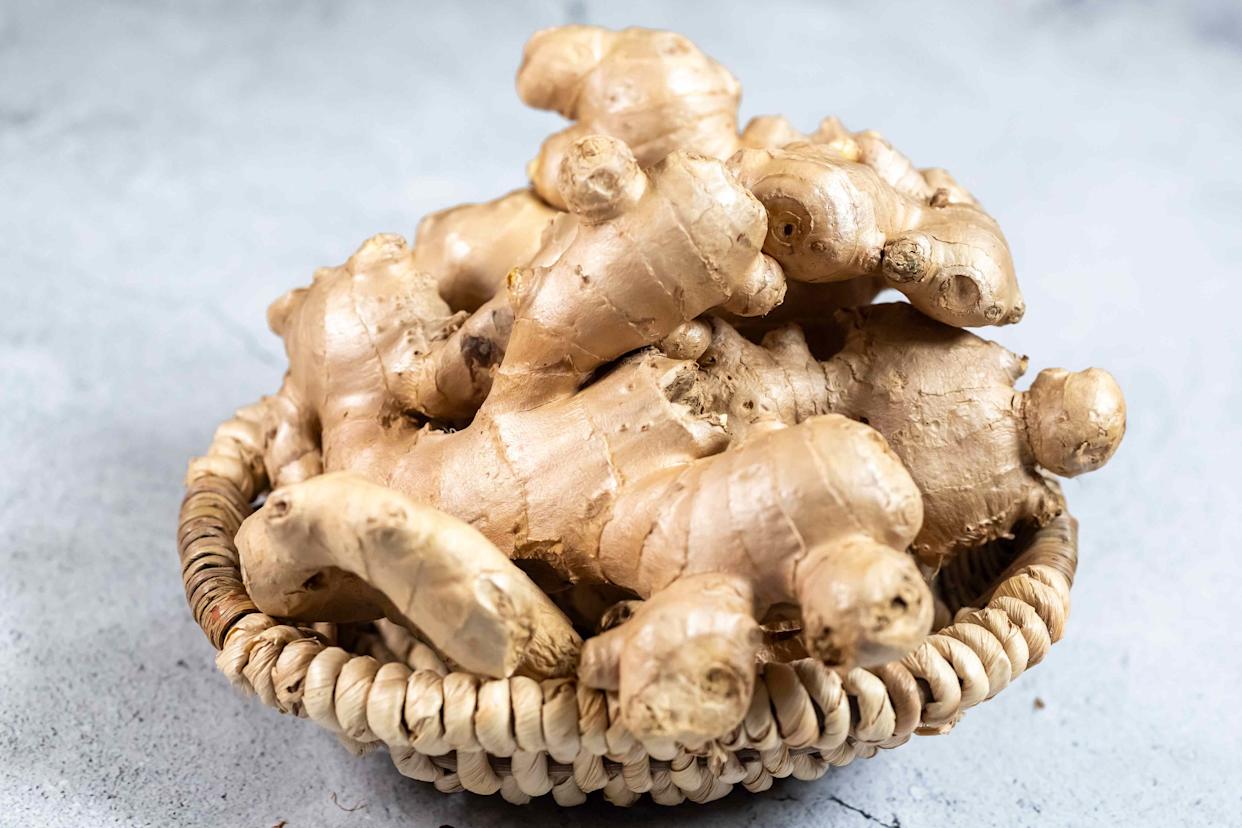
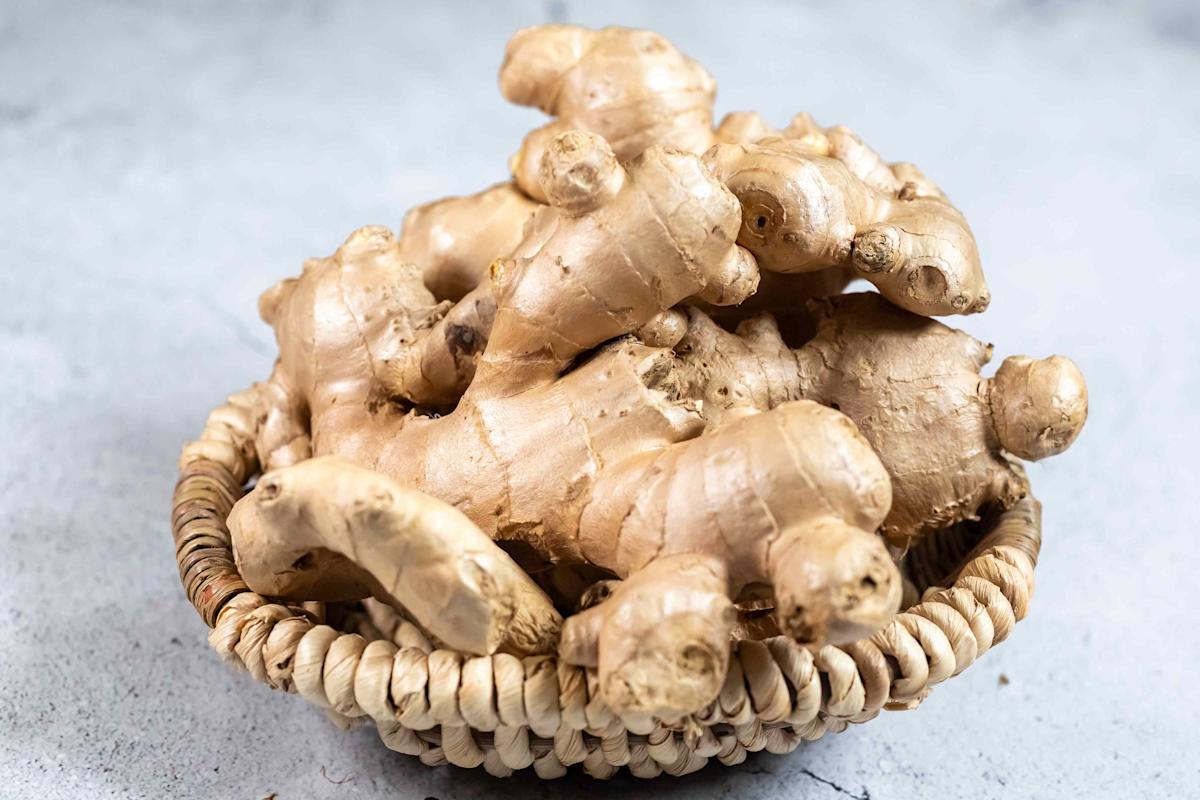
Ginger is well-known for being a food that can help boost immunity. Other foods can do it, too, though.
Credit: lacaosa / Getty Images
Garlic, citrus fruits, turmeric, and bell peppers can help your body respond more effectively against viruses and other germs.
Fermented foods, mushrooms, leafy greens, and fatty fish provide nutrients that help the immune cells work properly.
Eating a variety of nutrient-rich foods combined with other healthful habits can help give your immune system the best support.
Ginger is known for helping the immune system. However, if you’re not a fan of ginger or just want another dietary option to boost immunity, here are other foods that can have similar effects.
1. Garlic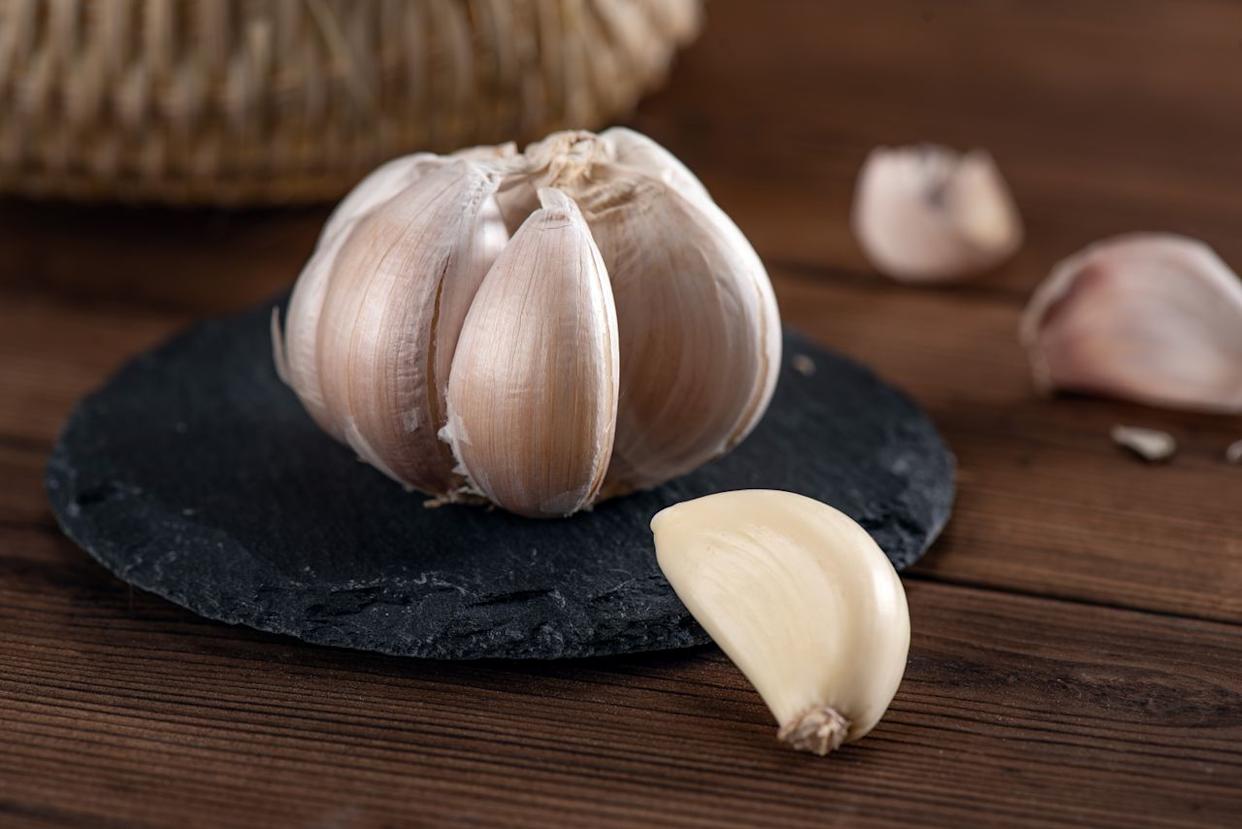
Credit: wu Dean / 500px / Getty Images
Researchers have long studied how garlic helps the body fight viruses, especially influenza A and B, rhinovirus, and viral pneumonia. Garlic’s natural sulfur compounds, such as allicin, can interfere with how viruses attach to cells and multiply, which may help keep infections from becoming more severe.
Garlic may also help decrease inflammation and protect cells from damage, which can be helpful when your body is fighting an illness. Including garlic in your diet regularly has been linked to better responses during viral infections, though it’s not a treatment on its own.
2. Citrus Fruits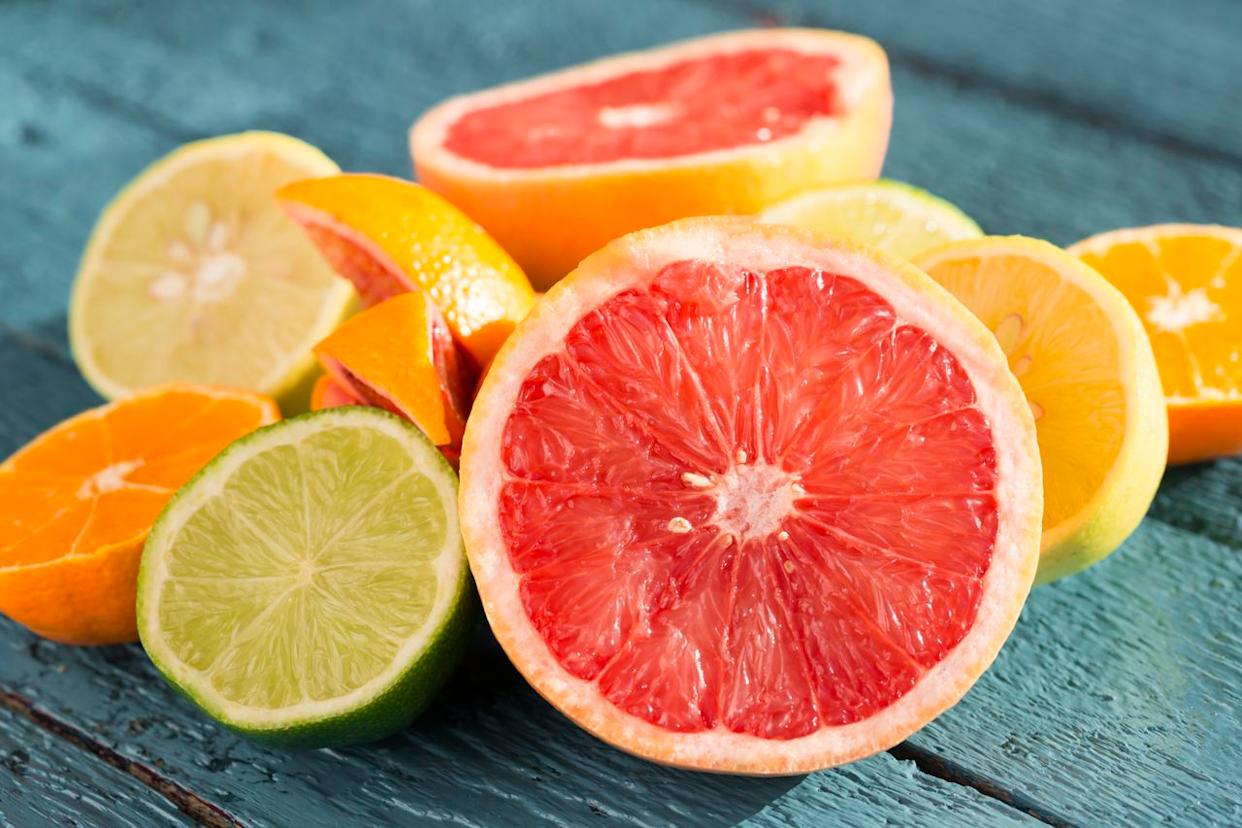
Credit: lacaosa / Getty Images
You may already know that citrus fruits are rich in vitamin C. These fruits also provide folate, which, along with vitamin C, can strengthen the body’s defenses against germs and keep certain immune cells functioning properly.
When you get a cold, vitamin C can help reduce how severe symptoms become and shorten the most intense phase. Citrus fruits also contain plant compounds, such as hesperidin, that help reduce inflammation in the body. Research has shown that people who drink orange juice daily for several weeks have lower levels of inflammatory markers like C-reactive protein.
Citrus fruits include:
3. Yellow, Orange, and Red Bell Peppers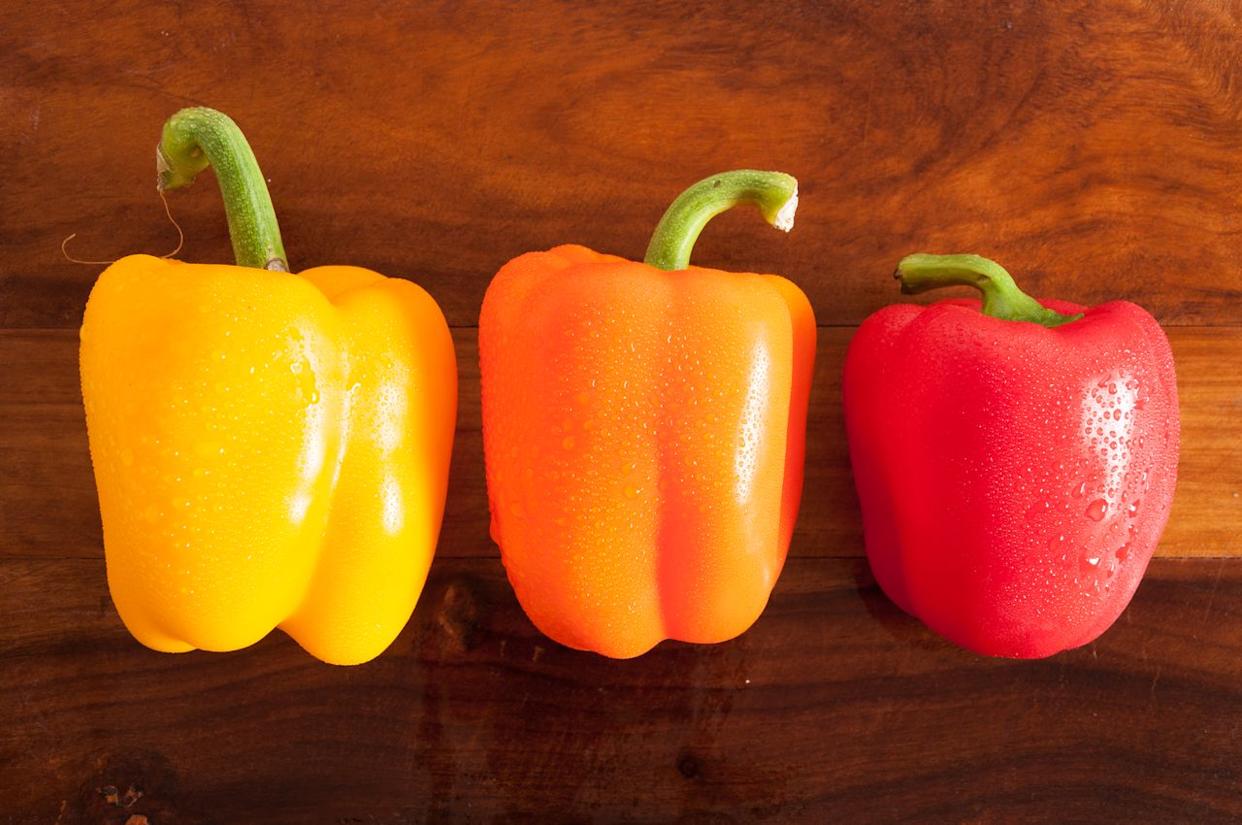
Credit: Flavio Coelho / Getty Images
If citrus fruits are your main source of vitamin C, you may be missing out on foods with even higher amounts of this nutrient. Yellow, orange, and red bell peppers contain more vitamin C per serving than an orange, which can help white blood cells work more efficiently when your body is fighting an infection.
These colorful peppers also provide beta-carotene, which the body converts into vitamin A. Vitamin A helps keep the skin and the lining of the nose and throat healthy, forming a protective barrier against germs.
4. Turmeric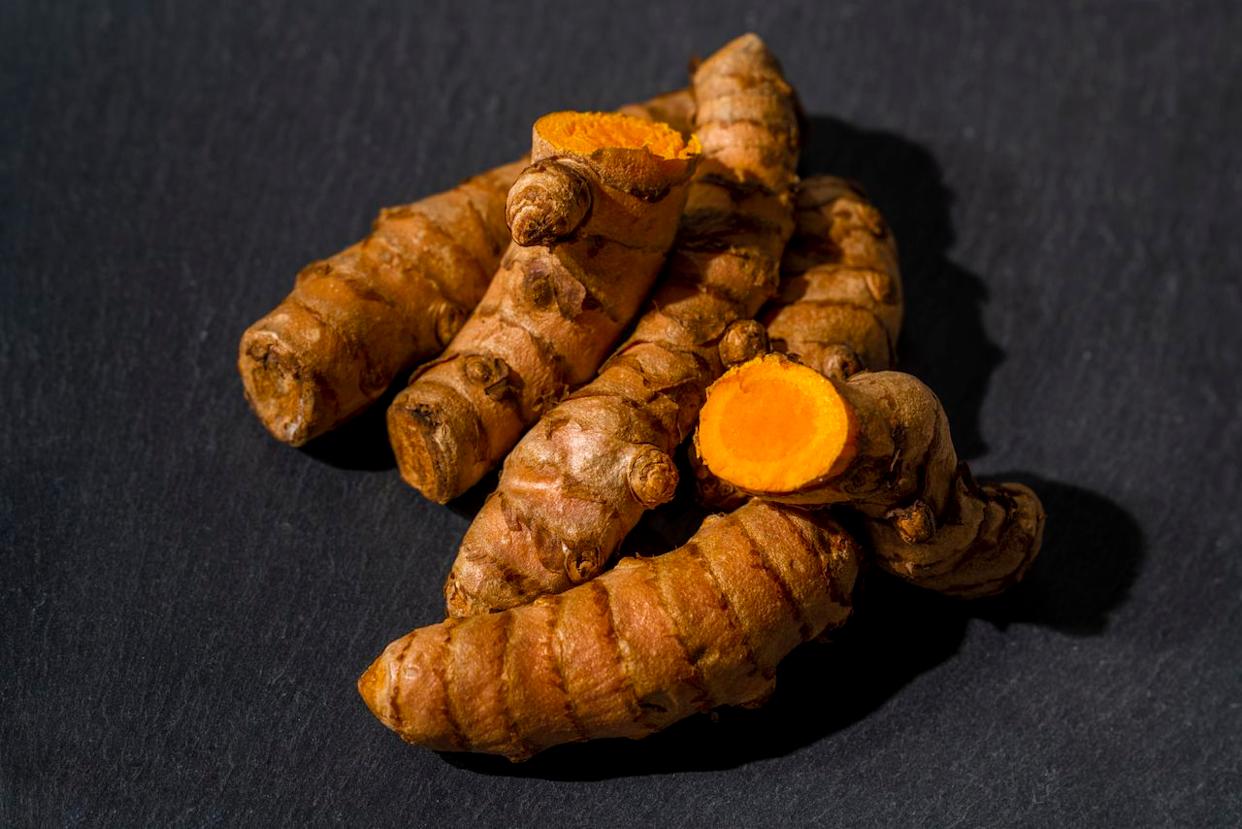
Credit: Javier Zayas Photography / Getty Images
Often called ginger’s “cousin,” turmeric gets its bright yellow color from curcumin, the compound responsible for most of its health effects. Curcumin can reduce inflammation and may help the body respond better to certain viral infections.
In one study, people who took curcumin supplements while getting their COVID-19 vaccines produced significantly more antibodies than those who didn’t. Antibodies are proteins your body makes to protect you from foreign substances, like bacteria and viruses.
Curcumin may also interfere with how viruses multiply and help certain immune cells, like B cells and T cells, work more efficiently.
5. Fermented Foods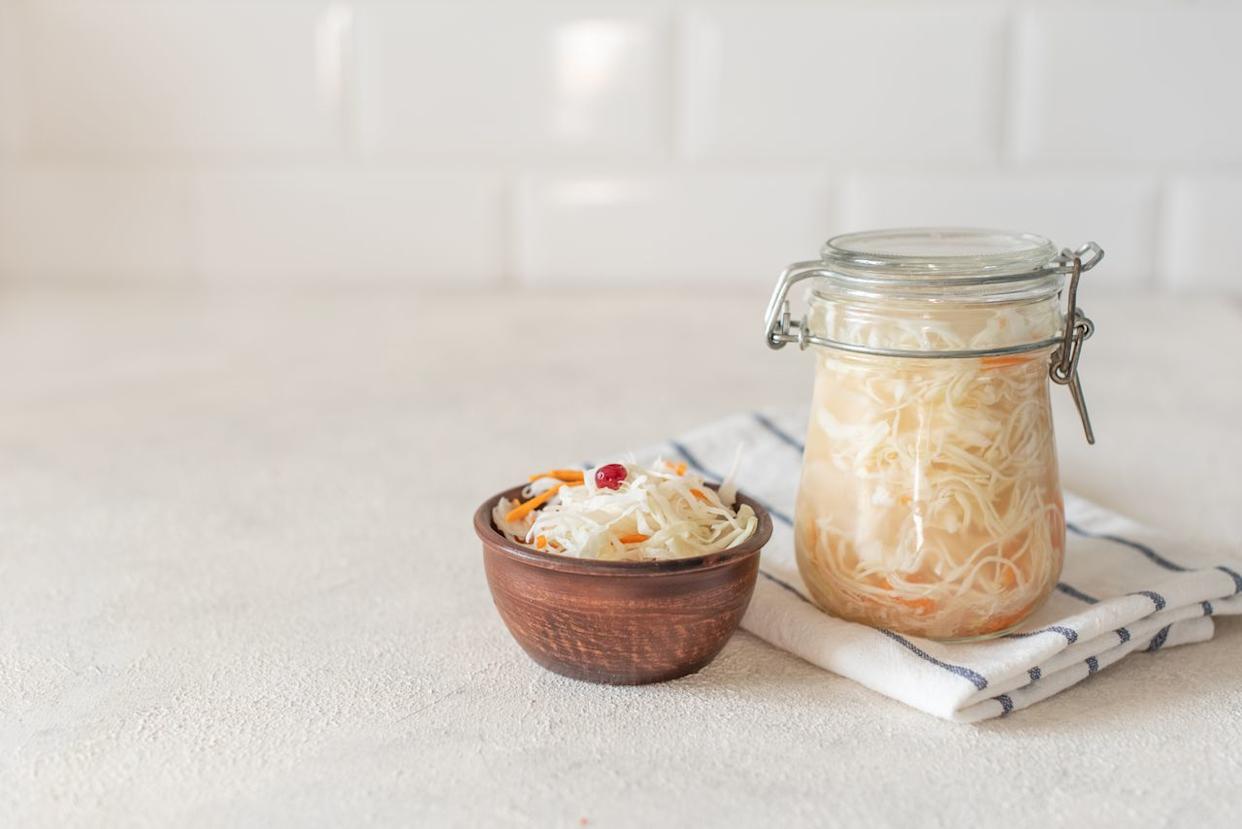
Credit: Kseniya Ovchinnikova / Getty Images
A large portion of your immune cells live in your gut, which is why fermented foods can have such an impact on how well your body fights infections. Probiotics, which are the beneficial bacteria in fermented foods, can keep the gut lining strong and help the immune cells work more effectively.
Fermented foods include:
Research shows that certain probiotics from kimchi and yogurt can help fight viruses like influenza and rotavirus. Kefir, in particular, may also help increase antibodies while keeping inflammation from worsening during illness.
6. Mushrooms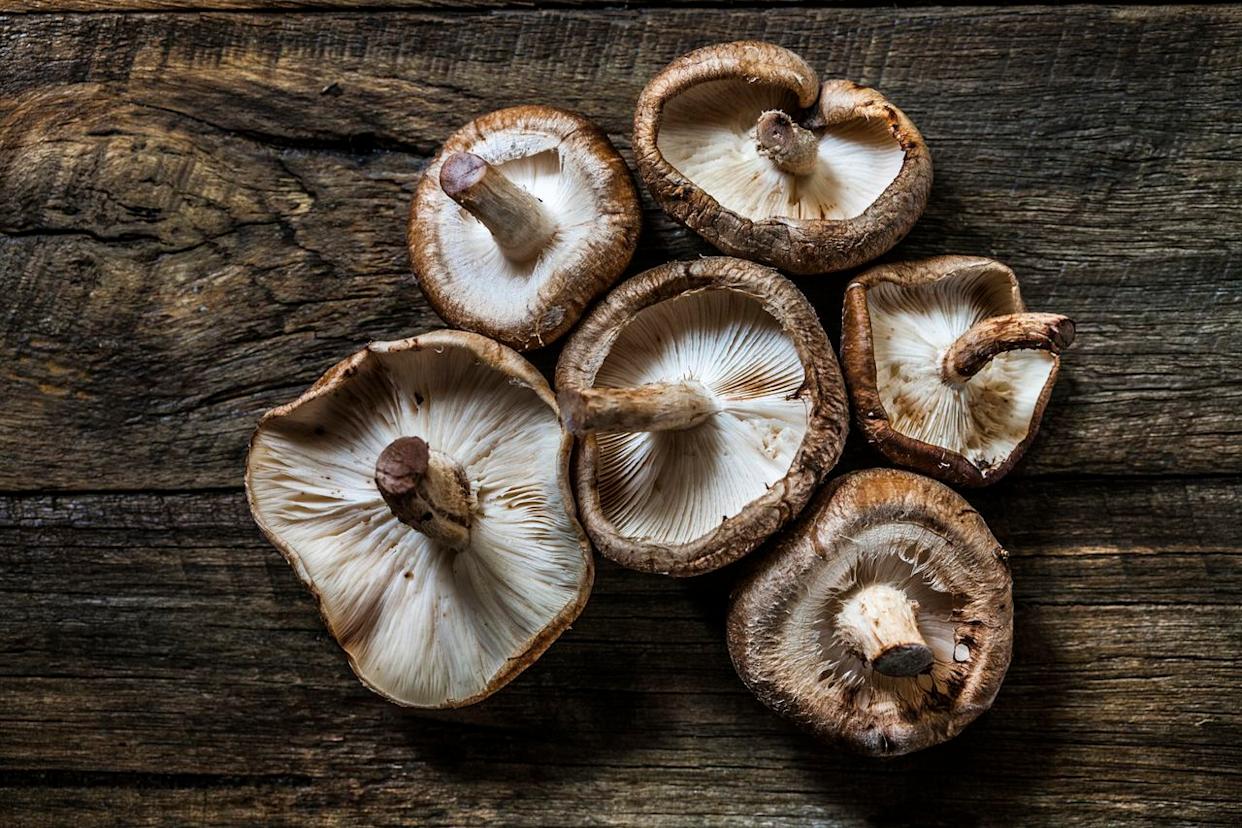
Credit: Enrique Díaz / 7cero / Getty Images
Mushroom varieties like shiitake can help fight flu viruses by blocking how viruses attach to cells and multiply. Much of this benefit comes from beta-glucan, a compound that activates certain immune cells, especially natural killer cells and T cells, to help them respond more effectively during infection.
Mushrooms also provide selenium and B6 vitamins, which your body needs to produce antibodies and keep the immune cells functioning properly. Without enough B6, your ability to make antibodies and mount a strong immune response can decrease.
7. Leafy Greens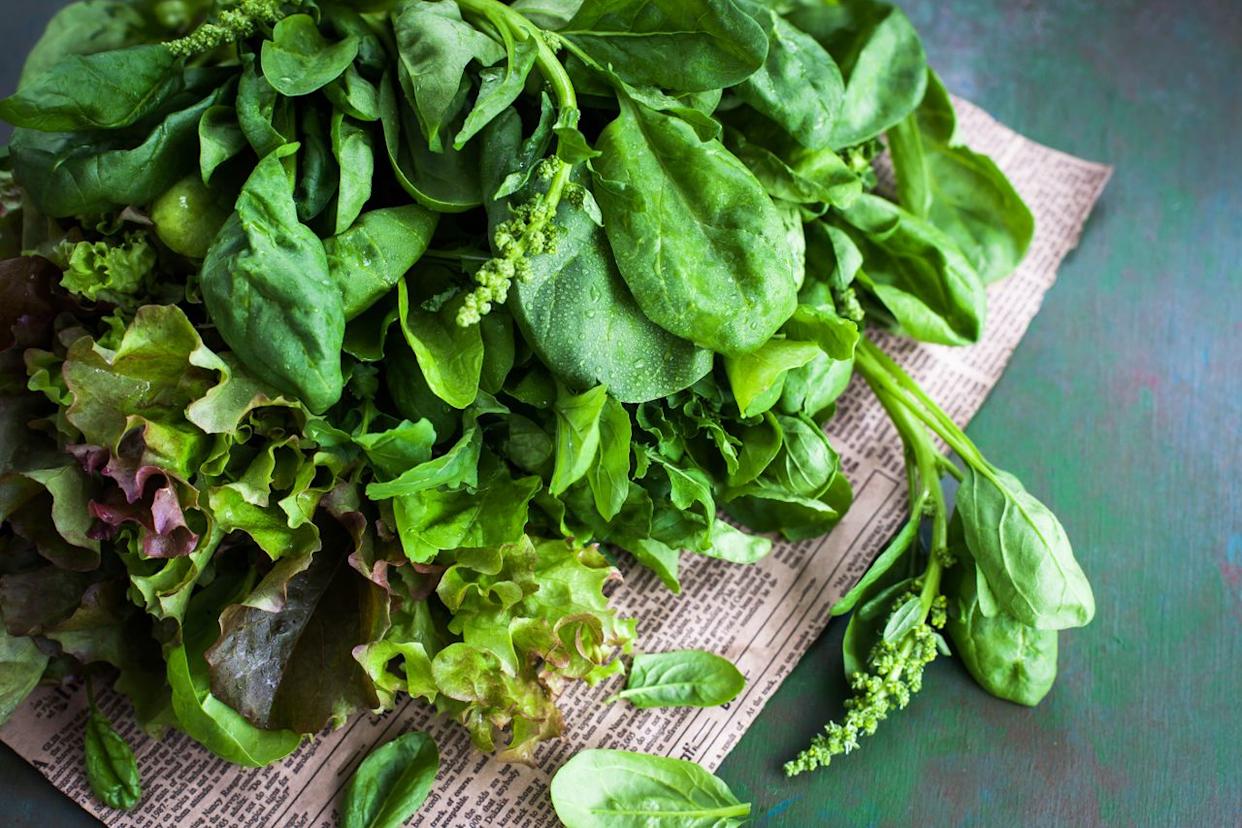
Credit: Ekaterina Smirnova / Getty Images
Leafy greens provide vitamins A, C, and E that help keep the immune cells healthy and working properly when the body is fighting an infection.
These greens also supply folate, which helps the cells grow and repair themselves, as well as iron, which helps deliver oxygen to the tissues involved in the body’s immune response. If raw salads aren’t your thing, lightly cooking greens can make some nutrients easier for your body to absorb.
Leafy greens you can add to your meals include:
8. Fatty Fish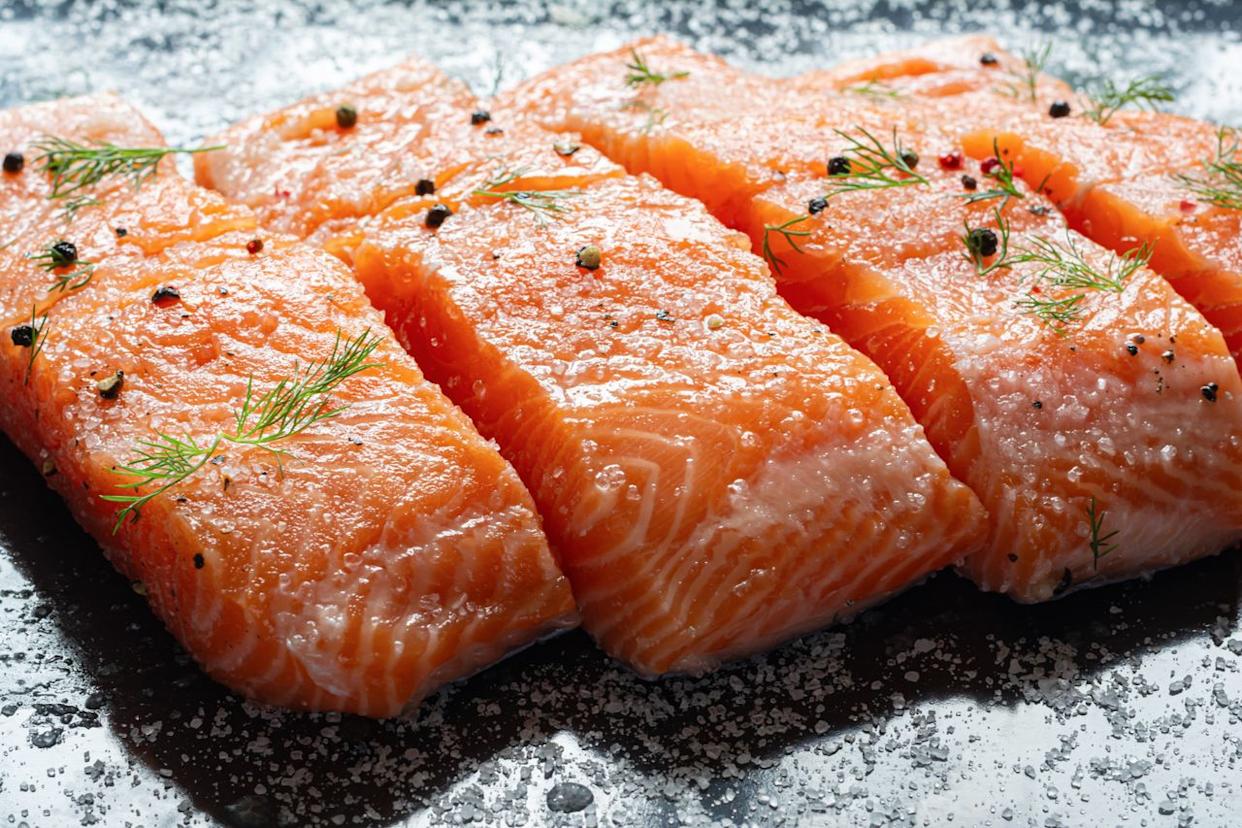
Credit: VIKTORIIA DROBOT / Getty Images
Although they may not be the first foods you think of to boost immunity, fatty fish contain immune-boosting nutrients that ginger doesn’t. These fish are rich in omega-3 fatty acids, which help control inflammation when your immune system is fighting an infection.
Fatty fish are also one of the best food sources of vitamin D, a nutrient that helps immune cells respond to infections. Together, omega-3s and vitamin D work to keep your immune system functioning well, especially during cold and flu season.
Examples of fatty fish include:
Other Ways To Boost Your Immune System
Even the best immune-boosting foods work better when combined with healthful habits that can help prevent illness and support faster recovery. These include:
Get enough sleep, which helps immune cells reset and repair.
Manage stress through exercise, meditation, or time outdoors.
Stay hydrated to help your body flush out toxins and keep your mucous membranes moist.
Wash your hands regularly to reduce exposure to germs.
Stay up to date on vaccinations.
Read the original article on Health