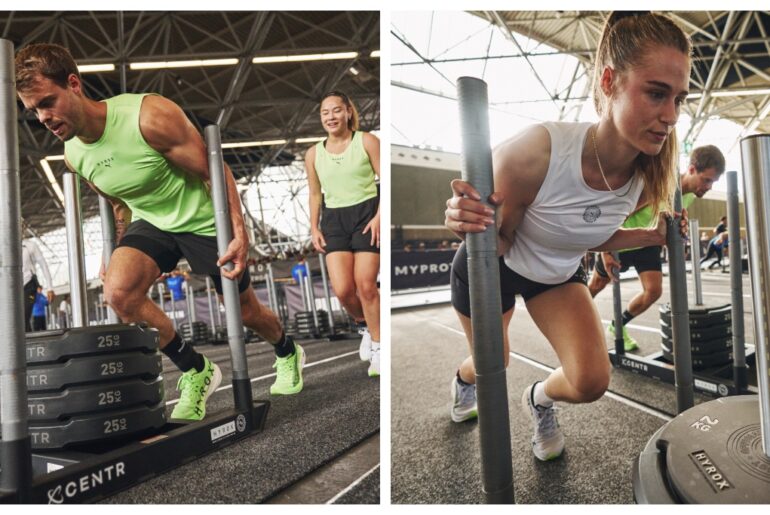
On shoes may be better known for their sleek, stylish designs than for their functionality as actual running shoes. Though the Swiss brand started with pairs that were more fun to look at than they were to run in, these days, On has shoes that are serious contenders for a spot in any runner’s lineup. (And yes, they are still cool looking.)
Like many running shoe brands, though, On’s naming conventions (so many clouds!) are enough to confuse even the most veteran running shoe shopper, and new models and updates are released near-constantly. On has options for all kinds of runners and runs — from newbies to marathoners, joggers to sprinters, road warriors to trail adventurers — but figuring out which shoe is for you is nearly as hard as that tempo run you’ve been dreading.
But as an avid runner, fitness writer, and running shoe obsessive, I consider myself a sort of running shoe lingo translator, taking the specs and features of all kinds of running shoes (plus how they actually feel on the run) and deciphering what that actually means for runners. Here, I studied On’s top models — and put them to the test — to break down the best of the brand’s options, and who they’re right for.
Read more: Best fitness trackers for 2026, according to a running coach
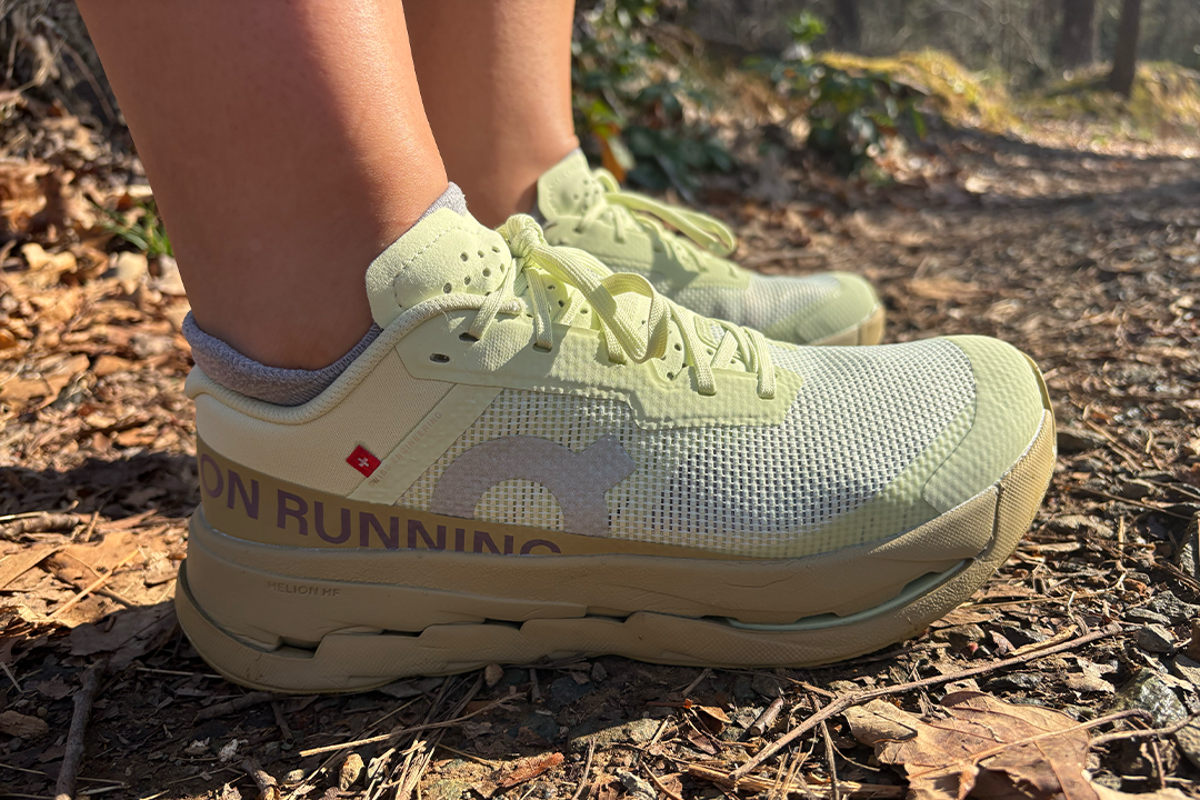
The best On running shoes for 2026 are: Best overall — On cloudmonster 3: $190, On.comBest budget option — On cloudsurfer next: $150, On.comBest for the trails — On cloudultra 3: Was $190, now $150, On.comBest for long runs — On cloudboom max: Was $230, now $230, On.comBest for racing — On cloudboom strike: $280, On.comHow I tested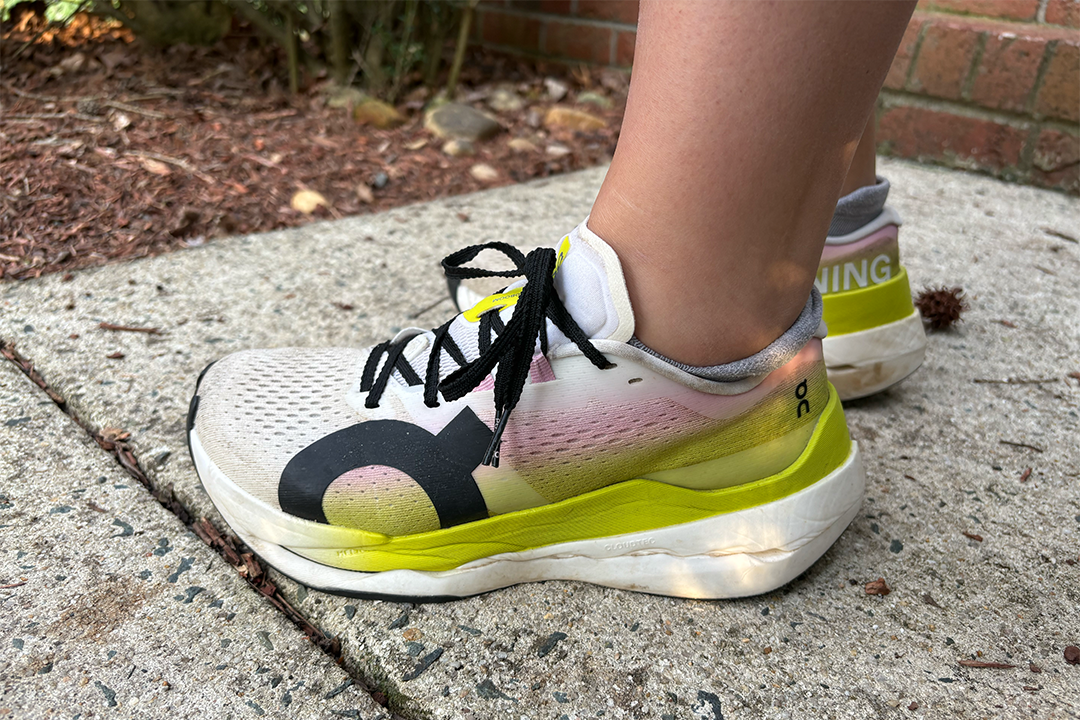 Whether you’re looking for lightweight or propulsive, these are the expert-tested shoes to shop (Lauren Wingenroth/The Independent)
As a runner, fitness writer, and multi-time marathoner, I’ve been testing On shoes since they first landed on the scene. To find the very best of their lineup right now, I considered my personal favorite pairs, the ones that come most-recommended by runners and experts, and all the brand’s latest models. I wore each pair on multiple runs, trying them on a variety of surfaces and at different paces. Throughout my testing, I paid attention to the following factors:
Comfort and fit: Do the shoes seem to fit true-to-size, or do they run big or small? Do they run wide or narrow in the forefoot? How comfortable do they feel when I step in? How do they feel on the run? Did I experience any blisters or hot spots? How did my feet feel after wearing them? Use and value: What types of runs is this shoe supposed to be for? Did it perform well on those types of runs? Is it versatile enough to be used for multiple types of runs? Does it offer enough value to justify the cost? Responsiveness: Does the shoe feel propulsive or bouncy, or do I have to fight it to put one foot in front of the other? Support and grip: Do I feel stable and supported, or wobbly? Can the outsoles handle slick surfaces?
Read more: Best sleep trackers that will help you get a better night’s rest