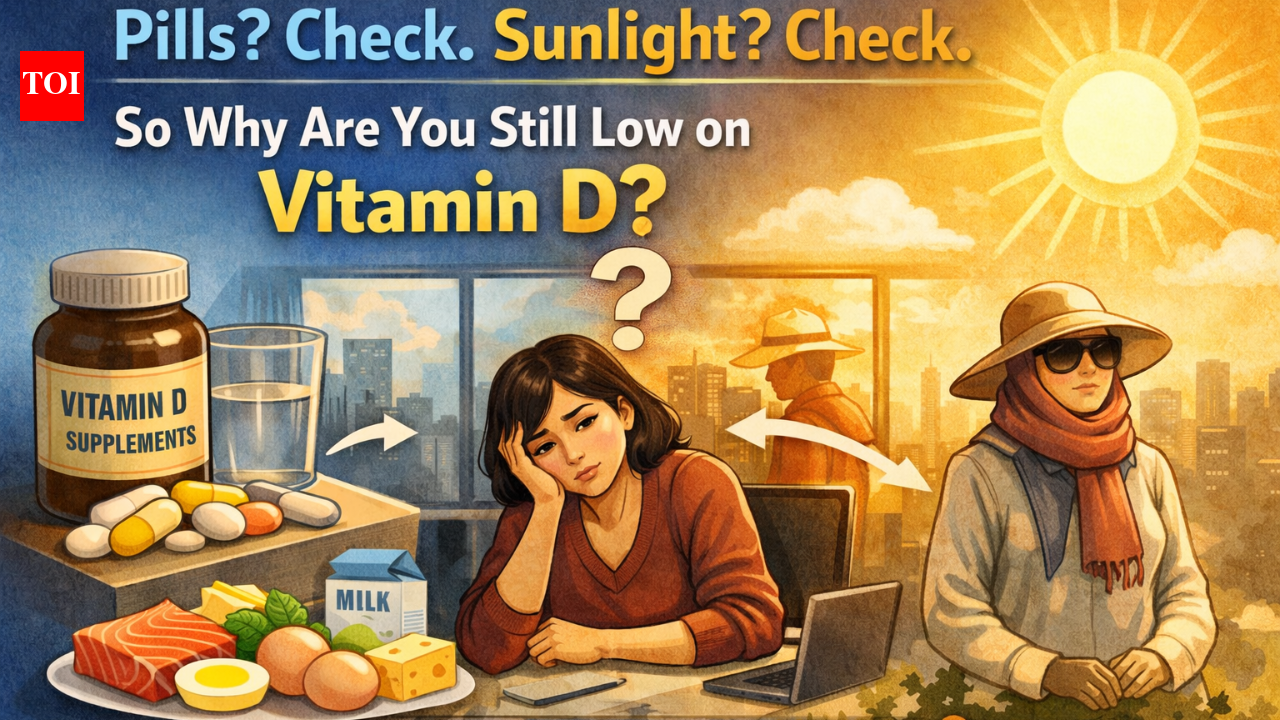
 You step out in the sun for a bit, maybe take a supplement now and then, and it feels like you have got your Vitamin D sorted. But that assumption is exactly where things go wrong. A lot of people think “some sunlight” is enough, without really knowing how much their body needs or whether they’re actually getting it.And the thing is, vitamin D does more than most people realise. It’s not just about bones, though that’s the part everyone remembers. It plays a role in immunity, muscle strength, even mood. Low levels can show up as constant fatigue, body aches, or just that feeling of being low on energy all the time. But because these symptoms are so common, they’re easy to brush off.
Watch
How to obtain vitamin D from sunlight without harming your skin But awareness is still surprisingly low, especially in a country like India where sunlight is abundant. It sounds ironic, right? The problem is, access to sunlight doesn’t automatically mean absorption. Long hours indoors, sunscreen use, pollution, and even skin tone can affect how much vitamin D your body actually makes.TOI Health connected with Prof. Dr. S M Fayaz, Lead & Senior Consultant – Internal Medicine, KIMS Hospitals Bengaluru to discuss how to meet daily vitamin D requirement, symptoms to watch and the right way to get vitamin D.
Is sunlight alone enough to meet our daily vitamin D needs, especially in urban lifestyles?
Prof. Dr. S M Fayaz: In most cases, no. Sunlight is the best way to obtain vitamin D however due to modern urban lifestyle choices it is extremely difficult for many people to receive enough sun exposure. Most of us now spend long periods of time indoors, we wear sunscreen when we’re outside, there are high levels of pollutants in the air, and typically most of our skin is covered by clothing. Because of all this, many people – particularly those living in cities – cannot get enough vitamin D from sun exposure. 
What are some common signs and symptoms people tend to ignore when it comes to low vitamin D levels?
Prof. Dr. S M Fayaz: Many people do not realize they have low levels of Vitamin D because they do not exhibit any symptoms. There may be a few general symptoms related to fatigue, bone pain, lower back pain, muscle cramps or weakness, frequent infections or low immunity and mood changes generally. These symptoms are typically dismissed as being stress-related or due to aging.
Are supplements always necessary, or can diet and sunlight be enough for most people?
Prof. Dr. S M Fayaz: Not all people need to take supplements to meet their vitamin and mineral requirements. Some people with minor deficiencies may obtain the nutrients they need through better nutrition (diet) and sun exposure. Foods that provide vitamin D include fatty fish (salmon, mackerel), egg yolks, fortified milk, and fortified breakfast cereals. Those with moderate to severe deficiencies, or those in danger of developing moderate to severe deficiencies, may usually require supplements with medical supervision.
How much sun exposure is really needed, and does timing or skin type make a difference?
Prof. Dr. S M Fayaz: Most people will usually need about 15 to 30 minutes of exposure to the sun for their arms and face, 3 to 4 days a week, to meet their needs for vitamin D. However: The most effective time for being in direct sunlight to produce vitamin D is between 10:00 am and 2:00 pm People with darker skin will need to be exposed to the sun for a longer period of time as they have more melanin in their skin. The early morning and late evening sun are adequate for limited vitamin D production.So, both the time of day and the color of a person’s skin have an impact on vitamin D production.
Why do even people living in sunny countries still struggle with vitamin D deficiency?
Prof. Dr. S M Fayaz: People living in sunny countries have a lot of difficulty meeting their vitamin D requirements due to the following: People generally work indoors.Air pollution will block the UVB rays from reaching the earth’s surface.Cultural attire usually covers most of the body.Most people spend more time in front of a computer or television than they do doing physical activity.Therefore, although there may be a great deal of sunshine, people do not receive appropriate amounts of sunlight.
Can taking too much vitamin D through supplements be harmful?
Prof. Dr. S M Fayaz: Too much vitamin D from supplementation can cause toxicity (although this is rare). The side effects of excessive supplementation include: Nausea and vomitingKidney stonesHigh calcium levels (hypercalcemia), which may damage organsThus, a doctor’s prescription of supplements based on test results must be followed.
Which groups are most at risk of vitamin D deficiency and why?
Prof. Dr. S M Fayaz: The groups that are at high risk of developing vitamin D deficiencies are: Elderly individuals (with limited capacity to synthesize Vitamin D)People with lack of sun exposure (such as office workers, city dwellers)Individuals of race or color (which is related to low capacity to synthesize Vitamin D)Pregnant and lactating women.People with obesity (who sequester Vitamin D in fat)People with chronic illnesses (e.g., renal, liver, or bowel disease) that can interfere with the absorption of Vitamin D.The groups mentioned produce less vitamin D naturally, absorb vitamin D poorly, and require more vitamin D.Medical experts consulted This article includes expert inputs shared with TOI Health by:Prof. Dr. S M Fayaz, Lead & Senior Consultant – Internal Medicine, KIMS Hospitals BengaluruInputs were used to explain why some people are still low on vitamin D despite pills and sunlight exposure. The doctor also shares critical facts about vitamin D synthesis in the body.