Social prescribing may sound like a wellness buzzword, but the economic stakes are real. Social isolation among older adults is associated with $6.7 billion in excess Medicare spending annually, while stress-related absenteeism tied to loneliness costs American employers an estimated $154 billion a year.
As hospitals, communities and employers look for practical ways to reduce those costs, social prescribing is gaining momentum as a potentially useful public health tool.
While this shift may seem innovative, it echoes a model Europe has been practicing for centuries.
What Is Social Prescribing?
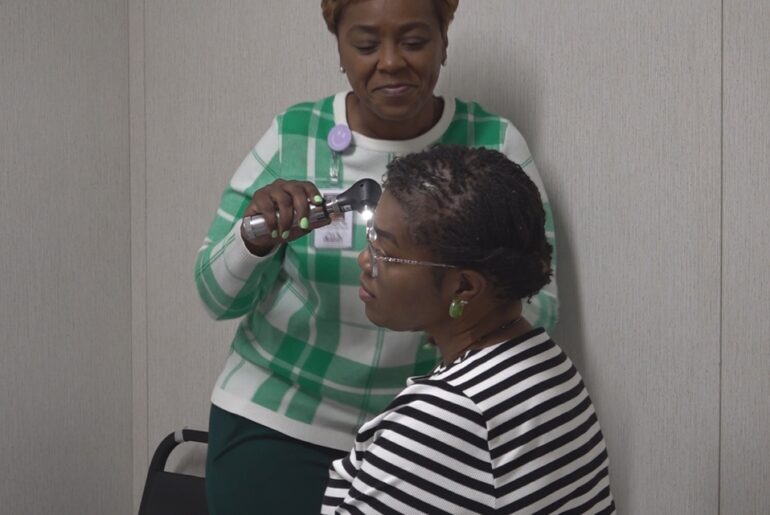
Social prescribing is when a healthcare professional recognizes that someone has non-medical needs related to stress, burnout, social isolation, or loneliness and prescribes group activities, such as arts programs, nature groups, or social services, to improve their health.
One example is SocialRX, formerly known as Art Pharmacy, which uses custom-built software to match participants with arts and cultural activities that support their health goals.
Stanford University is one of SocialRX’s over 400 partners. The Stanford Arts Prescribing Program, launched in 2024, connects undergraduate students with campus-based arts activities, including dance, singing, visual arts, crafts, museum visits, literary readings, and live performances.
Loneliness Is an Economic Problem, Not Just a Social One
The U.S. Surgeon General’s advisory titled ‘Our Epidemic of Loneliness and Isolation’ notes that in recent years, about one in two adults in America reported experiencing loneliness, which directly caused lower academic achievements and worse performance at work.
Loneliness is not only a lifestyle but also a healthcare concern. The advisory notes that the health effect of lacking social connection is comparable to smoking up to 15 cigarettes a day.
Neighbouring Canada has already quantified the impact in ‘A Healthier Canada: An Analysis of the Potential Economic and Social Impacts of Social Prescribing‘, a 2024 report.
The Canadian Institute for Social Prescribing found that every $1 invested in programs addressing loneliness and social isolation can generate roughly $4.43 in health savings.
For aging adults, the report projects 245,400 fewer hospital days each year due to falls at home, resulting in $296 million in savings from fewer hospitalizations, ambulance calls, and emergency department visits. It also estimates 16,900 fewer cases of coronary heart disease, 7,600 fewer cases of dementia over the next 10 years, 6,500 fewer cases of stroke over their lifetime, and 2,000 fewer avoidable deaths.
For youth mental health, the report estimates a $59.9 million annual increase in employment income and 1.9 million fewer primary care visits, which could result in $114 million in annual health system cost savings.

A 2000-Year Wellness Experiment in Europe’s Spa Towns
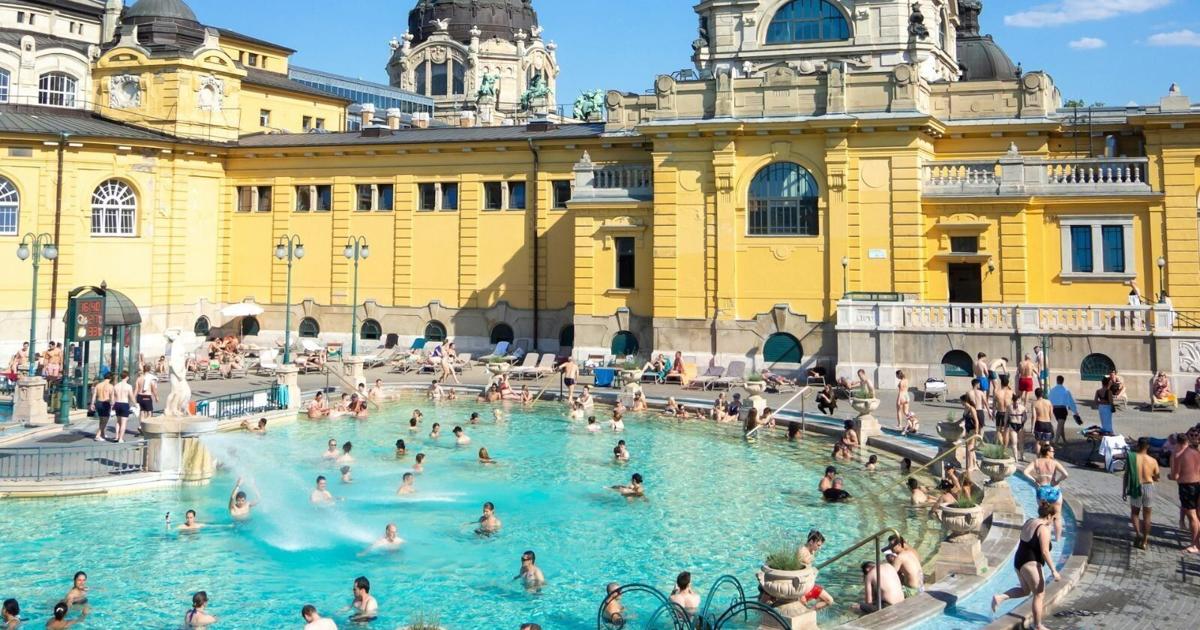
Long before modern healthcare systems began experimenting with social prescriptions, Europe’s spa towns built entire urban environments around the concept.
“Historic spa towns have never been merely places of treatment: they have been—and remain—spaces where care for the body intertwines with culture, the environment and social life,” says Chiara Ronchini, Secretary General of The Great Spa Towns of Europe World Heritage Site, in an official statement.
The Great Spa Towns of Europe, one of UNESCO’s transnational World Heritage sites, include 11 historic towns: Baden bei Wien, Spa, Františkovy Lázně, Karlovy Vary, Mariánské Lázně, Vichy, Bad Ems, Baden-Baden, Bad Kissingen, Montecatini Terme, and Bath, across Austria, Belgium, Czech Republic, France, Germany, Italy and the United Kingdom.
While these towns are famous for their mineral springs and bathhouses, their health philosophy extended far beyond water therapy.
Visitors here can combine medical treatments with social activities such as strolling through landscaped parks, attending concerts or gathering in cafés for conversation.
The architecture of spa towns reflects this philosophy. Promenades, landscaped parks and elegant colonnades surround bathhouses and spa facilities, designed for daily walks and social interaction. The wider town has theaters, nature hotels, cafés, and cultural venues, creating additional places for the community to meet and interact.
Why the Model Matters in 2026
As the Great Spa Towns of Europe mark five years since their UNESCO designation, their legacy is again in the spotlight.
“Today, European thermalism is experiencing a new phase: no longer limited to balneological therapy or medical rehabilitation, but rather an integrated offer known as thermal wellness—a holistic experience combining preventive health, outdoor activities, cultural offerings, and personalized services,” Ronchini highlighted in the official statement.
This renewed interest also aligns with one of the Global Wellness Summit’s key trends for 2026, sponsored by Amway.
The report calls it “The Over-Optimization Backlash.” People move away from stressful, data-driven wellness and toward experiences rooted in pleasure, ritual, emotional repair and social connection.
In that context, European spa towns look less like relics and more like templates to revisit in 2026. In Germany, for example, this idea has long existed in the form of the ‘Kur,’ a doctor-prescribed, insurance-funded stay to support physical or mental health.
Should the U.S. healthcare also include something that spa towns have understood for a long time? The most powerful medicine is simply being in a community.