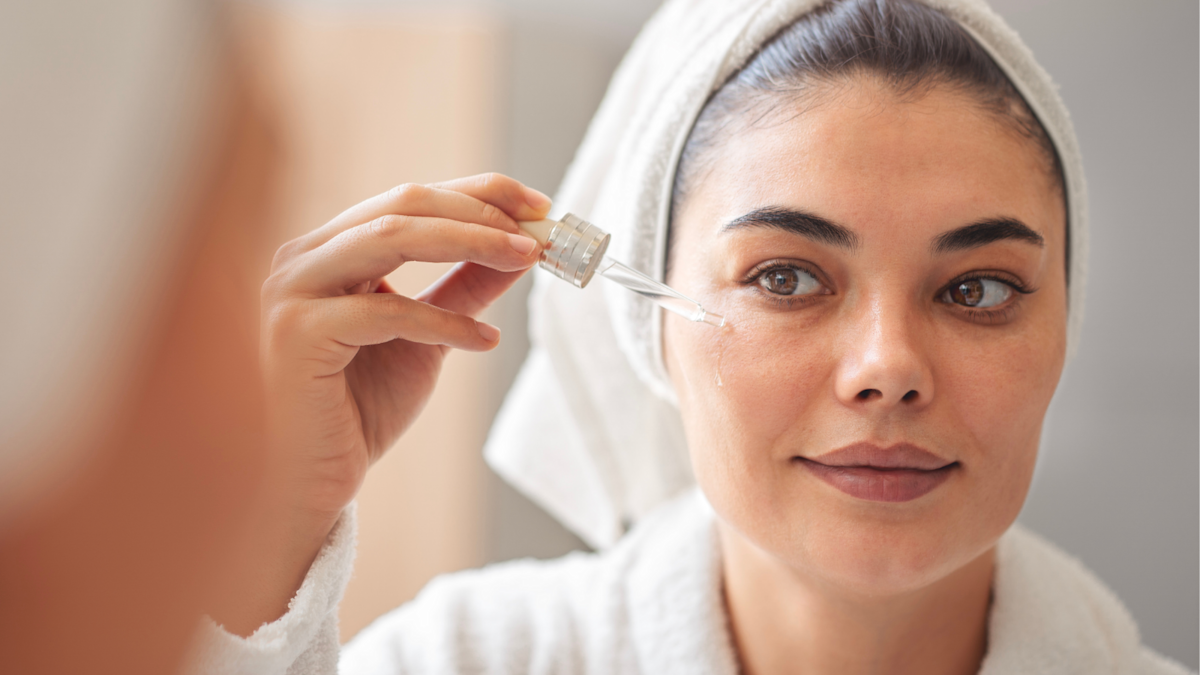
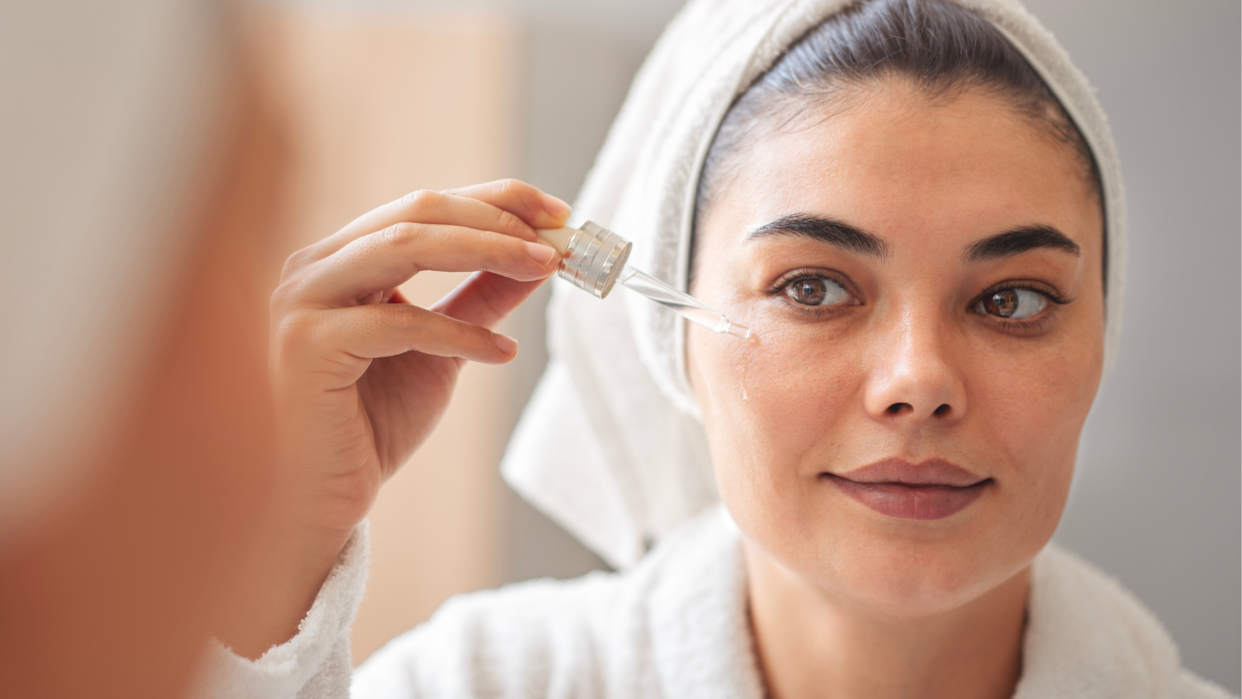
Skin cycling is the strategic skin care reset that’ll help the powerful ingredients in your beauty products work for you, not against you. (Getty Images)
As a longtime beauty editor, I’m supposed to have my skin care routine down pat. And mostly I do, except the times when I’ve gone overboard on powerful ingredients and ended up with full-blown, angry-skin chaos. So when a little something called “skin cycling” began popping up all over social media, I was intrigued. But what is skin cycling, exactly? Simply put, it’s a dermatologist-developed method for rotating your active ingredients on a set nighttime schedule — so your skin gets the benefits without the burnout.
Before we jump in, let’s get one thing straight. Even though skin cycling can be seen as another viral beauty craze (there are over 41,000 TikTok posts about it), this isn’t just a trend. As with skin flooding, it has real science behind it, with visibly effective results. Here’s everything you need to know.
What is skin cycling?
Skin cycling is a structured, rotating nighttime skin care routine built around the active ingredients in the products you use. Rather than layering retinol, exfoliating acids and vitamin C onto your skin every single night (a one-way ticket to inflammation), you cycle through them on a set schedule — giving your skin time to absorb the good stuff and time to recover.
The concept was coined by New York dermatologist Dr. Whitney Bowe back in 2011 — well before TikTok made it a household term. It came directly out of what she was observing in her practice. “Patients were coming in with irritated, inflamed skin because they were layering too many actives on their skin on the same night,” she tells Yahoo. “They wanted the benefits of these powerful ingredients, but they didn’t always understand how to use them in a way that protected the skin barrier.”
Her research into skin barrier health and inflammation gave the method its scientific backbone. “Skin Cycling became a way to simplify things: strategically rotating active ingredients with recovery nights so patients could get results without overwhelming their skin,” she explains. When she took it to TikTok, the response surprised her, but she thinks she understands why it clicked. “My goal was simply to translate what I was teaching patients in the exam room into something that was easy to understand and follow at home,” she says. “It’s science-based, but it’s also incredibly approachable.”
How to skin cycle, the classic wayNight 1: Exfoliation
The classic skin cycling method follows a four-night rotation, starting with chemical exfoliation after your cleanse. Grab your AHA, BHA or a gentle combo product, apply it after cleansing, then follow with moisturizer. That’s it!
Amazon
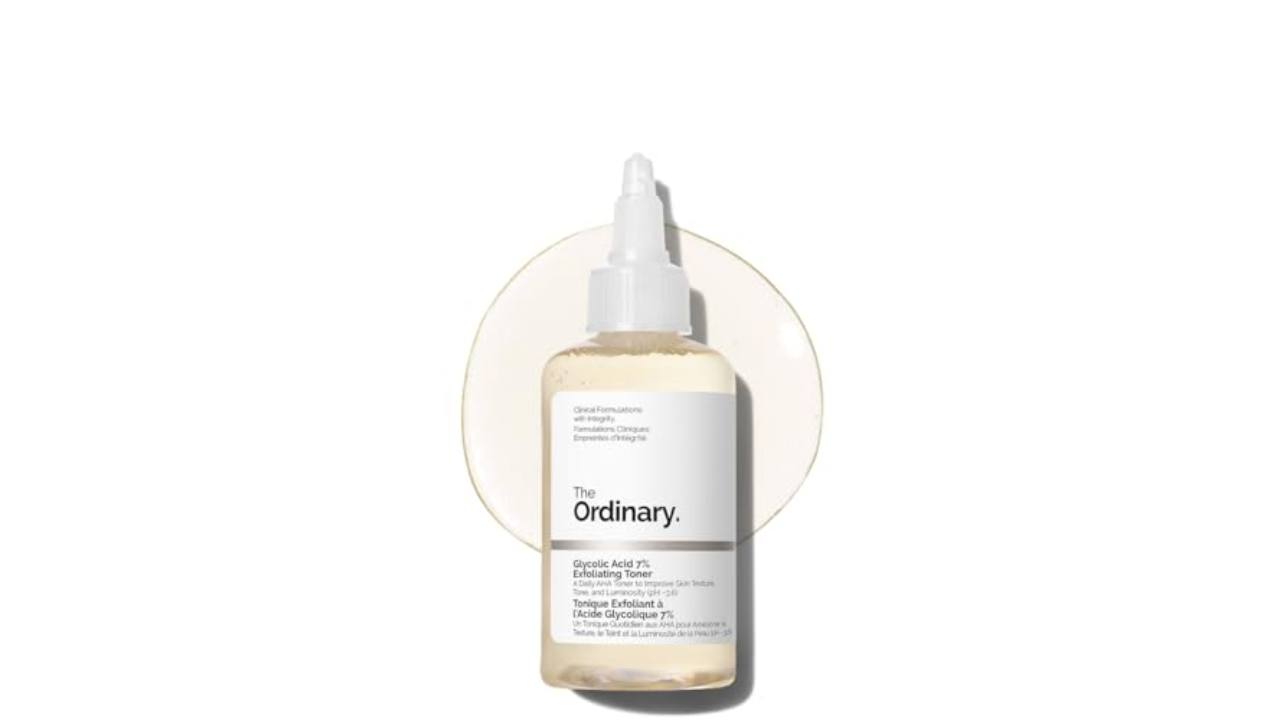
Your first night is all about clearing the canvas with a chemical exfoliant. This glycolic acid-based toner from The Ordinary smooths the texture and visibly reduces fine lines over time, while a Tasmanian Pepperberry derivative helps keep irritation in check.
Amazon
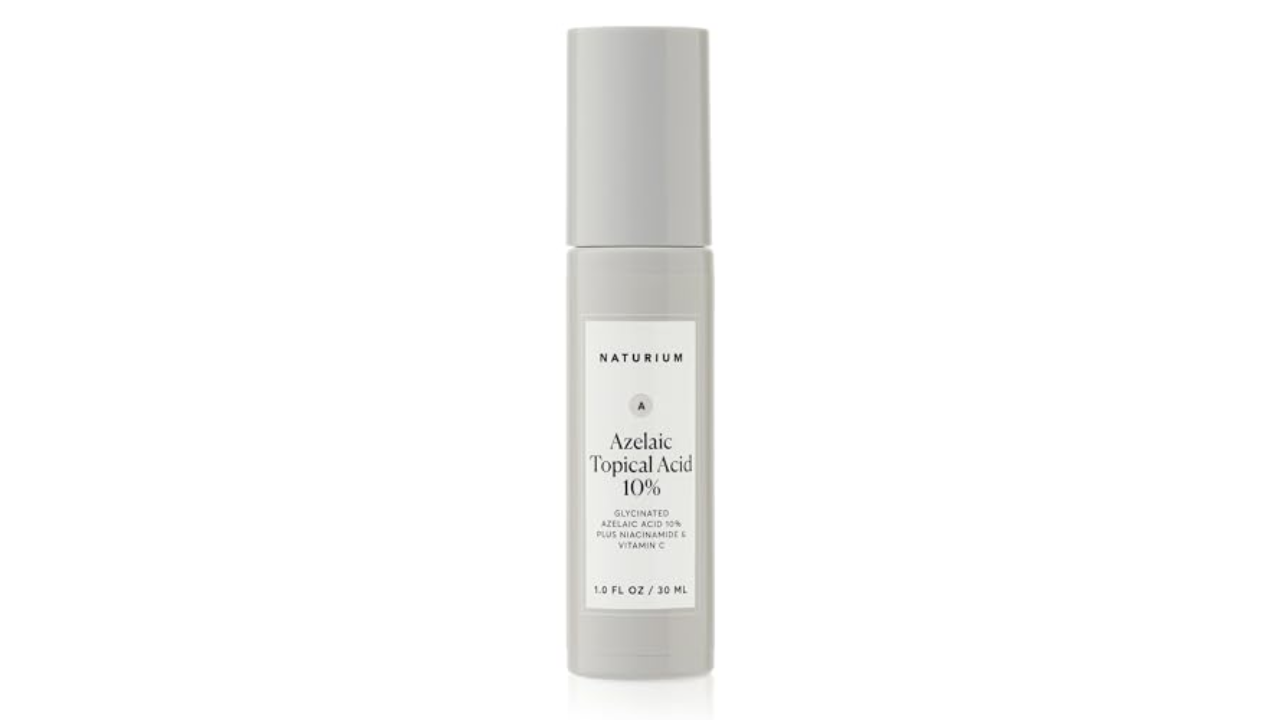
Azelaic acid is having a well-deserved moment thanks to the way it delivers real exfoliating results without the irritation that comes with stronger actives like glycolic acid and retinol. If you haven’t tried it yet, exfoliation night is the perfect place to start! Naturium’s glycinated azelaic acid complex pairs with niacinamide, vitamin C and coffee seed extract to exfoliate, brighten, reduce redness and balance oil all at once.
Night 2: Use your retinol
Swap the exfoliant for your retinol or prescription retinoid. Cleanse, apply, then moisturize generously. Some people like to use “the sandwich method,” which involves applying a thin layer of moisturizer before and after to buffer any irritation.
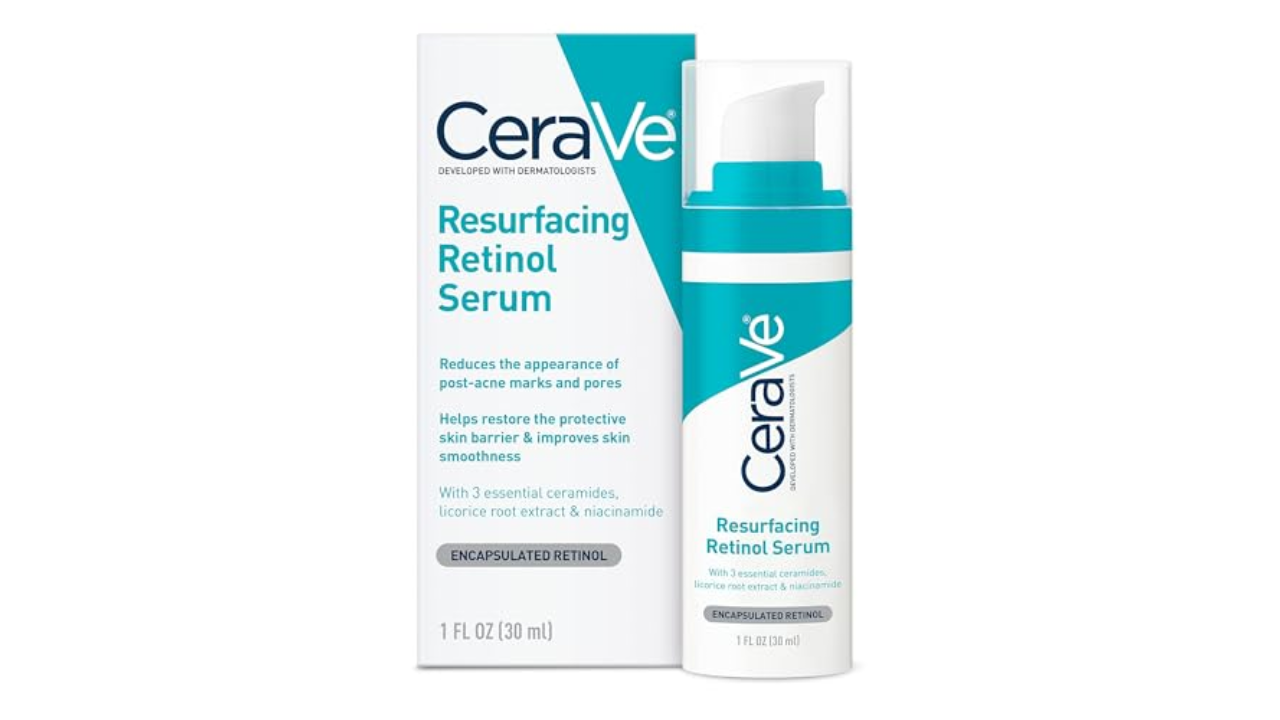
Amazon
If you’re a retinol newbie or have sensitive skin, this gentle formula from CeraVe is a great choice. Senior Beauty Editor Jennifer Romolini said it brightened her skin within just a few weeks and “made it look dewier overall.”
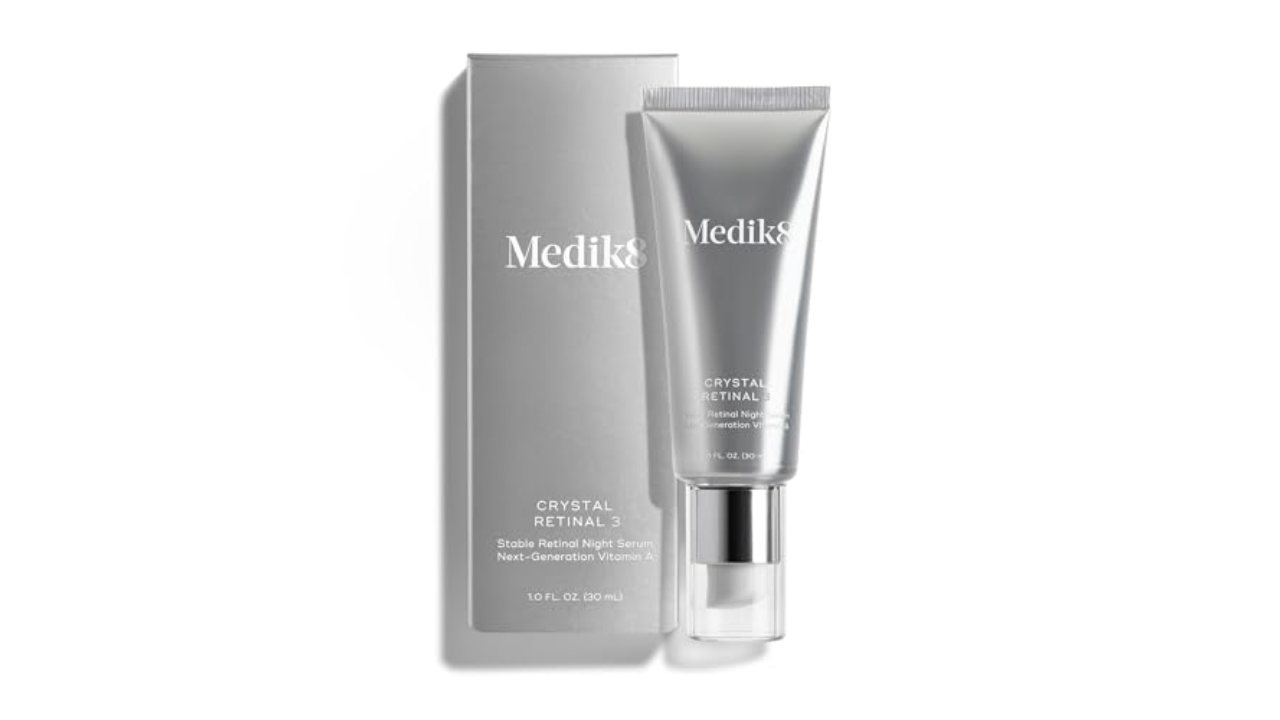
Amazon
Retinoid night is when the real transformation happens, as it stimulates collagen, accelerates cell turnover and visibly smooths fine lines and texture over time. Instead of retinol, Medik8’s Crystal Retinal 3 uses retinal — a next-gen vitamin A that acts up to 11 times faster than standard retinol.
Nights 3 and 4: Recovery days
Any personal trainer will tell you, don’t skip rest day! Just as muscles grow during recovery, not during the workout itself, your skin does its best repair work on the nights you’re not hitting it with retinol and acids. So, allow it two full nights of hydrating, barrier-loving products filled with ceramides, hyaluronic acid or peptides. Just no active ingredients at all. Then you start the cycle again! Pro tip: If you have sensitive skin, Bowe suggests adding an extra recovery night, which she calls “Gentle Skin Cycling.”
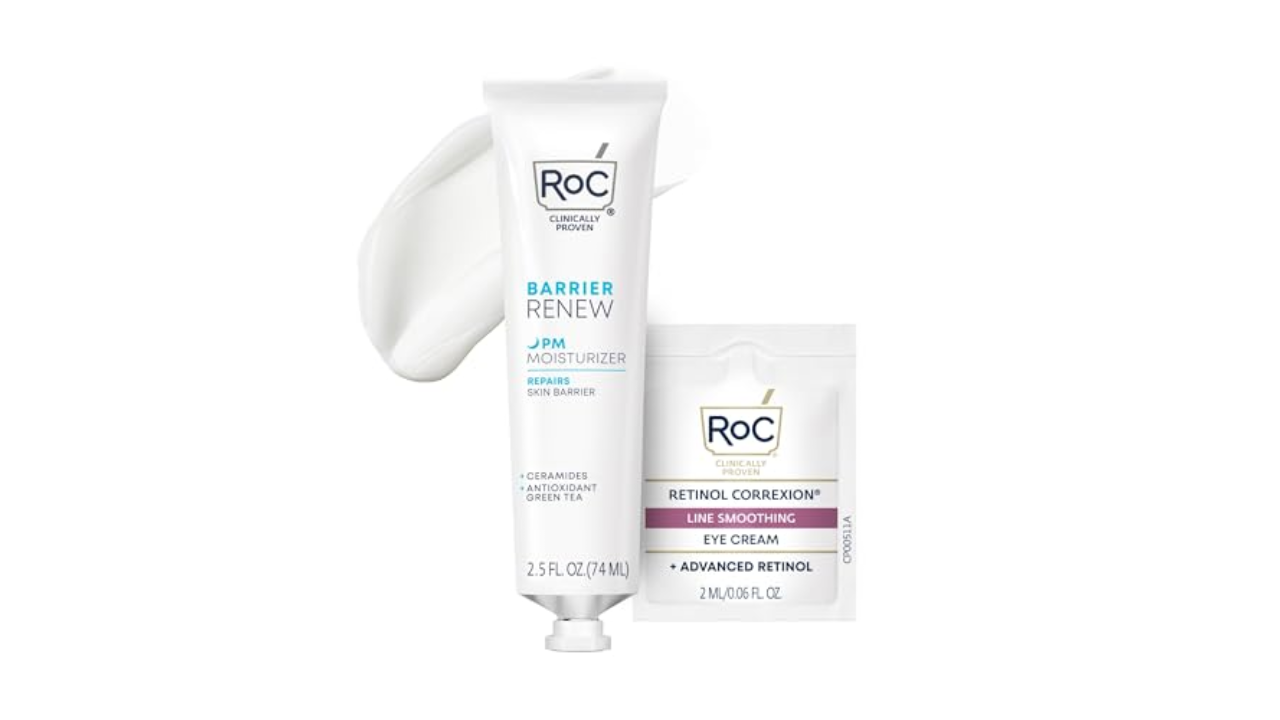
Amazon
Recovery nights aren’t the boring part of skin cycling — they’re the entire point! This is when your barrier rebuilds and your skin absorbs everything you’ve put in over the previous two nights. This RoC Barrier Renew Night Moisturizer is a recovery-night MVP (and has the perfect name for it). Ceramides reinforce the barrier, while lipo-peptides support skin structure and antioxidant green tea keeps inflammation at bay.

Dr. Whitney Bowe Beauty
Bowe created this set as an easy way to learn how to skin cycle. It has everything you need to get started, including a retinal treatment, exfoliating serum and a nourishing moisturizer.
How to make skin cycling work for you
Bowe wants you to keep in mind that the four-night schedule is a starting point, not a mandate. “The program is meant to be flexible and is all about listening to the needs of your skin,” she says. She’s formalized two variations beyond the classic: Gentle skin cycling, which adds an extra recovery night for sensitive skin types, and Advanced skin cycling (for more experienced retinoid users), which is when you do two retinoid nights in a row before moving onto recovery. “They are both built on the fundamental philosophy of taking a ‘less is more’ approach, making your skin care work harder and smarter for you,” she explains.
She also adapts her own routine seasonally — gentle cycling in winter when her skin is at its most sensitive, shifting to advanced in spring. “At its core, skin cycling is about working with your skin, not against it,” she says. “No skin care routine is one-size-fits-all.”