Others You

Array
(
[galleryId] => 85374b7630cb267ec63af0d65872b9206eeda3be66fef1ee
[thumbImage] => https://media.ahmedabadmirror.com/am/uploads/mediaGallery/image/1773852547686.jpg-thmb
[largeImage] => https://media.ahmedabadmirror.com/am/uploads/mediaGallery/image/1773852547686.jpg-sldr
[fullImage] => https://media.ahmedabadmirror.com/am/uploads/mediaGallery/image/1773852547686.jpg-org
[videoObj] =>
=> Pre-workout supplements linked to poor sleep in youth
[altText] => Pre-workout supplements linked to poor sleep in youth
Pre-workout supplements linked to poor sleep in youth Ahmedabad Mirror => Pre-workout supplements linked to poor sleep in youth
Pre-workout supplements linked to poor sleep in youth =>
)
Pre-workout supplements linked to poor sleep in youth

Agencies
Mar 19, 2026 03:00 PM | UPDATED: Mar 18, 2026 10:19 PM | 7 min read
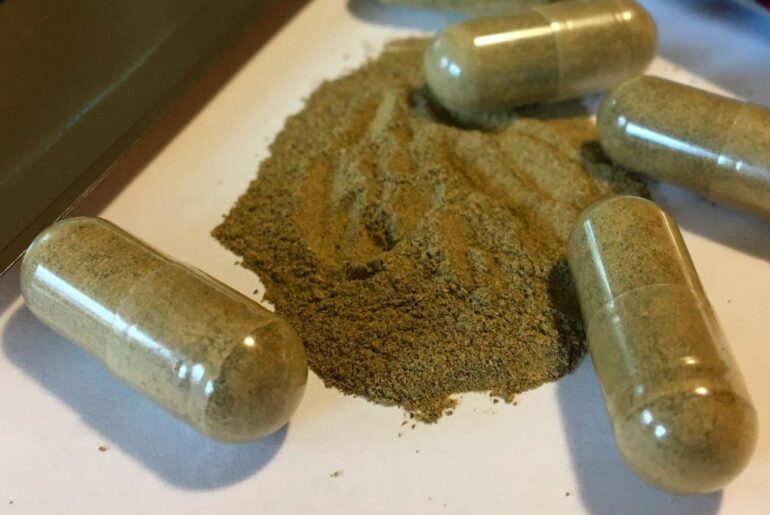
Pre-workout supplements, widely used by young fitness enthusiasts, may be taking a toll on sleep, according to a new study led by researchers at the University of Toronto.
The research, based on data from the Canadian Study of Adolescent Behaviors, found that people aged 16 to 30 who used pre-workout supplements in the past year were more than twice as likely to sleep five hours or less per night compared with non-users. Health experts generally recommend around eight hours of sleep for this age group. Adolescents are advised to aim for 8 to 10 hours, while young adults should aim for 7 to 9 hours.
Pre-workout supplements are marketed to enhance performance and boost energy. However, researchers say their stimulant-heavy formulations may be disrupting sleep patterns.
“Pre-workout supplements, which often contain high levels of caffeine and stimulant-like ingredients, have become increasingly popular among teenagers and young adults seeking to improve exercise performance and boost energy,” said lead author Kyle T Ganson, assistant professor at the Factor-Inwentash Faculty of Social Work at the University of Toronto.
Many of these products contain between 90 mg and more than 350 mg of caffeine per serving. By comparison, a can of cola has about 35 mg, while a standard cup of coffee contains roughly 100 mg.
Researchers warn that such high caffeine intake can interfere with sleep, particularly in young people who may already be sleep-deprived. Insufficient sleep during these years can affect mental health, physical development and academic performance.
The team is urging healthcare professionals to ask young patients about supplement use and advise them to avoid pre-workout products at least 12 to 14 hours before bedtime.Agencies