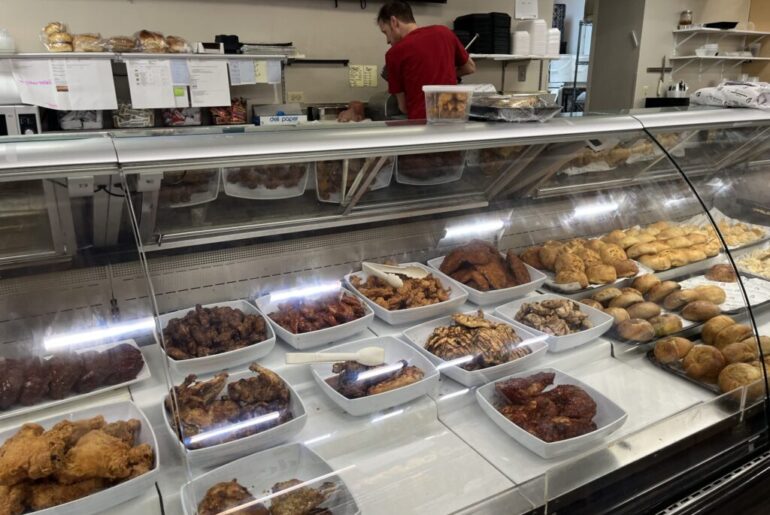
Ready-made meals have long been viewed as cheap in cost and poor in nutrients. However, product developments in this category are propelling quick solutions for busy lifestyles that deliver nutritious solutions, while addressing consumers’ increasing demand for transparency and clean ingredients.
Nutrition Insight sits down with Kaylyn Tolzmann, managing director for Europe at Factor, a Hello Fresh company, to discuss how convenient meals have been made unnecessarily unhealthy, and how nutrition and ready-made meals do not need to be mutually exclusive.
“The ‘frozen dinner’ era was about convenience at the cost of health and nutrition. That is no longer enough. The next era is about functional nutrition. Consumers today view meals as core to their health, longevity, and lifestyle aspirations. They demand reliable, precision, and easily trackable nutrition that is integrated digitally into their overall health support system.”

“Being able to connect nutritional input to health outcomes is becoming as important to the modern consumer as the flavor of the meal itself.”
She argues that ready-to-eat formats can “truly meet” clean label and minimally processed standards at scale, as the issue is a “matter of engineering.”
“Our data shows that over 95% of Factor’s menu is entirely free from ultra-processed ingredients when measured against global standards,” she highlights. “We meet these standards by maintaining a strict ‘hard no’ list that excludes refined added sugars, refined seed oils, esterified propoxylated glycerol, or artificial enhancers.”
“Furthermore, by investing in a fresh supply chain, we eliminate the need for the artificial stabilizers typically required to maintain the structural integrity of shelf-stable or frozen convenience meals.”
Balancing nutritional precision
Tolzmann details how manufacturers can balance culinary quality with nutritional precision, including macro accuracy in large-scale production.
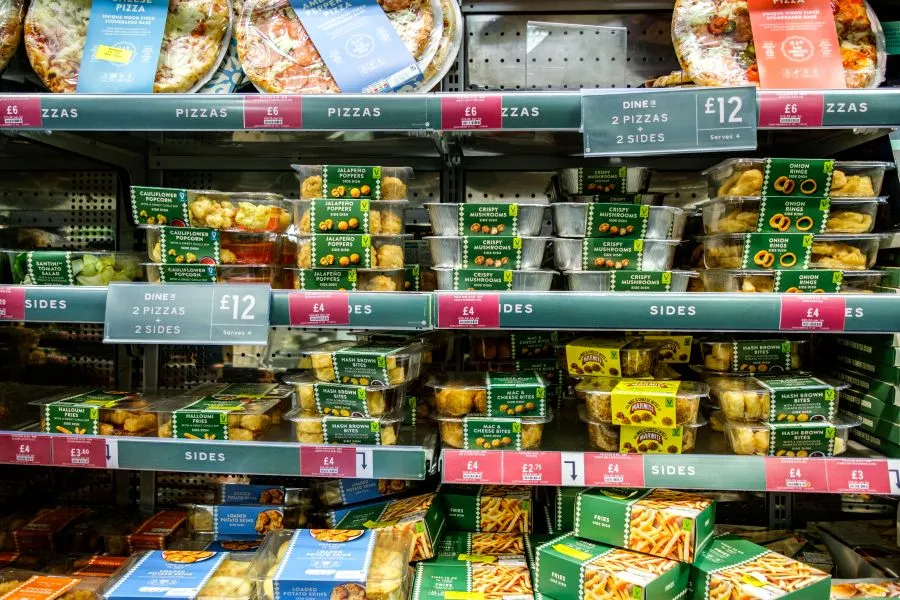 Tolzmann notes innovation is centered on breaking the decades-old trade-off between nutrition, taste, and convenience.“While ‘handmade’ is often romanticized, it can introduce significant variations in macronutrients. We leverage our scale to drive consistency in nutrition, treating every meal as a standardized result of a rigorous, data-led process.”
She says Factor bridges the accuracy gap by using verified data across the supply chain, ensuring that the nutritional information provided is a reliable reflection of the meal’s composition.
“For the consumer, this means the nutritional panel is a high-confidence tool for managing their diet rather than an unmeasured interpretation. In parallel, precision doesn’t mean a lack of flavor; our chefs work with our dietitians to build taste through fresh herbs, spices, and thoughtful techniques rather than relying on industrial flavor enhancers or excess salt, fat, and sugars.”
Tolzmann further notes innovation is centered on breaking the decades-old trade-off between nutrition, taste, and convenience that the category has long demanded of consumers.
Consumers demand real food
Consumers increasingly expect “clean labels” where every ingredient comes from recognizable, unprocessed, or minimally processed sources — in other words, “real food,” underscores Tolzmann.
“Transparency also extends to what is not in the food. We clearly state our exclusions of parabens, sorbates, benzoates, and nitrates to build trust with health-conscious consumers who are looking for integrity in their ingredients.”
“While fresh, whole-food ingredients are more expensive than industrial shortcuts, the scale of our production and strong collaboration with our suppliers allow us to provide meals at competitive prices through supply chain efficiency,” she adds.
She further explains that traditionally, the industry standard was driven by thin retail margins, which led to a reliance on long shelf lives achieved through artificial enhancers or freezing. Historically, this has been optimized for mass production and cost rather than the consumer experience.
“At Factor, we work backward from the ideal consumer experience — one that does not demand a trade-off between price, nutrition, taste, convenience, or choice. That’s why we have invested in moving to a fresh-first model — requiring a fundamental rethinking of the entire end-to-end supply chain that we’ve built over the last decade, a journey that many legacy brands are simply unwilling to undertake.”
Nutrition beyond food
For ready-made meals, packaging innovation to avoid per- and polyfluoroalkyl substances (PFAS) and phthalate-free materials must be integrated into overall nutrition positioning.
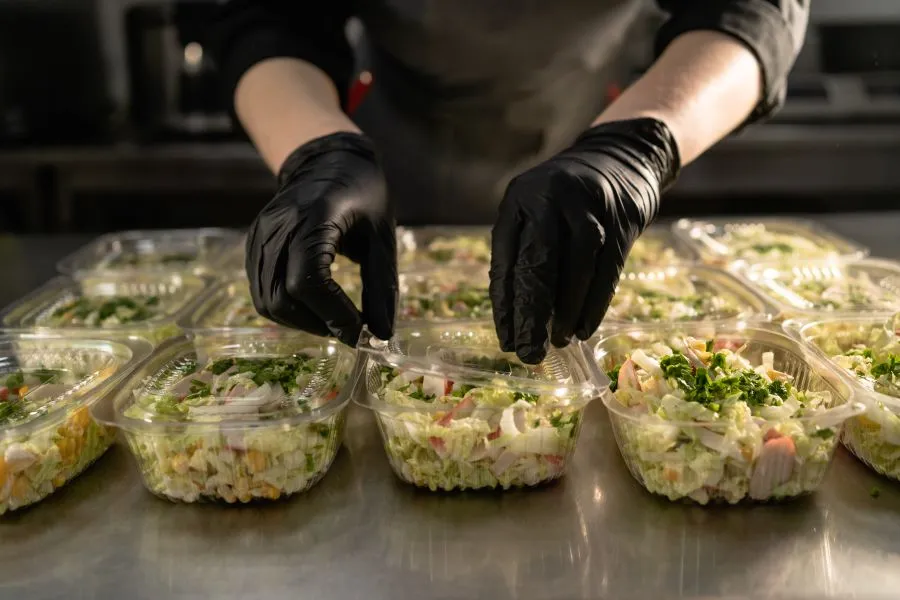 For ready-made meals, packaging innovation to avoid PFAS must be integrated into overall nutrition positioning.Tolzmann argues safety shouldn’t stop at the ingredients. “We frame our packaging as an extension of the food’s quality. Our trays are engineered to be 100% free from BPA (bisphenol A), BPS (bisphenol S), phthalates, and PFAS, ensuring no chemical migration occurs during the heating process.
Factor uses high-grade materials such as CPET/PP (crystalline polyethylene terephthalate and polypropylene), which are tested for structural integrity at high temperatures. This prevents the microplastic shedding often seen in standard “microwave-safe” containers.
She explains it is also a matter of minimizing food waste. “According to the UN Environment Programme, the world wastes over one billion tons of food every year, the majority of which occurs at the household level.”
“This waste accounts for approximately 10% of global greenhouse gas emissions. In our model, packaging primarily protects freshness and food safety while enabling pre-portioned meals that help customers significantly reduce food waste in their own homes. The priority must be preventing food waste and ensuring safety first, while continuously reducing materials and improving recyclability.”
Ready-to-eat does not have to be a nutritional compromise, concludes Tolzmann. “By leveraging real scientific measures, we are setting a new standard for transparency and what it means to eat well in a busy world.”