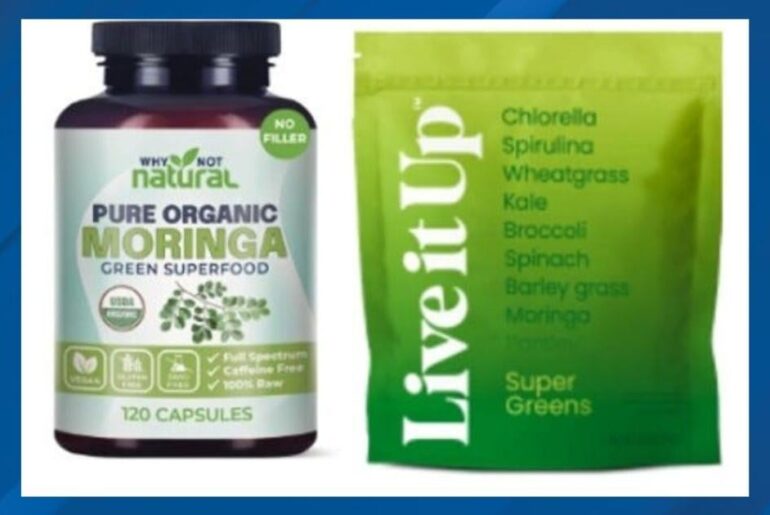
Supplements may be touted as the so-called key to unlock a healthy lifestyle, but a dietitian has warned that your daily habit may be doing more harm than good.
According to the Food and Drug Administration (FDA), around 75 percent of Americans take dietary supplements, with some of the more popular being magnesium, calcium, and Vitamin D.
While the trio have a myriad of benefits, including improved sleep, aiding nerve transmission, and boosting immune function, some supplements can cause serious health issues and even interfere with medication.
Here are five supplements a dietitian recommends you avoid adding to your diet anytime soon, including one that you may take religiously to stay awake.
Weight loss supplements
In recent years, the popularity of GLP-1 medications has surged. According to statistics published by Statista, almost one in eight Americans uses drugs, and it’s estimated that by 2030, 30 million US citizens will be taking them, too.
 An expert has warned against using weight-loss supplements (Getty Stock Image)
However, Jessica Ball, a registered dietitian with a master’s in food, nutrition and sustainability, reported that sometimes your weight loss can only be sustained for as long as you take the supplement.
“In addition, these supplements are not tightly regulated by the Food & Drug Administration, so it can be hard to know what exactly is in them… or if they’re even safe,” she explained via EatingWell.
What’s more, weight-loss supplements usually come at a sky-high price point. Instead of breaking the bank, it’s advised you make small changes to your lifestyle, imprive your eatiing pattern, and add movement when you can.
“This is a much better bet if you want to lose weight, and it will probably make you feel better in the process,” the expert added.
Caffeine pills
The Mayo Clinic reported that up to 400 milligrams of caffeine a day (four cups of brewed coffee) is usually safe for most adults.
However, taking caffeine pills alongside your morning brew and afternoon hot pick-me-up can easily push you over the recommended limit.
“Besides shakiness, anxiety and jitters in the short term, regularly overdoing it on caffeine can mess with your mental health, make certain medical conditions like heart disease and diabetes worse and can negatively impact your sleep,” reported Ball.
It’s advised that you ditch the pill packet and opt for another form of caffeine if you feel like you need a little bit of a boost.
Vitamins and minerals that interfere with medication
Yes, the online wellness sphere may be waxing lyrical about certain vitamins, and people you admire on social media may have convinced you that you need to add a certain mineral into your nighttime routine to help you sleep better – but they don’t know what medications you’re on.
 Vitamins have the ability to interfere with medications (Getty Stock Image)
Taking Vitamin K or E, for example, can impact blood-thinning medication, while Vitamin C and D can interfere with birth control and cholesterol-lowering drugs, respectively.
Studies suggest that St. John’s Wort can reduce the effectiveness of birth control and heart medication, while over-the-counter multivitamins may cause issues for those taking thyroid medications.
Always check with your health provider before you start self-supplementing.
Supplements lacking independent certification
The supplement market is booming, with it being projected to reach a colossal $393.56 billion value by the time 2033 swings around.
Naturally, the market is saturated, and because the FDA does not typically review products before they hit supermarket shelves, not all supplements are created equally.
Look for bottles with independent certification – that’s how you know the tablets you’re taking are legitimate.
Ball remarked that if a supplement doesn’t have certification, even if its a single ingredient or a vitamin, you should skip it and opt for one that does.
Supplements exceeding tolerable upper limit (UL)
Many pills and powders have what is known as a ‘tolerable upper limit’, the maximum daily intake that is unlikely to cause adverse effects, Bell wrote.
 You should be able to get most of your vitamin intake through the food you eat (Getty Stock Image)
“Exceeding these limits can create too high a concentration of the nutrient in our bodies and can lead to adverse health effects, particularly for fat-soluble vitamins (like A, D, E and K) or heavy metals (like iron, copper and zinc),” she said.
To make sure you’re not exceeding the tolerable upper limit, you should do research online and make yourself aware of daily recommended intakes.
Moreover, it’s important to know how much of the vitamin you already get in your diet via food.
“Skip the high-dose supplements and choose one that can help you fill in the gaps without overdoing it,” the dietitian claimed.