Feel strongly about these letters, or any other aspects of the news? Share your views by emailing us your Letter to the Editor at [email protected] or filling in this Google form. Submissions should not exceed 400 words
On a small island in Siargao in the Philippines, women fishers are bottling sardines that now appear on the menus of Michelin-starred restaurants in Manila. Their story offered an important lesson for Asia’s food systems as leaders gathered at the Asia and the Pacific Food Systems Forum last week: empowering women producers can improve nutrition while strengthening climate resilience.
Asia faces a complex nutritional challenge. Hundreds of millions of people remain undernourished and more than 27 per cent of children in Southeast Asia under five suffer from stunting. At the same time, the region is experiencing fast-rising obesity rates as ultra-processed foods replace diverse traditional diets.
Small fish such as sardines provide a powerful nutritional solution. Rich in protein, omega-3 fatty acids, calcium and vitamin D, they can help address widespread micronutrient deficiencies. Yet coastal communities that depend on fishing often suffer from malnutrition themselves because overfishing, climate-driven shifts in fish stocks, and limited processing and storage prevent them from preserving their catch or reaching wider markets.
In Siargao, collaboration between partners including AGREA, One Meralco Foundation, WWF, BPI Foundation, Tukod Foundation and the Para sa Baji programme helped introduce solar-powered facilities for fish processing and cold storage.
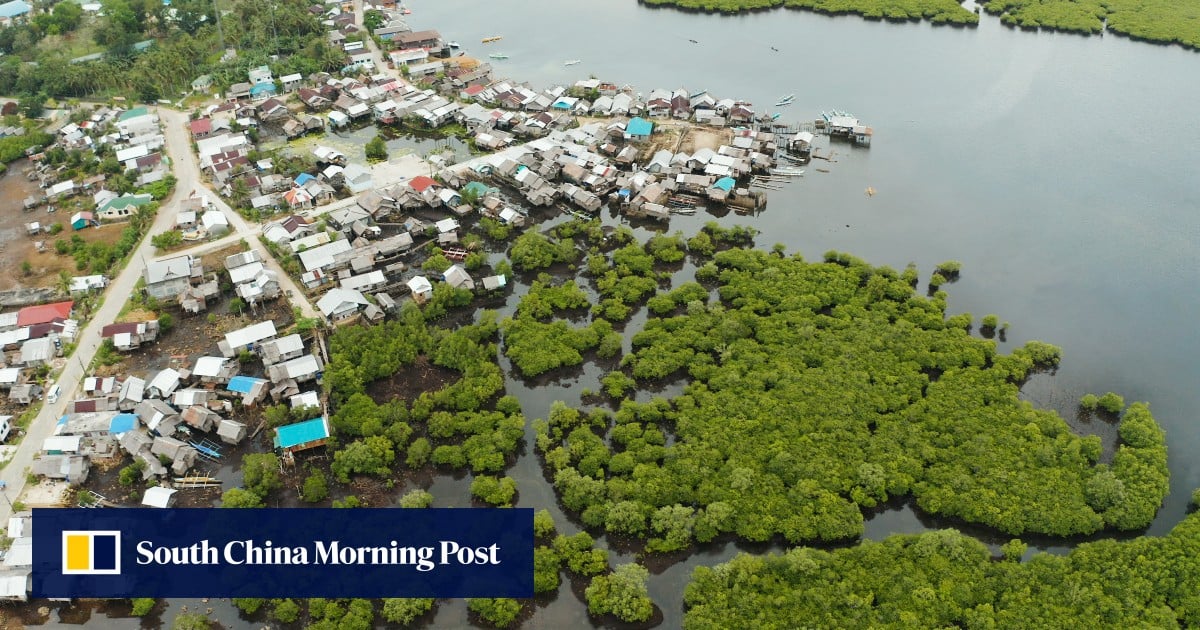
At the same time, the local government of the municipality of Del Carmen protected one of the Philippines’ largest mangrove forests, restoring vital fish breeding grounds while strengthening coastal resilience.