 5 min read
SPRING HAS FINALLY arrived after a long, cold winter, making it a good time to refresh your wellness routine. While working out smarter and cleaning up your diet are obvious places to start, supplements can help keep you moving and motivated—whether you’re starting a new sport, changing up your training plan, or setting your sights on a new finish line this year.
If you’ve been feeling sluggish, start by making sure you’re eating a variety of fruits and vegetables, along with plenty of protein, healthy fats, and fiber, says dietitian, health coach, and author Jessica Cording, RD. Even then, it can be hard to hit all your nutrient needs consistently. “Supplements can help fill in gaps or account for increased needs,” Cording says.
How to Choose the Right Supplement
BEFORE ADDING ANYTHING new to your routine, it’s smart to check in with your healthcare provider to make sure a supplement is a good fit for your needs and that you’re not dealing with any underlying health conditions. If fatigue is your main concern, consider investigating the cause first. “I suggest getting a [blood panel] workup if your energy levels aren’t what you think they should be,” Cording says.
Supplements aren’t something you want to take at random. But when chosen carefully, the right ones can support energy, recovery, and overall performance. Here are the NOW supplements to consider if you’re looking to reset your routine this spring.
Ashwagandha
Ashwagandha is an adaptogen, which means that it helps the body adapt to stress.* “It’s gotten popular in the past few years, even though it’s been used in Ayurvedic medicine for a very long time,” Cording says. Some ashwagandha supplements may also be helpful for navigating occasional sleeplessness, according to the National Center for Complementary and Integrative Health (NCCIH).*
Research is ongoing, but a few studies have found that people who took ashwagandha had lower levels of nervousness compared to those who took a placebo. “It may help manage cortisol levels and promote feelings of well-being,”* Cording says. If typical everyday stress is making it harder for you to sleep, she says ashwagandha may help you get more rest—and feel better-equipped to tackle your workout the next day.*
Collagen
Collagen is a structural protein molecule that shows up in your skin, tendons, ligaments, and cartilage. However, collagen production naturally slows as you age, which is where supplementation can help.
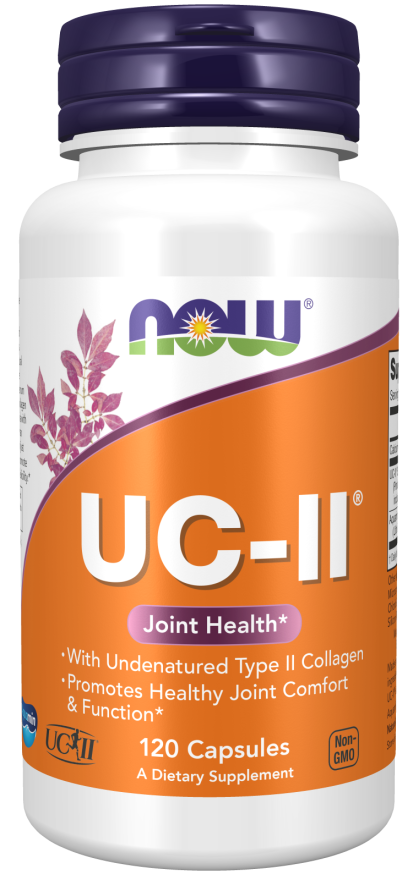
“Certain forms of collagen can be really helpful if joint discomfort is a concern for you,” Cording says; for example, Type II tends to provide joint support.*
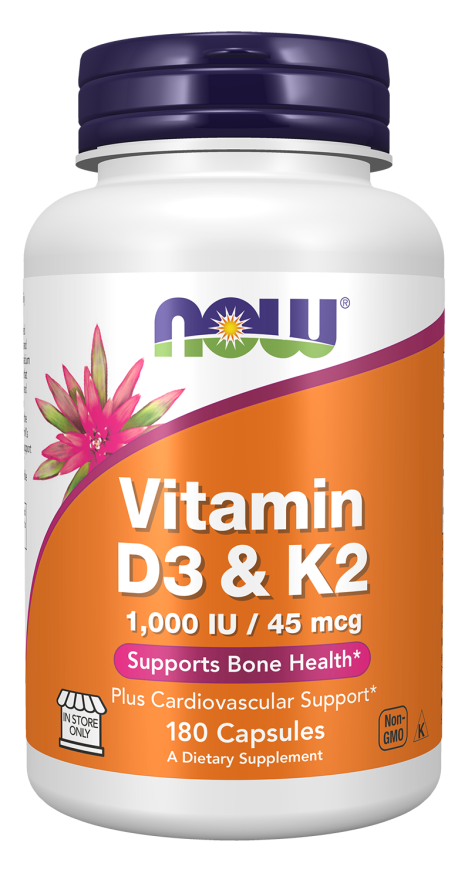
Vitamin D
Vitamin D is a fat-soluble vitamin that plays many roles in the body, including improving calcium absorption and bone health, supporting immune function, and supporting normal blood sugar metabolism, according to the National Institutes of Health (NIH).*
Your body synthesizes vitamin D from sunlight, and research suggests that spending time outdoors can help you get your daily dose. But if you’re not getting enough sunlight, a supplement can help fill the gap. “Springtime is when people are shaking off the winter funk,” Cording says. “Having good vitamin D status can really help you feel ready to get out there and start moving again.” She recommends looking for a supplement with vitamin D3 (cholecalciferol) because it’s more effective at raising and maintaining higher blood levels of vitamin D.
Vitamin K2
K2 is another fat soluble vitamin that pairs well with vitamin D. “Vitamin K2 plays a role in calcium regulation, as does vitamin D,”* Cording says. “Vitamin D can enhance calcium absorption, and K2 helps direct calcium into the bones where it’s most needed.”*
In addition to its impact on bone strength, research has linked vitamin K with heart health.*
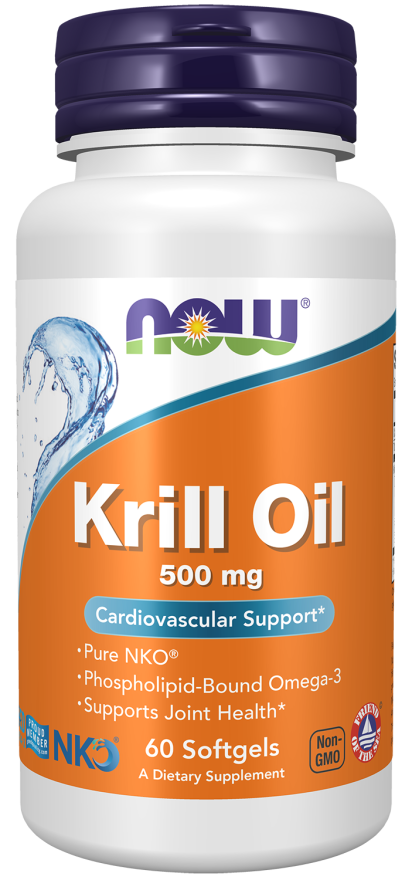
Krill Oil
If you’re following a plant-based diet or don’t eat oily fish at least twice a week, krill oil can help boost your intake of healthy fats. Krill oil is a rich source of omega-3 fatty acids, which support brain and heart health, per the National Institutes of Health (NIH).* There are three main types of omega-3s: alpha-linolenic acid (ALA), eicosapentaenoic acid (EPA), and docosahexaenoic acid (DHA). Krill oil provides both EPA and DHA.
What differentiates krill from other fish oils is that it delivers a highly-available form of omega-3s, per Cording. “It also has an antioxidant called astaxanthin, giving you a double-dose of effects,” she says. “That can be helpful from an energy and activity standpoint, but it also supports cardiovascular health.”*
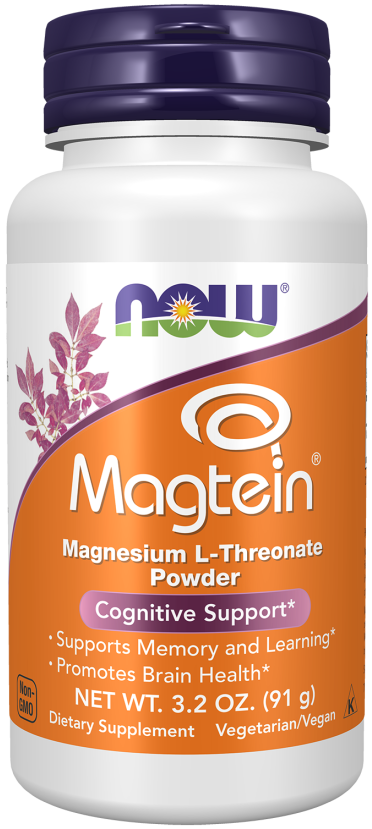
Magnesium
Magnesium is an essential micronutrient that’s involved in a range of processes in the body—including regulating heart rhythm, supporting muscle and nerve function, and building good bone structure. According to research, around half of Americans don’t get enough magnesium in their diets, making supplements a practical way to help close that gap.
Magnesium deficiency is linked with immune system imbalances in the body, while data suggests that supplementing with the mineral may help you sleep better.* “The big reason to consider a magnesium supplement, if nothing else, is for better sleep,” Cording says. “That leads to better cognitive function and better daytime energy, helping you get out more as we move into spring.”*
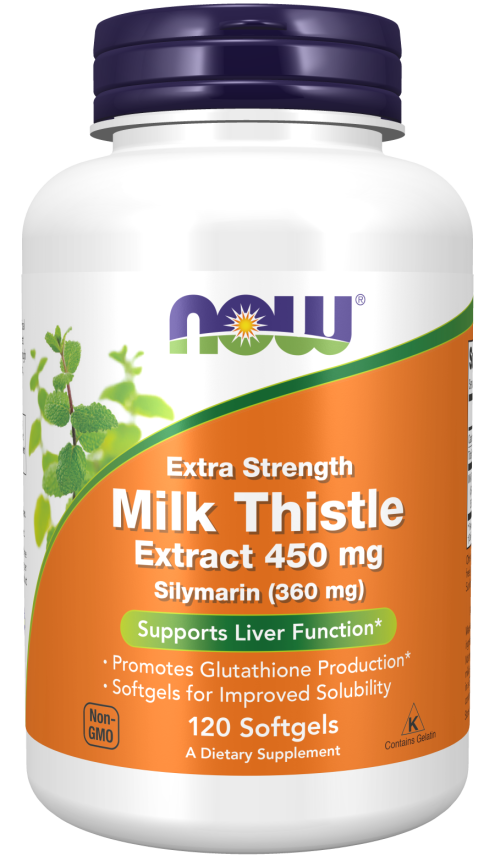
Milk Thistle Extract
Though it isn’t as widely known as some of the other supplements on this list, milk thistle extract is a herbal ingredient that could have a potential role in supporting liver function.* The plant’s active ingredient, silybin, “supports liver detox pathways and has been shown to have free radical neutralizing properties, along with protecting your liver cells from oxidative stress,”* Cording says. “That’s important for energy.”
Milk thistle may interact with some medications, which is why Cording recommends checking in with a healthcare provider before taking the supplement.
Probiotics
Probiotics are live microorganisms—often called “good” bacteria—that can offer health benefits when consumed, according to the NCCIH.* Many probiotic supplements offer strains similar to the bacteria that naturally live in your body, helping support digestion and maintain a healthy gut microbiome.*
“A good gut microbiome balance is really important to muscle and nerve reactions, mental function, combatting fatigue, and immune function,”* Cording says. When shopping for a probiotic supplement, Cording adds, “it’s beneficial to choose a product with a variety of probiotic strains.”
As you reset your routine this spring, the right NOW supplements can help fill nutritional gaps and support your training, recovery, and energy levels—whether you’re chasing new PRs or simply getting back into a more active routine.
*These statements have not been evaluated by the Food and Drug Administration. These products are not intended to diagnose, treat, cure, or prevent any disease.
Shop Spring Reset Supplements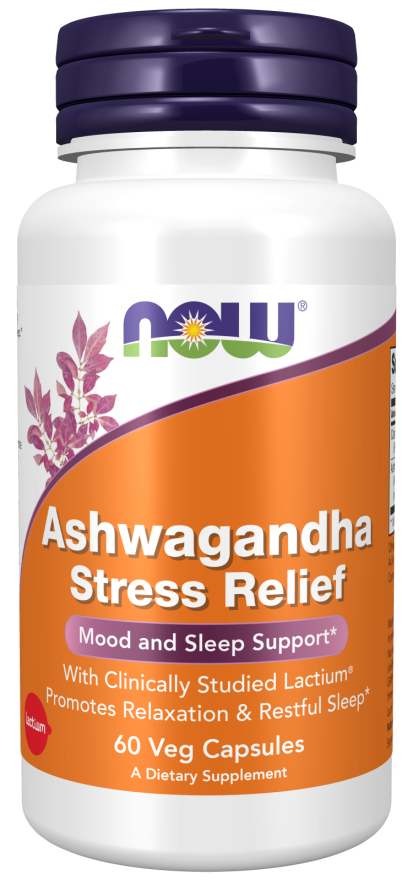
 UC-II® Type II Collagen
Now 46% Off
 Magtein Powder
Now 20% Off
 Extra Strength Milk Thistle Extract
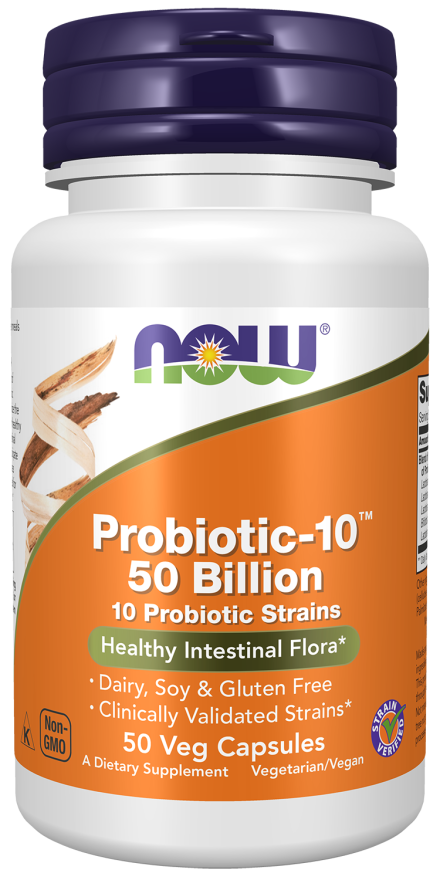 Probiotic-10™
Now 20% Off

Korin Miller is a writer who specializes in wellness, commerce, and lifestyle trends, with bylines appearing in Prevention, Yahoo News, Forbes, Food & Wine, and more. Korin is a former competitive runner and Division I athlete with six state championships under her belt. She has a master’s degree in new media from American University, and has more than a decade of health reporting experience. Korin has been ranked one of the most viewed journalists on Muck Rack for three years in a row. A former New York City resident, Korin now lives at the beach. When she’s not writing, Korin can be found chasing her four young kids around and occasionally trying to get some sleep.