 3 min read
HAVE YOU NOTICED that your package of bacon seems a bit smaller—or that your protein bars have a few less bars in a pack? Maybe you’ve realized that the numbers on the nutrition label for your protein powder are suddenly different. It’s true: Shrinkflation has come for your protein.
Just in case you’re unfamiliar with the term, “shrinkflation” is when food manufacturers reduce food package sizes or items in a multi-pack without announcing that they’re doing so. Or, sometimes, the manufacturers keep package sizes the same, but use more fillers in the product to reduce the cost of production. Edgar Dworsky, longtime consumer advocate and founder of ConsumerWorld.org, describes shrinkflation as the way that companies pass on a sneaky price increase to consumers: “You are getting less for your money. And if you are not paying attention, you may not even realize it. The best scam is the one when you never knew you’ve been taken.”
What’s causing today’s protein shrinkflation?
IN AN ECONOMY where the price of raw materials continue to climb, food manufacturers are trying to keep their own costs low by selling less food for the same price. It’s an effective strategy to avoid “sticker shock” in consumers, while recouping some of those higher costs.
But part of this is due to demand and part is because of supply, says David L. Ortega, PhD, food economist and professor at Michigan State University.
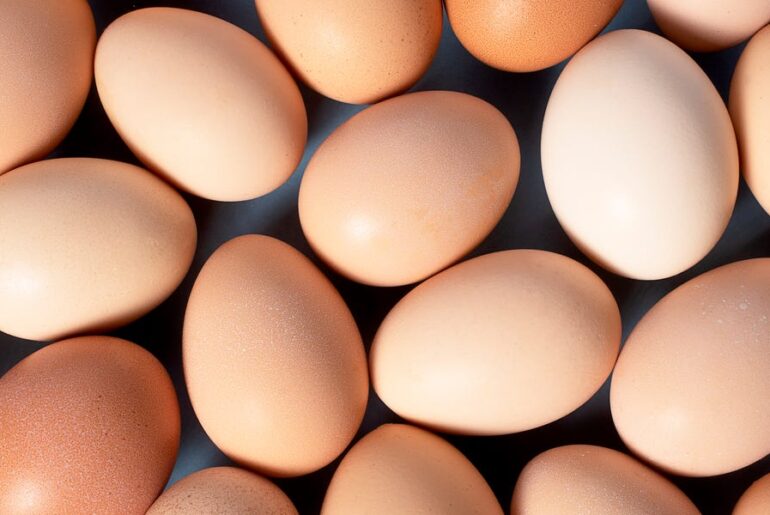
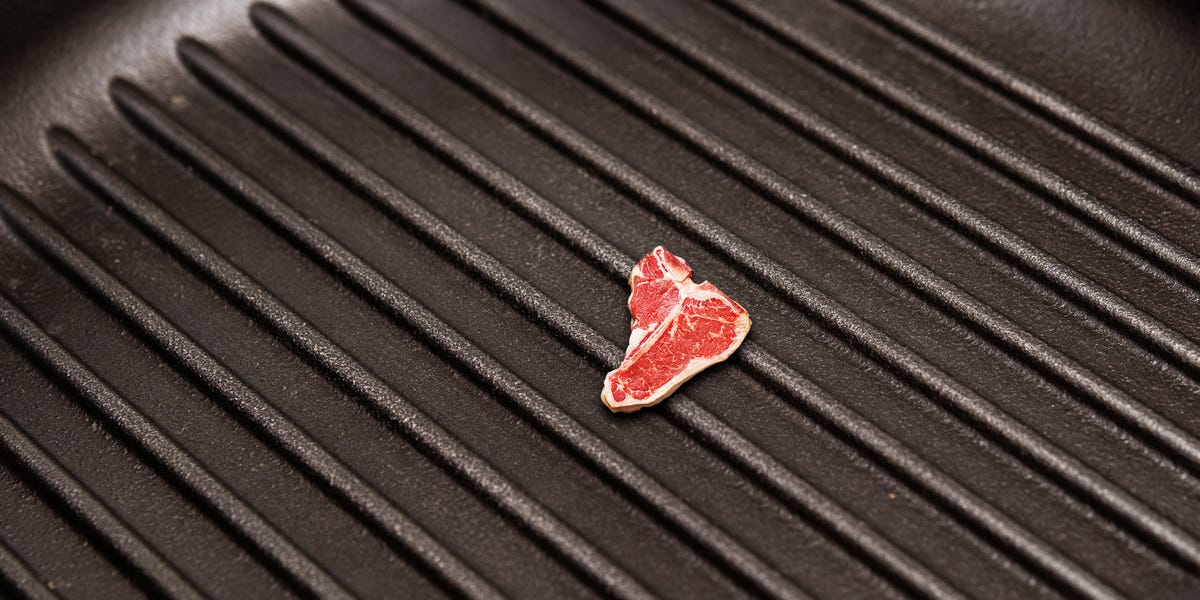
“High protein diets are driving demand for beef, at the same time as the U.S. cattle herd is at a 75-year low,” Ortega says. “For eggs, the bird flu outbreak that began in 2022 has been devastating, causing the U.S. to lose over 140 million birds. Prices have come down significantly from their peaks a year ago, but they remain above pre-pandemic levels and the market is still vulnerable to new outbreaks. For any product that uses eggs as an ingredient, like protein bars, baked goods, and prepared foods, those elevated costs add pressure which may result in shrinkflation.”
And as far as your jug of muscle-building powder? “Whey protein isolate prices have hit record highs and U.S. supply is very tight,” says Ortega. “An increasing number of Americans are now on GLP-1 medications, and whey protein is commonly recommended alongside them to preserve muscle mass. That surge in demand, on top of the existing fitness and wellness trend, has outpaced what manufacturers can produce.”
What can we do to avoid or manage shrinkflation?
WITH A CAREFUL eye.
“The only way that protein-conscious consumers will be able to recognize a change is to review the ingredients statement and the nutrition facts label of products they regularly buy, and note the amount of protein per serving,” says Dworsky.
For protein powders, this can manifest as fewer scoops per container, smaller serving sizes overall, or reformulations that swap pricier whey isolate for cheaper concentrate blends. So make sure you’re reading the Nutrition Facts Panel and the ingredients list.
(If all that sounds like work to you, Men’s Health has done the math for you in their best protein powders round-up.)
And then, along with calculating price per unit, Ortega recommends diversifying your protein sources. “With beef at record highs and whey in shortage, more affordable options like canned fish, chicken, beans, and lentils can help stretch a food budget,” he says.
Thinking of writing the company to complain about shrinkflation? Don’t expect miracles. “The only real way to avoid shrinkflation is to switch brands when your regular one starts to play games with the ingredients or the net weight,” Dworsky says. “Complaining to the company won’t get them to change the product back, but you might get some coupons in the mail.”

Abby Langer, RD is the owner of Abby Langer Nutrition, a Toronto-based nutrition consulting and communications company