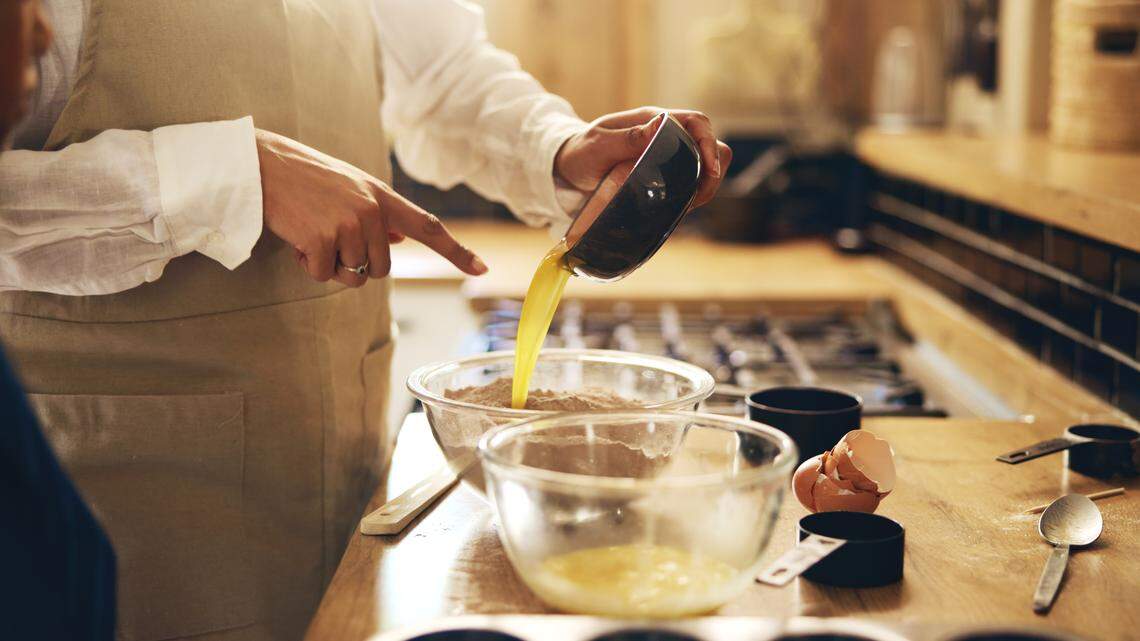
Butter moms are all about real ingredients: no rules, just nourishment.
Getty Images
A mom films herself making pasta from scratch, real butter, no apologies. Another posts a slow Saturday morning: sourdough rising on the counter, kids measuring flour with sticky hands, nobody counting anything. The comments fill up fast. “This is the content I needed.” “Raising my kids this way too.” “Finally.”
The butter mom trend has a look and a name, but what it’s actually pointing to runs deeper than a parenting aesthetic. It reflects a genuine, measurable shift in how people across generations are thinking about food, bodies and what healthy eating is even supposed to feel like.
What a Butter Mom Actually Is
The term positions itself as the direct opposite of the “almond mom“ — a parent rooted in diet culture, restriction and wellness perfectionism, a label that went viral on TikTok and struck a nerve for millions of people who recognized it immediately. A butter mom, by contrast, prioritizes wholesome, scratch-made meals using real ingredients, no strict food rules and a judgment-free approach to eating at home.
Butter moms are parents who embrace an “all foods fit” mindset while steering away from ultra-processed foods. Licensed therapist and creator Johanna Kulp, who helped popularize the term, has said her mission is making sure her kids never feel bad about food or their bodies.
That combination — real food, no shame, everyone at the table — is resonating far beyond new parents on TikTok.
A Broader Shift in How We Relate to Food
The cultural timing here matters. Many millennials came of age during the height of fat-free marketing, calorie-counting apps and body standards that shaped household conversations for decades. Diet culture wasn’t a personal choice. It was a societal current that pulled nearly everyone along with it.
What’s happening now looks like a correction. A 2026 survey found 60% of Americans prefer flexibility in how they eat, with roughly 25% no longer wanting to label foods “good” or “bad.” That shift in language away from moral framing around food reflects something practitioners and researchers have long advocated for, and consumers are now arriving there on their own terms.
The pull toward the table is real, too. HelloFresh’s 2025-2026 State of Home Cooking report found millennials lead all generations in regular sit-down family dinners, with 76% doing so most or every day of the week. That’s a generation prioritizing presence and ritual around food in a way the data hasn’t shown before.
Butter itself became a cultural symbol throughout 2025 and into 2026, showing up in viral recipes, elaborate butter boards and dinner table centerpieces, particularly as food costs climbed and people reached for what felt grounding and real. An ingredient once demonized by the low-fat era quietly became a stand-in for a different set of values: simplicity, pleasure, authenticity.
What the Research Supports
This isn’t just a vibe. A 2025 academic paper framed the almond mom critique as a deliberate, generational move away from diet culture — something researchers are now studying as a meaningful social shift, not a passing trend.
The wellness implications are significant. Parental food attitudes directly shape children’s long-term relationship with eating. And research shows that getting kids actively involved in cooking — not just watching — builds lasting food skills and healthier associations with meals. The butter mom emphasis on cooking together, eating together and removing judgment from the table has real, evidence-backed benefits.
The Nuance Worth Holding
Like any wellness trend, the butter mom philosophy is worth examining alongside its appeal. The “all foods fit” mindset it espouses doesn’t typically carve out exceptions, yet the identity does carry an implicit preference for scratch-made over packaged. For families navigating food insecurity, time constraints or picky eaters, that framing can quietly become its own form of pressure, even when the surrounding language feels warm and permissive.
The healthiest version of this shift isn’t about performing a particular kind of kitchen life. It’s about what sits underneath the trend: removing shame from the table, feeding people with care and letting nourishment be something that feels good rather than something to manage.
Why This Moment Matters
The butter mom trend, at its best, is wellness reframed. Not as optimization or restriction or a list of rules to follow, but as something closer to what most people actually want — food that feels good, shared with people they love, without the running commentary about whether any of it is allowed.
That is a meaningful shift. And the fact that it’s showing up in search trends, academic research and Saturday morning TikToks at the same time suggests it’s not going anywhere soon.
This article was created by content specialists using various tools, including AI.
Related Stories from Miami Herald

McClatchy Commerce
Allison Palmer is a content specialist working with McClatchy Media’s Trend Hunter and national content specialists team.