Countless programmes, rep ranges and methods are touted as the best way to get
stronger. While experts tend to agree on a few key principles, simply adding more reps may not be one of them.
‘If somebody can do 10 push-ups and a few weeks later they can do 50 because they’re practicing them every day, are they not stronger and therefore have more muscle to give them that strength?’ journalist Clare Johnston asked on a recent podcast episode. Exercise physiologist and women’s health advocate Dr Stacy Sims explained why this isn’t quite the case.
Doing more reps trains endurance, not strength
‘[In] strength training, your central nervous system recruits muscle fibres for contraction,’ Dr Sims began. The force a muscle produces depends on two things: ‘How strong the muscle contraction is and…how many muscle fibres are being recruited’, she continued.
‘If you go from 10 to 50 push-ups, [your body just] recruits more muscle fibres to do that action,’ she explained. ‘It doesn’t mean the muscle fibres are contracting stronger and more powerfully.’
In other words, doing more reps improves your ability to use a muscle repeatedly over time – also known as muscular endurance. To build strength, you need a stronger contraction, not just more of them.
Jordi Salas//Getty Images
Muscles need heavier load to build strength
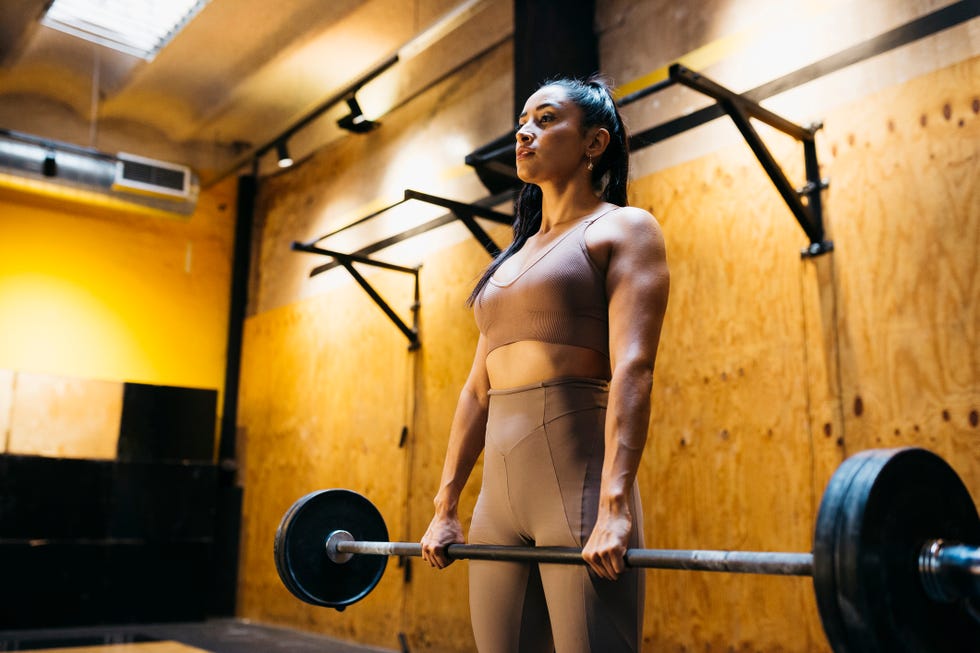
To achieve a stronger contraction, you need to increase the load, says Dr Sims. ‘We’re getting [two proteins involved in muscle contraction called] myosin and actin to hold onto each other a lot harder and to have a very strong and tight contraction – that’s what strength and power are,’ she added. (By contrast, muscular endurance involves lighter contractions.)
Rather than simply doing more bodyweight reps, you might work towards a goal like 10 push-ups with a 15kg weight on your back. ‘Then we’re getting a stronger hold of our contractile proteins together and getting more fibres being recruited for the endurance component,’ she said.
To build muscle mass, muscles need to be challenged with heavier loads – a key part of progressive overload. ‘It can’t just be more and more repetitions,’ Clare confirmed.
Building strength becomes more important with age
Increasing load becomes especially important as we age, when we begin to lose fast-twitch muscle fibres – the ones responsible for powerful contractions.
‘Women are born with fewer fast-twitch fibres,’ added Dr Sims, and the drop in oestrogen later in life may mean we lose these fibres ‘at a…rapid rate’.
To counter this, Dr Sims recommends lifting heavier than you think you can and incorporating explosive, high-intensity movements ‘like jumping‘. She points to a 60-year-old client as an example:
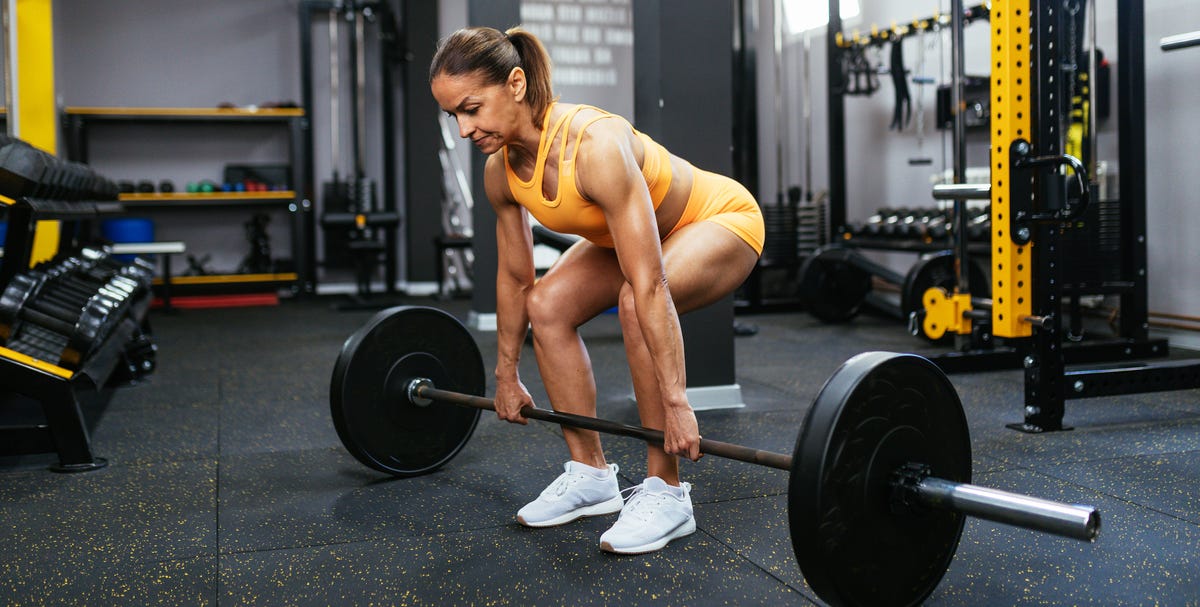
‘[At the beginning of the session, she wanted to] Romanian deadlift with two 6kgs; by the end, I had her on a hex bar and she was deadlifting 35kg, doing five sets of five reps with perfect form,’ she recalled.
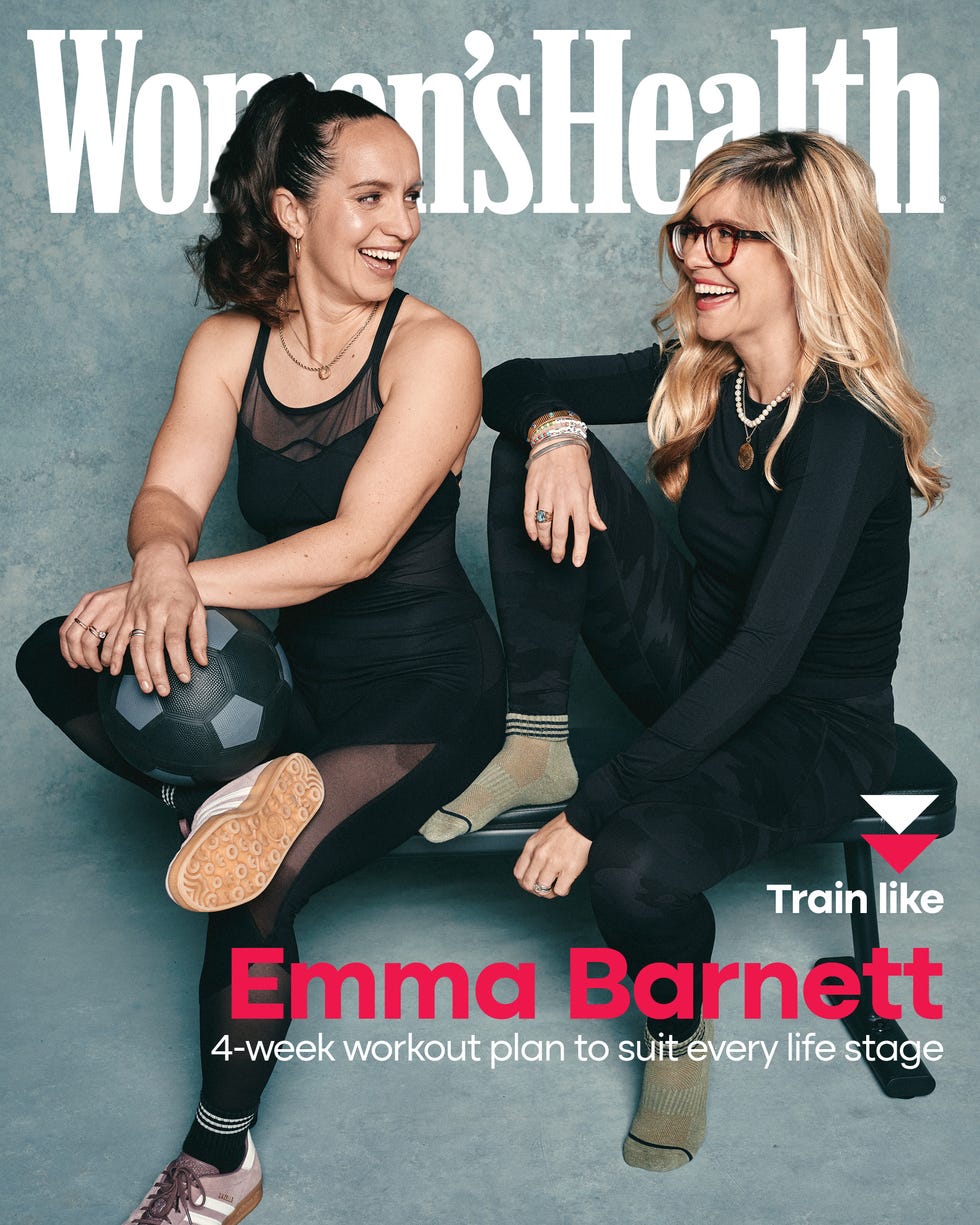
After years living with endometriosis and undergoing seven rounds of IVF, Radio 4 presenter Emma Barnett turned to training with PT Frankie Holah to rebuild strength and a more positive relationship with her body. Download the Women’s Health UK app to access Frankie’s full training plan.
 Related Stories