I’ve always known my nails aren’t exactly the vision of health. Years of back-to-back manicures (I can’t remember the last time they weren’t painted) have hidden their true state from me, as well as prevented me from being proactive about taking care of them.
Recently, I’ve started to notice my nails struggling. Despite having BIAB for some time (which is supposed to be pretty much unbreakable), they’ve had consistent breaks halfway down the nail bed. Yes, it’s ruined my manicures, but it’s also been pretty painful, not to mention worrisome.
So is it really necessary to ‘take a break’ from my regular nail appointments? It’s the age-old approach many nail aficionados live by: leaving the nails bare for some time to strengthen and grow them back to their former glory. I spoke to nail experts to determine how important this is, or whether you can restore your nails’ health while still having them done in the salon.
Article continues below
You may like
Should you give nails a break from manicures?
It’s important to note that nails are not a living tissue and therefore do not need to “breathe” per se, or be exposed to oxygen. But certain services and repeated applications can weaken them. For this reason, Tinu Bello, Senior Ambassador at Mylee advocates for time away from in-salon services, where nails can truly rest, recover, and exist in their natural state.
“Taking a break allows your nails to regain strength and restore their natural flexibility,” she explains. “It’s important for the long-term health of your nails. Even if nails appear strong and healthy, repeated stress can cause invisible damage that may worsen over time.”
If nails are particularly weak, peeling or very dry, and are cracking and breaking like mine, taking a longer break regularly is advisable. But if the nails are otherwise healthy, every few months or so should suffice. Bello says to look out for the signs (peeling, flaking, splitting, etc) as well as ridged or uneven surfaces, soreness at the nail bed, slow growth, or consistent breakage. “Any of these signs may indicate that your nails are under stress and need time to recover.”
How to restore your nails during a manicure break
According to Margaret Dabbs OBE, Founder of Margaret Dabbs London, it’s all about practising “gentle nail care,” which prioritises growth and recovery. It’s important to follow a rigorous routine during this time (more on this shortly), but the way you apply products is just as important. For one thing, “you should be ditching emery board nail files and use a good quality crystal nail file,” Dabbs says.
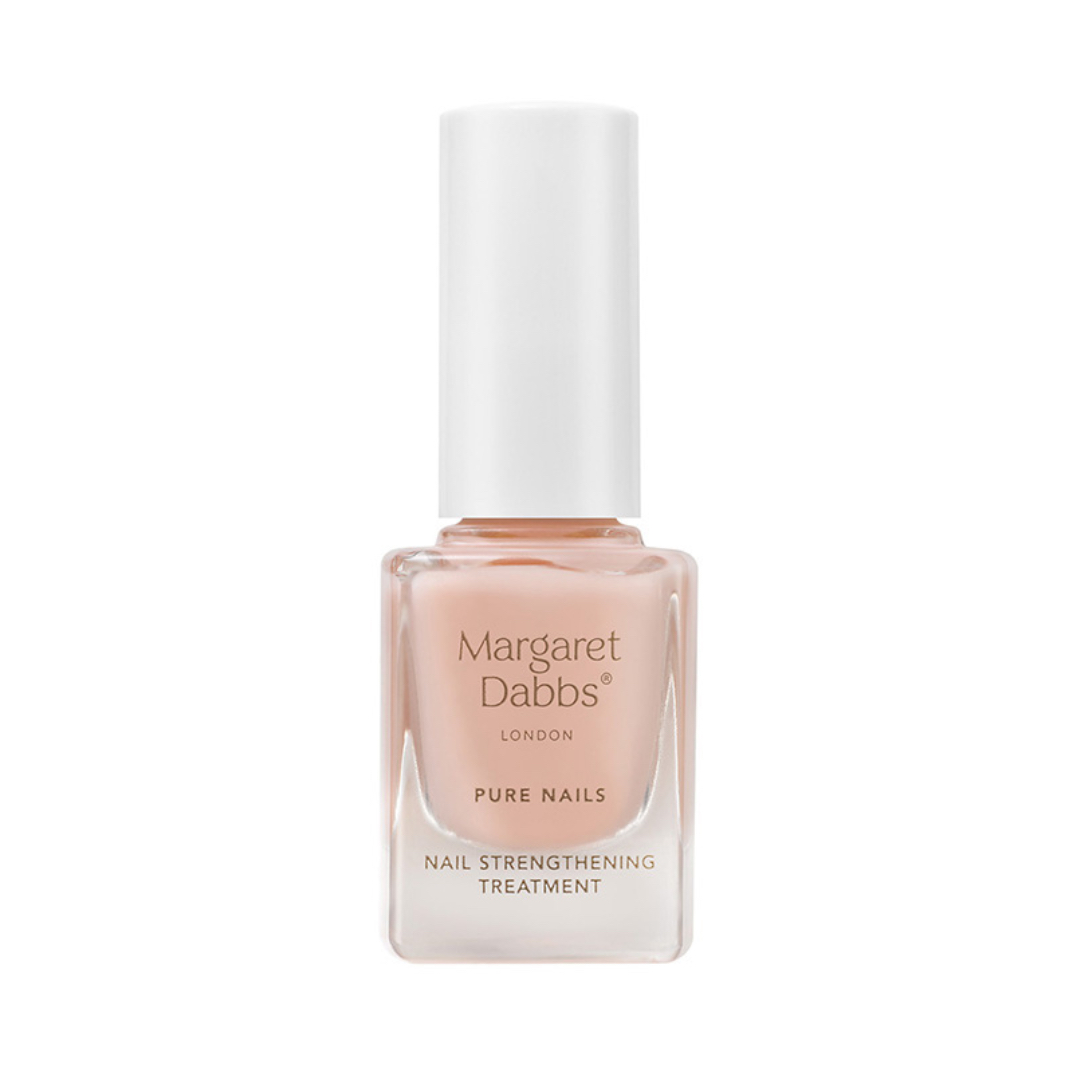
Treat
Margaret Dabbs
Nail Strengthening Treatment in The Marylebone
RRP: £16
With a subtle pink tint, this treatment contains fatty acids and vitamins to strengthen nails.
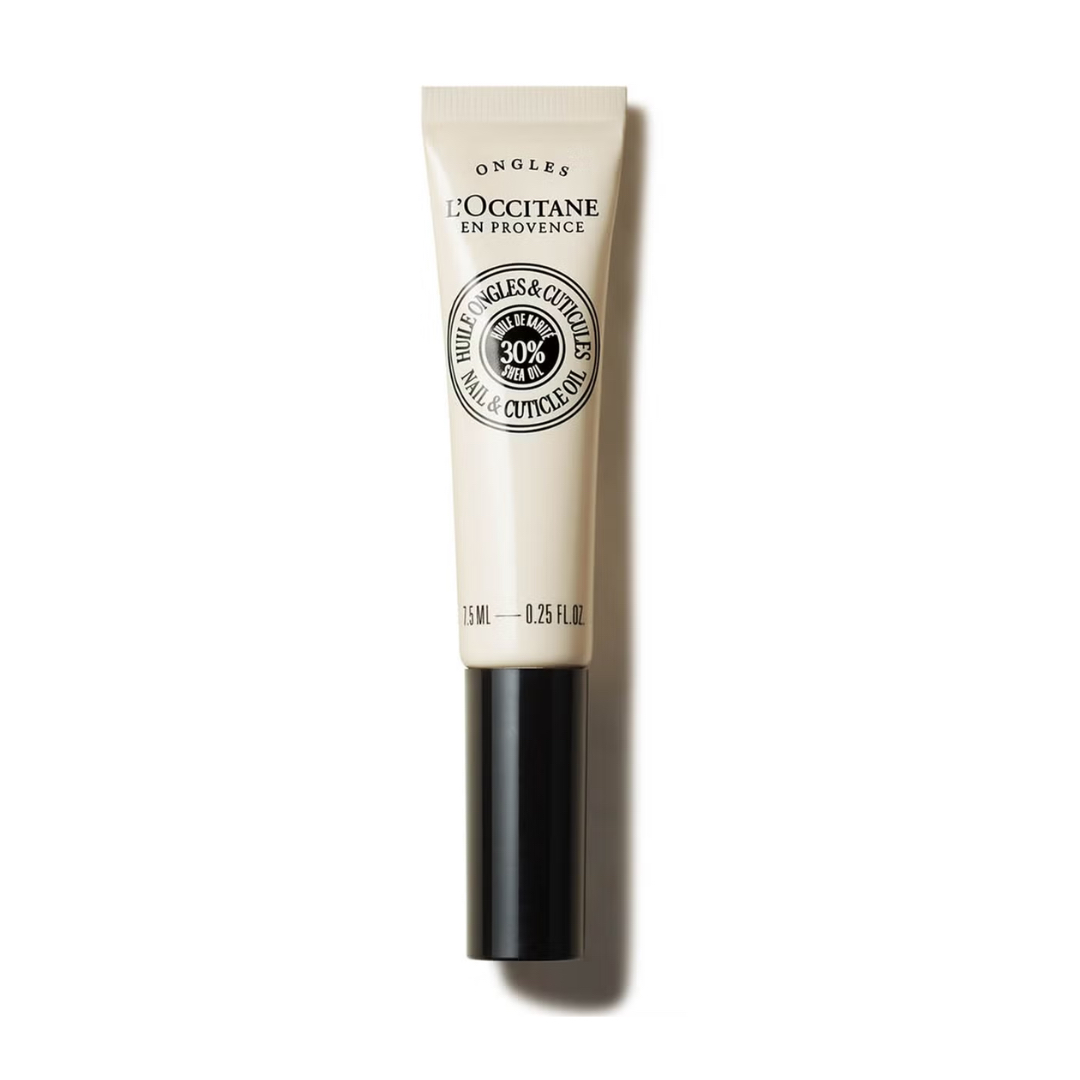
Nourish
L’Occitane
Shea (Karité) Nourishing Nail & Cuticle Oil
RRP: £16
We all need a good cuticle oil to hand, and L’Occitane’s is as effective as it is chic.
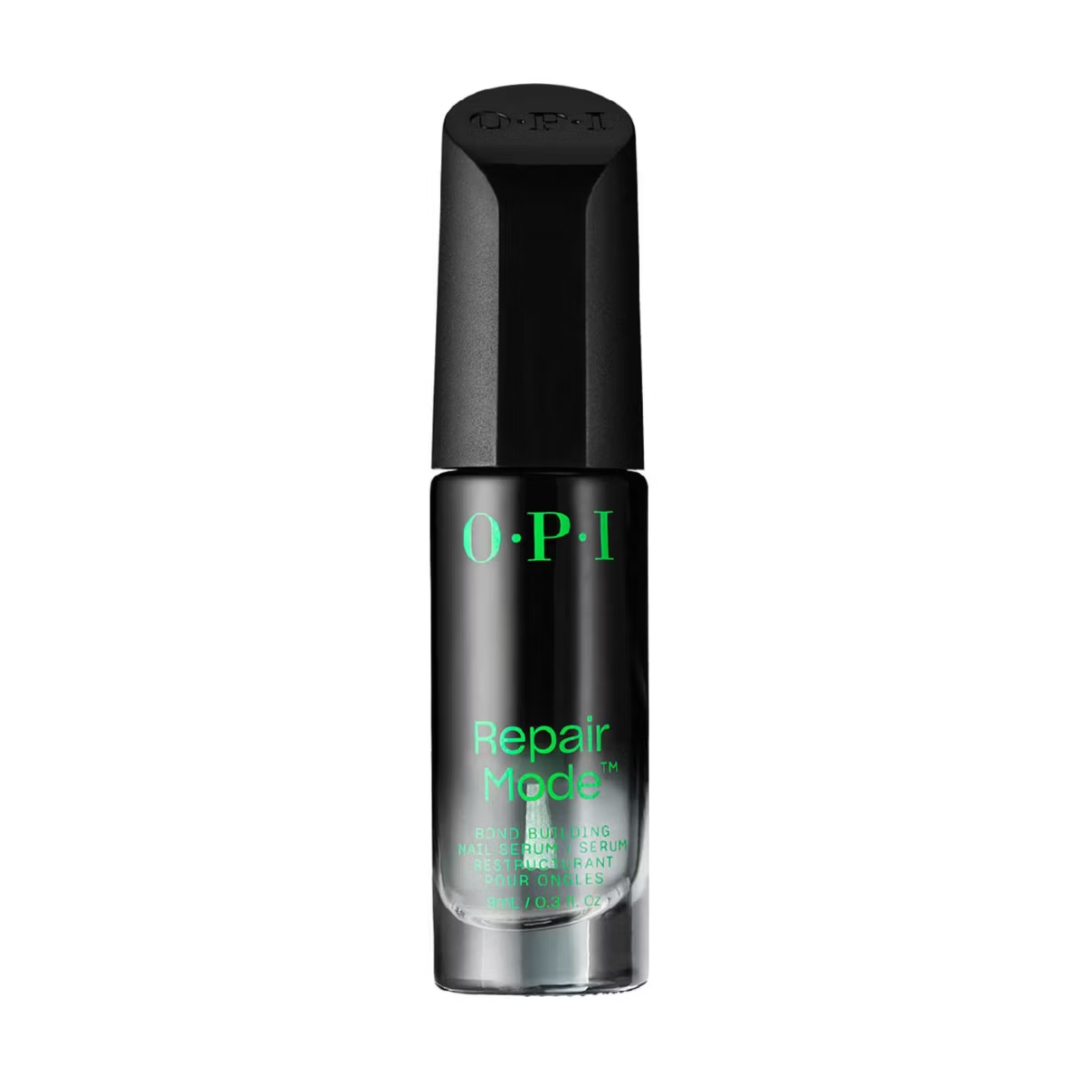
Repair
OPI
Repair Mode Bond Building Nail Serum
RRP: £29.90
Think your face is the only thing that needs a serum? Think again: this OPI formula uses bond-building technology.
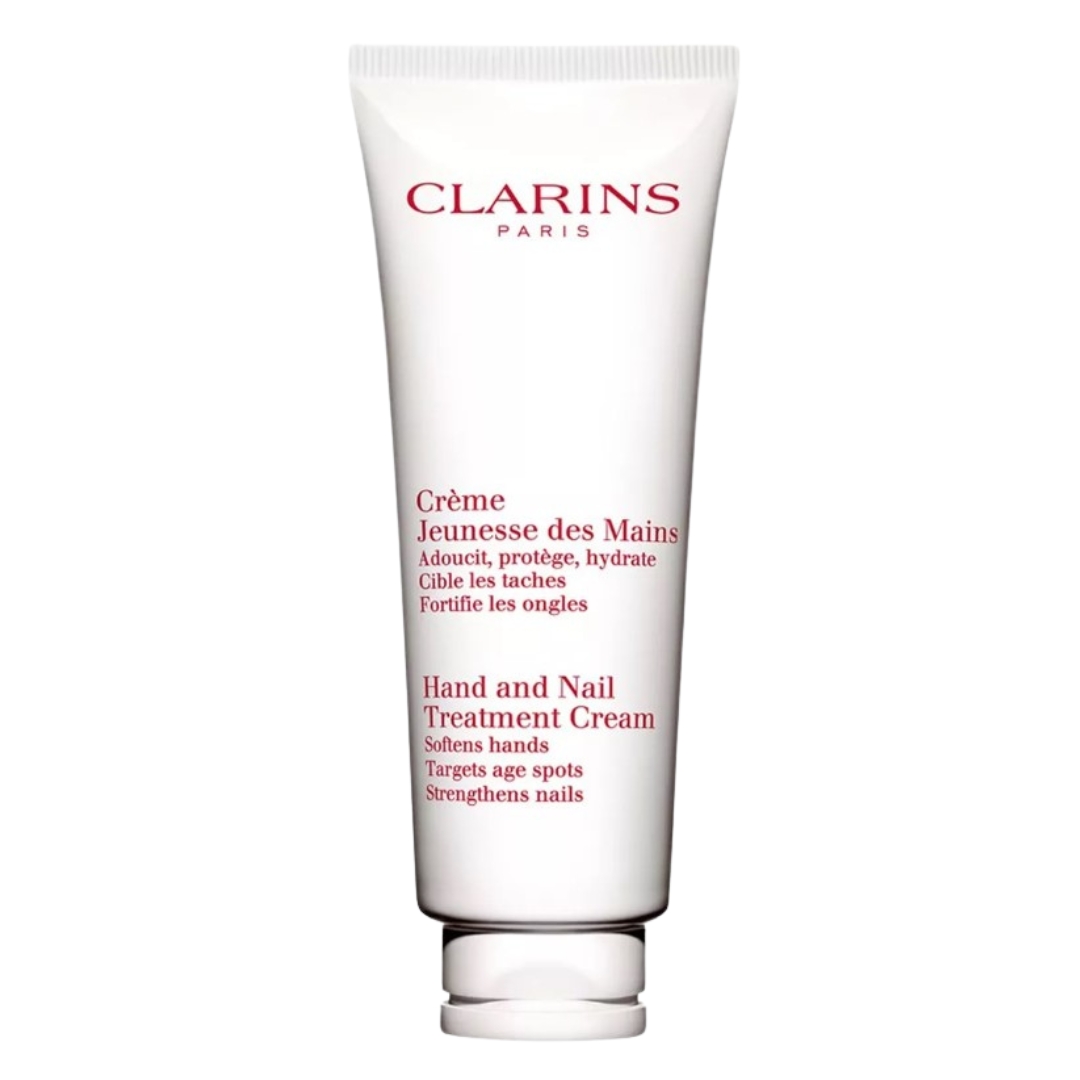
Hydrate
Clarins
Hand & Nail Treatment
RRP: £29
An icon for a reason: Clarins’ cream soothes and nourishes skin as well as nails.
Invest in some targeted products to heal the nails. These range from cuticle oils to nail hardeners (painted on like polish) and serums. Apply as frequently as you can throughout the day during this period, and keep a cream designed for both nails and hands with you at all times, to reapply after hand washing and whenever skin feels dry – I like Clarins’.
You can also make some lifestyle changes to help speed things up. “Protecting your hands from harsh chemicals by wearing gloves during housework and supporting nail health from the inside with a diet that’s rich in protein, biotin, and omega-3 fatty acids all contribute to stronger, healthier nails,” Bello says.
And when you do get back to your nail appointments, make sure you are visiting a specialised nail tech who prioritises your nail health, not just the manicure’s appearance. “Avoid aggressive filing, avoid abrasive instruments, acetone nail polish remover, or metal gel removal techniques,” says Dabbs. This will prevent long-term nail damage and mean more time is required between breaks. The sooner you can return to your beloved manicures, the better, right?
What to read next
How long should your nail break last?
Mostly, experts say, it’s about checking how quickly your nails respond and heal during said break. You should be looking for less breakage, more shine, and a complete absence of soreness or inflammation.
“You should aim for at least one to two weeks completely product-free to allow your nails to begin recovering,” explains Bello. “You can return to manicures when your nails no longer peel or split, feel flexible without bending, and are fully hydrated and healthy. Essentially, when they look and feel strong and balanced again, it’s safe to reintroduce enhancements.”
What to do – and not do – during a nail break
Taking a nail break looks like “pausing from any enhancement products, including gel polish, Builder products, acrylics, or extensions so that your natural nails can recover,” says Tinu. These treatments, she notes, are great for the nails’ appearance, but equally can “dehydrate the nail plate [and] weaken it over time, and sometimes cause peeling, splitting, or thinning.”
It’s worth considering the type of product being used. Bello argues that acrylic nails, “which use strong chemicals and require filing,” can be most demanding on the nail. However, she adds, “nail polishes containing formaldehyde, toluene, or DBP can cause dryness and brittleness, and frequent use of soak-off gels without proper care can thin the nail plate over time.”
It’s not just the product itself, but the overall service. As well as curing under UV or LED lamps, the process can also sometimes include “excessive nail buffing and cuticle manipulation, leaving nails vulnerable to damage and potential infections,” adds Dabbs.