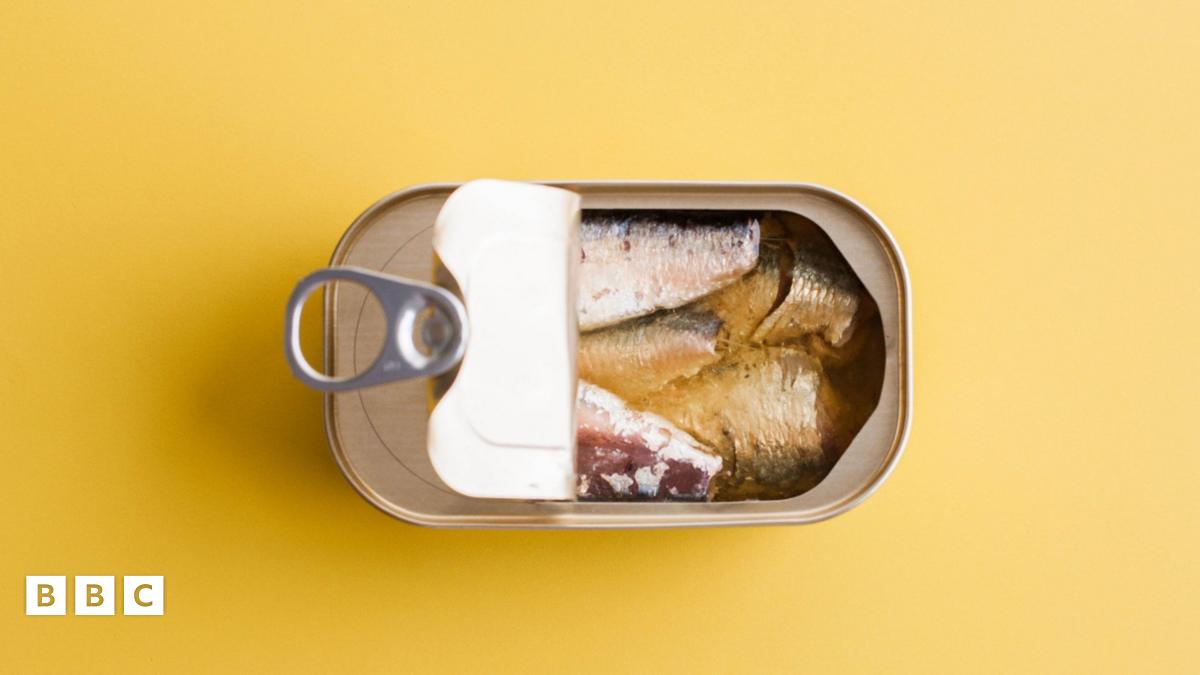
Some foods naturally come with vitamin D, such as:
Other foods and drinks are fortified with vitamin D, meaning it gets added during the production process. These include:
Infant formula
Some breakfast cereals
Plant-based milks
Fruit juices
But, unfortunately, it’s very difficult to get enough vitamin D from food and drink alone.
This is why the NHS, external recommends everyone over the age of five considers taking a daily supplement during winter months (it advises children under five and people at risk of deficiency should take supplements year-round).
But some experts have concerns about regularly taking vitamin D supplements – especially if people take excessive amounts. The NHS advises that taking more than 100mcg of vitamin D a day could be harmful, external.
One worry is that because vitamin D is fat-soluble, it can build up in the body. This could lead to vitamin D toxicity, and in turn damage the heart, kidneys and bones.
So if you decide to supplement, be sure to check the dosage, as many vitamin D supplements contain more than you need.
Remember, it’s difficult to know how much vitamin D you are getting from other sources in addition to a supplement.