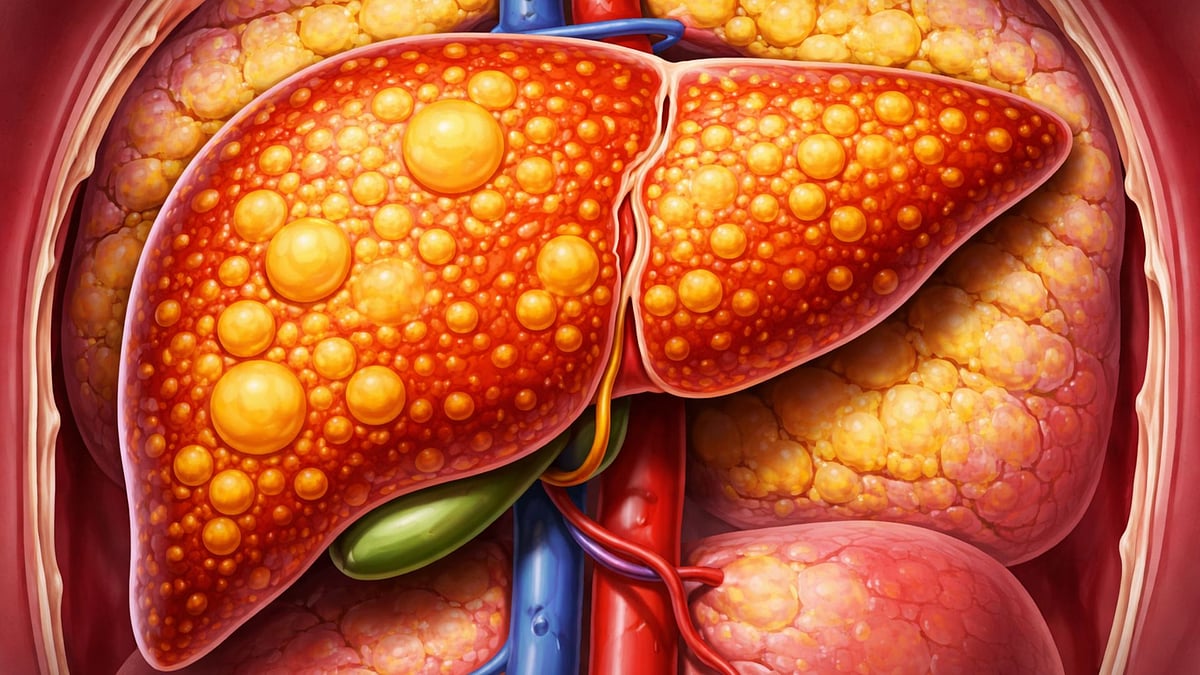
Fatty liver disease has become increasingly common worldwide, on par with obesity, and is rising at an alarming rate. It is primarily driven by factors such as poor dietary habits and a sedentary lifestyle. According to the American Liver Foundation, metabolic dysfunction-associated steatotic liver disease (MASLD) refers to the buildup of excess fat in liver cells not caused by alcohol.
This widely prevalent condition is also known as NAFLD (non-alcoholic fatty liver disease). While it is normal for the liver to contain a small amount of fat, it is classified as fatty liver, or steatosis, when fat accounts for more than 5% to 10% of the organ’s total weight.
However, a new study by researchers at the Ulsan National Institute of Science and Technology, published in the latest edition of science journal ScienceDirect – Metabolism, has identified a promising way to prevent this high-risk disease.
Researchers involved in the South Korean study say that vitamin B3, a simple, affordable, and easily available nutrient, may help stop or even reverse liver damage. This could be important because there are currently very few direct treatments available for fatty liver disease.