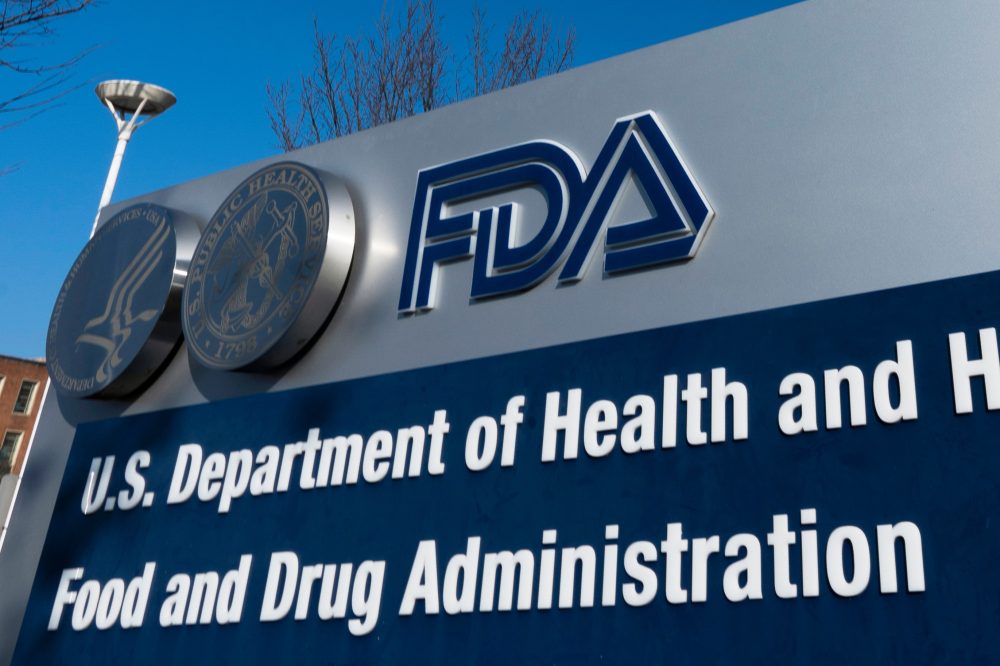
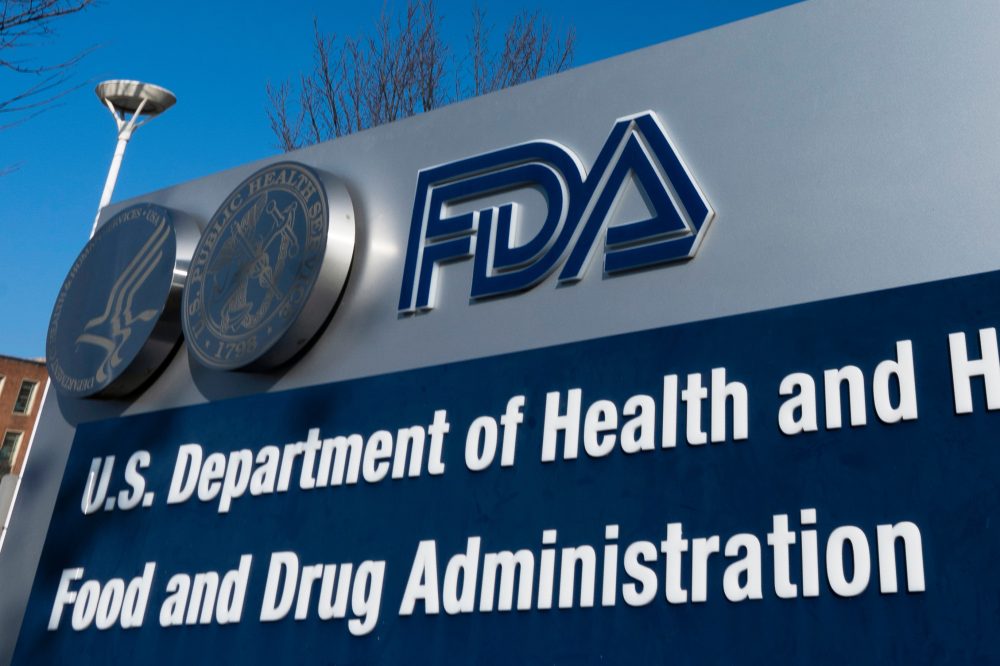
Dietary supplement manufacturers are urging the FDA to broaden ingredient regulations to include peptides, probiotics, and other wellness substances not traditionally found in food. The push comes as Robert F. Kennedy Jr., now the nation’s top health official, has pledged to reduce FDA restrictions on these products.
WASHINGTON (AP) — Companies that manufacture dietary supplements are urging federal regulators to broaden the range of substances allowed in their products, potentially paving the way for expanded sales of peptides, probiotics, and other popular wellness compounds.
On Friday, the Food and Drug Administration conducted a public forum to examine its established guidelines for supplement ingredients and consider whether to permit components not derived from traditional sources like food, vitamins, or herbs. Agency representatives listened to presentations from industry leaders, consumer protection groups, and researchers.
This marks the first such gathering since Robert F. Kennedy Jr. assumed his role as the country’s leading health official last year. Kennedy has promised to “end the war at FDA” against dietary supplements, peptides, and similar products championed by his Make America Healthy Again initiative.
The Natural Products Association, a trade organization that has disagreed with FDA policies on certain emerging supplement components, requested Friday’s session. In a January correspondence, the group cited “the cost and uncertainty that arise when regulatory expectations are unclear.”
Here’s background on the matter:
Current FDA guidelines classify supplements as a food category, requiring most components to originate from plants, herbs, and other materials present in typical American diets.
This standard has created obstacles for manufacturers in recent years as contemporary wellness items frequently contain compounds never previously consumed as food.
Take peptides, for example — these are drug-like sequences of amino acids that celebrities and social media personalities have heavily promoted for muscle development and anti-aging benefits, despite limited scientific evidence supporting their effectiveness.
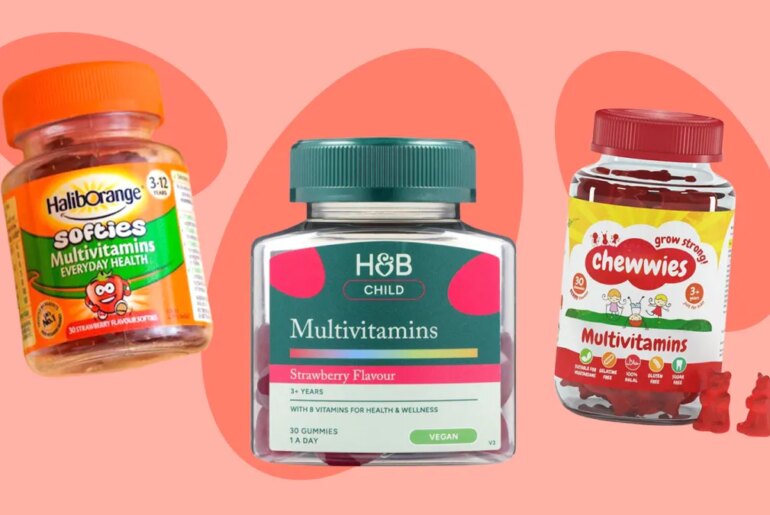
Numerous specialized pharmacies and medical facilities distribute them through injections or intravenous treatments, while some supplement producers have started incorporating them into pills, gummy products, and powdered formulations.
According to FDA attorneys, such products technically breach agency regulations. Similar violations apply to specific probiotic varieties — bacterial products marketed to support digestive function and intestinal wellness.
Manufacturers contend that existing FDA legislation doesn’t explicitly require all components to originate from food sources.
“The hope of the meeting is that FDA is willing to open up its interpretation of what constitutes a dietary ingredient to allow dietary substances that aren’t already in food,” explained Robert Durkin, a former FDA supplements program official who currently provides consulting services to companies.
Should the agency refuse to revise its definition, the industry might pursue legal action. A 2024 Supreme Court ruling diminished federal agencies’ power to interpret legislation and create regulations based on their own preferences.
Kennedy recently expressed strong support for peptides, informing podcast host Joe Rogan that he has personally utilized them for injury treatment. He also committed to relaxing FDA restrictions on injectable peptide production, which currently faces federal safety limitations.
Several Kennedy associates and supporters advocate for these substances, including Gary Brecka, who describes himself as a “longevity expert” and markets peptide injections, patches, and nasal applications through his online platform.
Dr. Mark Hyman, another Kennedy associate, markets numerous dietary supplements through his website, including products claiming to contain peptides.
Two former health advisors from Kennedy’s presidential campaign also maintain industry connections.
Calley Means, currently serving as a senior advisor at the Department of Health and Human Services, helped establish an online service that enables consumers to purchase supplements and wellness products using tax-exempt health funds.
Dr. Casey Means — his sister and President Donald Trump’s nominee for surgeon general — earned hundreds of thousands of dollars endorsing supplements, probiotics, and related merchandise, according to financial disclosure documents.
Unlike its rigorous drug approval process that verifies safety and effectiveness, the FDA doesn’t conduct similar reviews for dietary supplements. The agency doesn’t even maintain a comprehensive registry of available products.
With approximately 100,000 or more supplements currently sold, manufacturers bear legal responsibility for ensuring product safety and honest marketing, the FDA states. Supplements cannot claim to cure specific illnesses or medical conditions.
The 1994 legislation granting FDA authority over the industry also freed supplement makers from nutrition labeling standards that require companies to provide scientific backing for health assertions.
Instead, supplement producers may make broader statements, such as claiming their products maintain or enhance general health and wellness.
Some former agency officials believe this framework was problematic.
“It sanctioned unauthorized, implied health claims,” stated Mitch Zeller, who handled supplement matters at the FDA during the 1990s. “There are all manner of claims being made on supplement labeling or in advertising that are carefully worded to avoid making a drug or treatment claim.”
Companies may also assert their products enhance bodily structure or function, such as bone strengthening. Items making general or specific assertions must include a disclaimer: “This statement has not been evaluated by the FDA.”