Listen to article • 0:00 min
You may have seen a stroke in an older relative who cannot move or speak easily or even dies because of it. But have you ever heard of a stroke in a newborn?
Sadly, as baby doctors, we see newborns who have suffered strokes from either a lack of blood flow or bleeding in the brain. Babies can’t talk, so it can be hard to know when they suffer a stroke until serious signs appear. More fussiness, sleepiness, and vomiting can occur, but often a stroke is diagnosed when a baby has seizures or stops breathing. Babies who suffer a stroke may have long-term brain damage. They can develop epilepsy. A stroke can even be fatal.
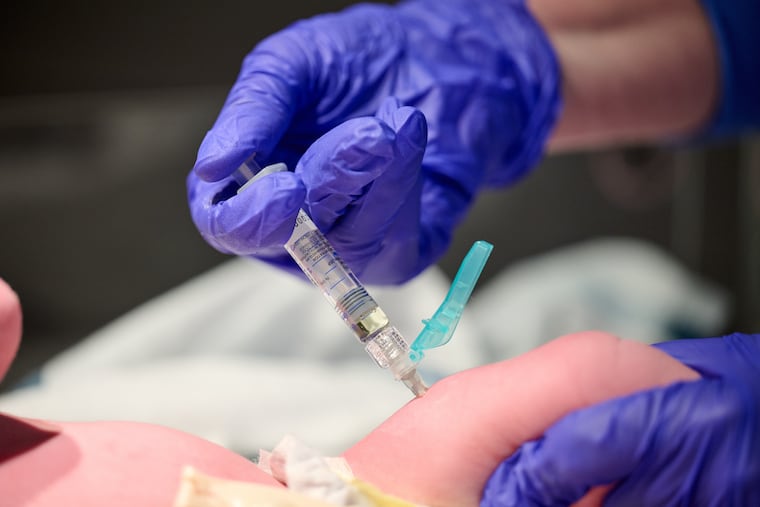
So why do we think of strokes as something that only affects older adults? That reason is vitamin K. Our bodies need this vitamin to help our blood clot normally. Scientists found out a long time ago newborns and young babies lack enough vitamin K at birth, and don’t catch up until they are several months old. For over 60 years, hospitals have given all newborns a shot of vitamin K shortly after birth. Routine use of the vitamin K shot has meant cases of catastrophic bleeding from vitamin K deficiency — and strokes in babies from bleeding in their brain — have nearly disappeared in the U.S.
Without the vitamin K shot, babies are over 80 times more likely to have a devastating bleeding event. Yet alarmingly, there is a growing trend among families to refuse the vitamin K shot for their newborn. Why? The reasons we hear from parents and families vary. Often families think it is unnecessary unless their baby gets a procedure like a circumcision. Or they believe it’s a vaccination (it’s not!). Some worry about side effects like pain from the shot, allergic reactions, or preservatives harming their baby. None of these concerns are supported by science or outweigh the benefits of protecting your baby against potentially devastating internal bleeding.
Pediatricians don’t endorse artificial or unnecessary supplements for babies. So we understand why parents are questioning and protective of their newborns. We also absolutely support the vitamin K shot for every baby at birth. It is an essential part of newborn care. When asked if babies can eat vitamin K instead of getting the shot, we acknowledge this approach has been taken in other countries — but it involves weeks of treatment and is not as good as getting the one shot at birth. There is also no FDA-approved vitamin K to give your baby by mouth, so families should be very cautious of anyone offering it to them online for a fee.
» READ MORE: More parents are declining the vitamin K shot for newborns, CHOP study finds
As doctors who care for infants in intensive care units, we see babies have strokes because they did not get vitamin K. We stand by families through the grief of knowing unfixable brain damage occurred in their healthy infant because of an easily treatable vitamin deficiency. We watch parents sit by their babies as they endure IVs, blood draws, medications, and even breathing machines to stay alive after a stroke. A quick needle poke would have prevented this horror. There is no risk from the vitamin K shot. The brief pain of injection is nothing compared to the overwhelming protection it offers.
When you are told your baby needs a vitamin K shot after birth — please say yes. Ask questions about any concerns you have, talk with your healthcare team because they want to support you, and visit Pediatric Health Chat if you want more information – but get the shot. Any trained medical professional who truly cares for infants will give you this advice.
The views expressed in this article are those of the authors and not necessarily those of CHOP. This information is not intended to provide medical advice, diagnosis, or treatment. Always consult a qualified healthcare professional regarding any health or medical concerns.
Joanna Parga-Belinkie is a neonatologist working at the Hospital of the University of Pennsylvania and the Children’s Hospital of Philadelphia. She is a co-founder of Pediatric Health Chat, an online initiative at CHOP taking aim at the latest myths and misconceptions about children’s health.
Karen Puopolo is the medical director of newborn care at Pennsylvania Hospital and a clinical neonatologist at CHOP.
Lori Christ directs neonatology and newborn services at the Hospital of the University of Pennsylvania and is a neonatologist at CHOP.
John Chuo is medical director of telemedicine and a neonatologist at CHOP.