Medically reviewed by Kierra Brown, RD

Credit: Malkovstock / Getty Images
People with IBD are at higher risk of vitamin B12 deficiency due to inflammation and impaired absorption in the small intestine.
Vitamin B12 supports energy production, red blood cell formation, and nerve function.
B12-rich foods like fish, dairy, eggs, and fortified options can help support intake.
People with inflammatory bowel disease (IBD) are at higher risk of vitamin B12 deficiency due to inflammation, reduced intake, and impaired absorption. Here are eight other foods high in B12 to consider.
1. Beef Liver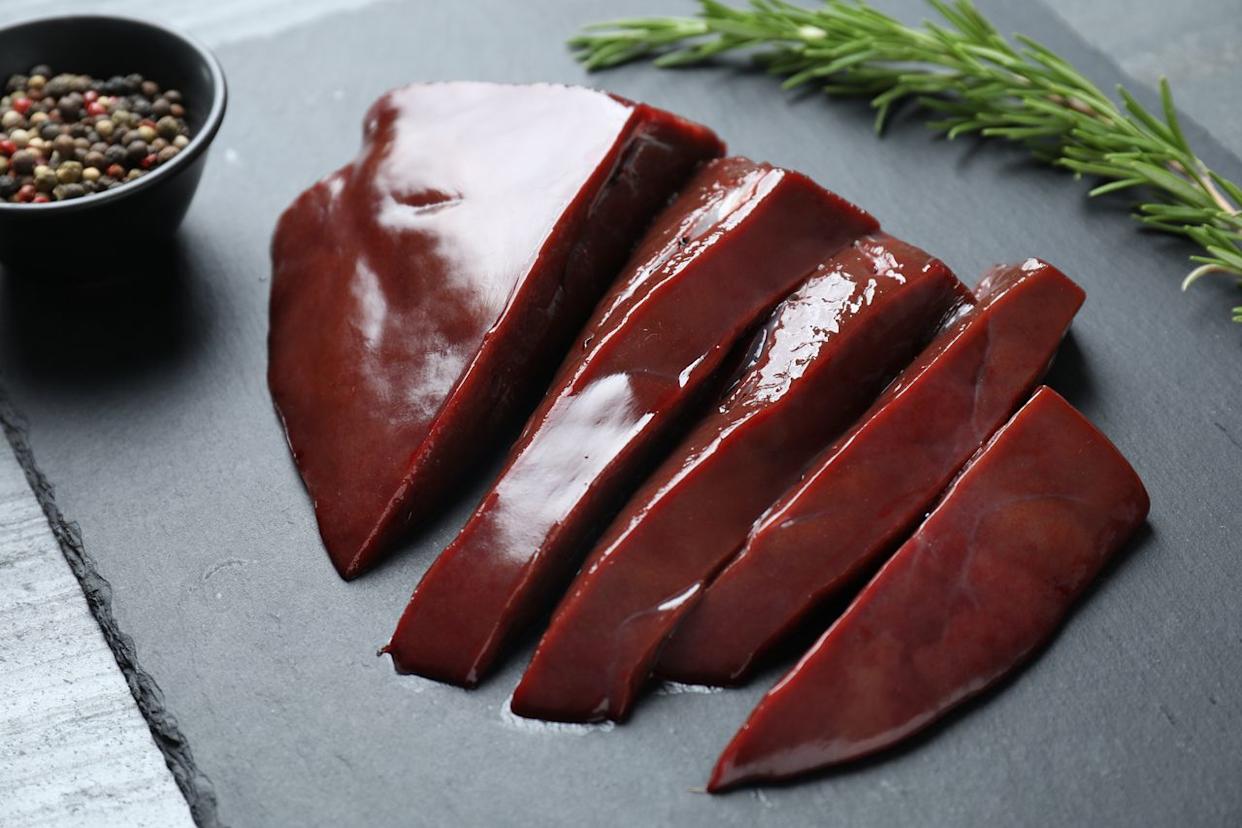
Credit: Liudmila Chernetska / Getty Images
Vitamin B12: 70.7 micrograms (mcg) (2944% of the Daily Value (DV))
Serving size: 3 ounces (oz)
Beef liver is a concentrated source of vitamin B12, providing almost 3000% of the daily requirement in a single serving. It’s also rich in iron and vitamin A, which support red blood cell production and immune function.
Vitamin A is a fat-soluble vitamin, which means it’s stored in the body instead of being excreted in urine like water-soluble vitamins. Enjoying it occasionally, in small portions, offers benefits without increasing the risk of toxicity.
2. Salmon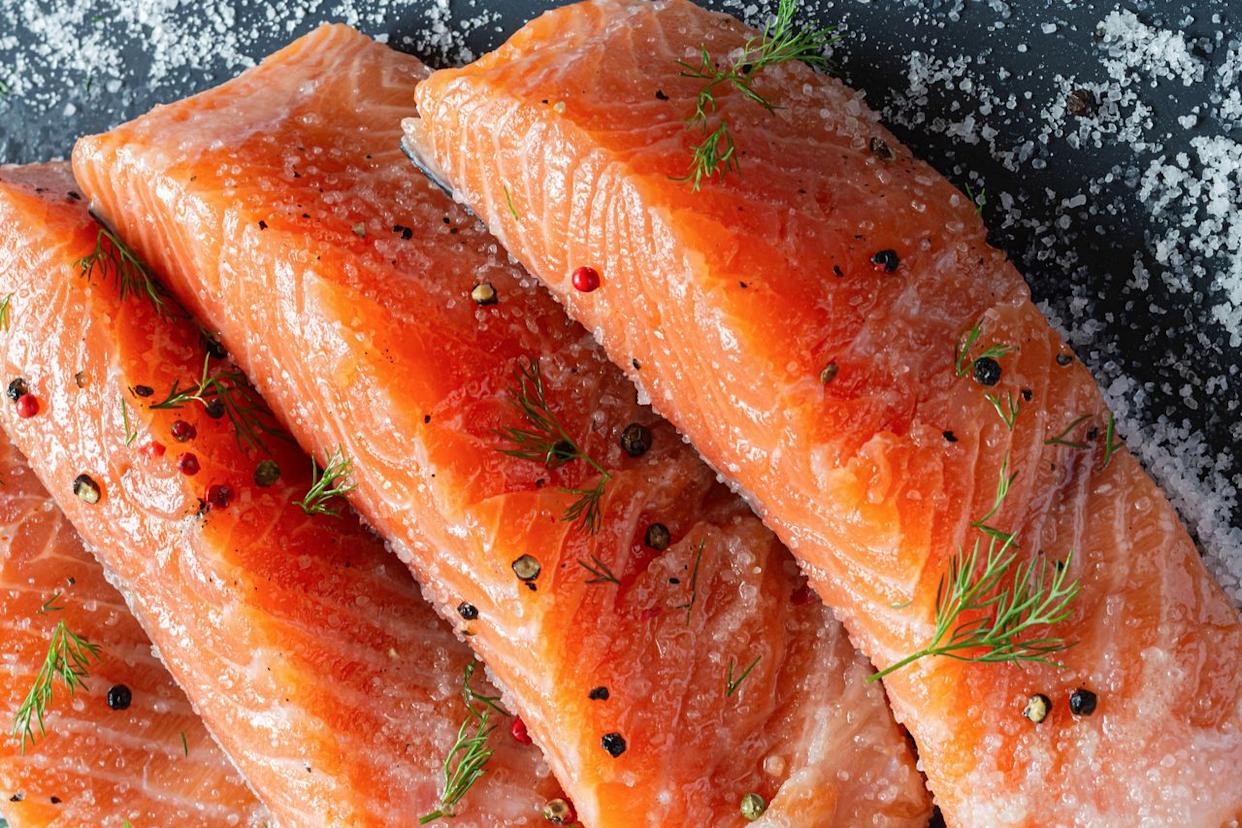
Credit: VIKTORIIA DROBOT / Getty Images
Vitamin B12: 2.6 mcg (108% of the DV)
In addition to vitamin B12, salmon contains omega-3 fatty acids, which research suggests may help support gut health by reducing inflammation and promoting a healthier intestinal environment.
Salmon is also a good source of protein and vitamin D, which support immune function and overall nutrition. Because salmon is higher in fat, it may be harder to digest for some people with IBD, so starting with smaller portions may help.
3. Nutritional Yeast (Fortified)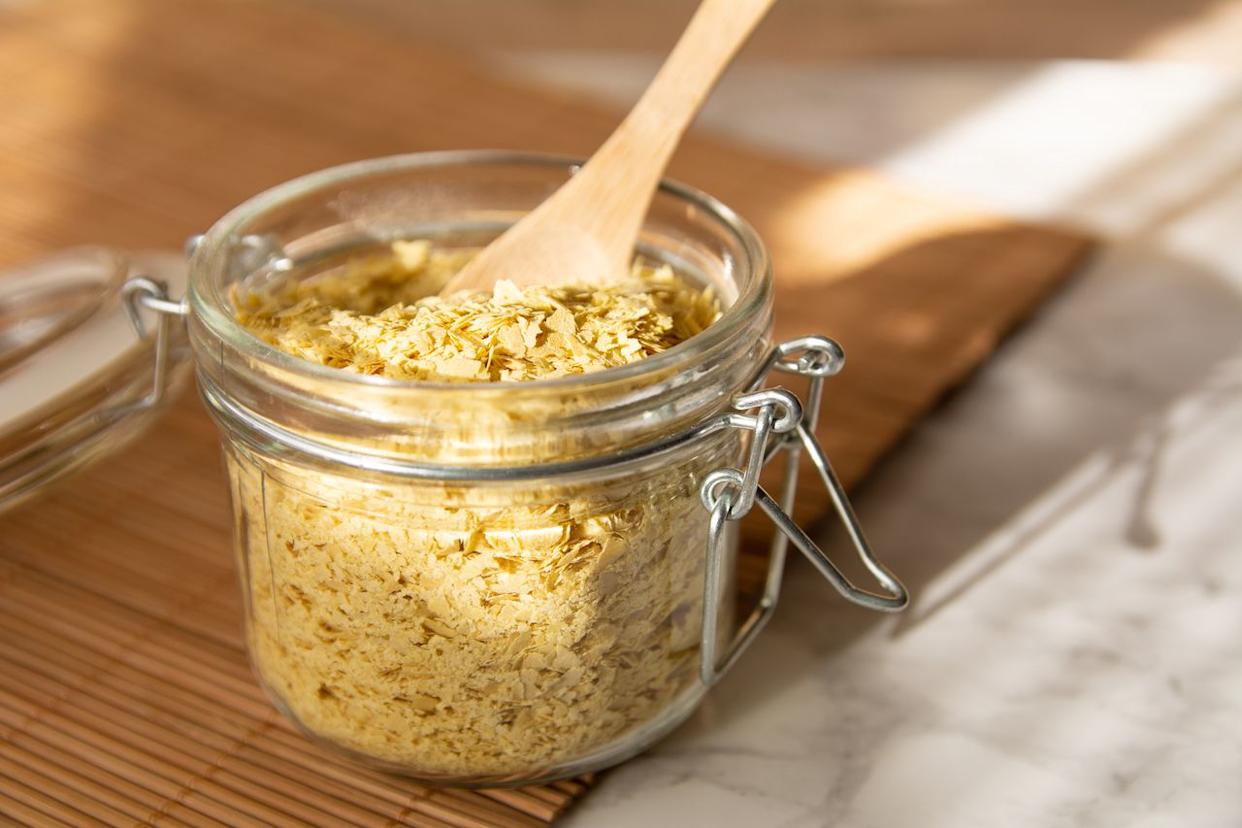
Credit: Gema Alvarez Fernandez / Getty Images
Vitamin B12: 15 mcg (630% of the DV)
Serving size: 2 tablespoons
Fortified nutritional yeast is a convenient plant-based source of B12, since vitamin B12 is not naturally found in plant foods unless they are fortified (meaning B12 is added to the product). It has a mild, cheesy flavor and can be sprinkled over foods like eggs, rice, or roasted veggies.
Because it’s used in small amounts and is low in fiber, it’s often well tolerated. Just be sure to check the label as only fortified versions contain B12.
4. Greek Yogurt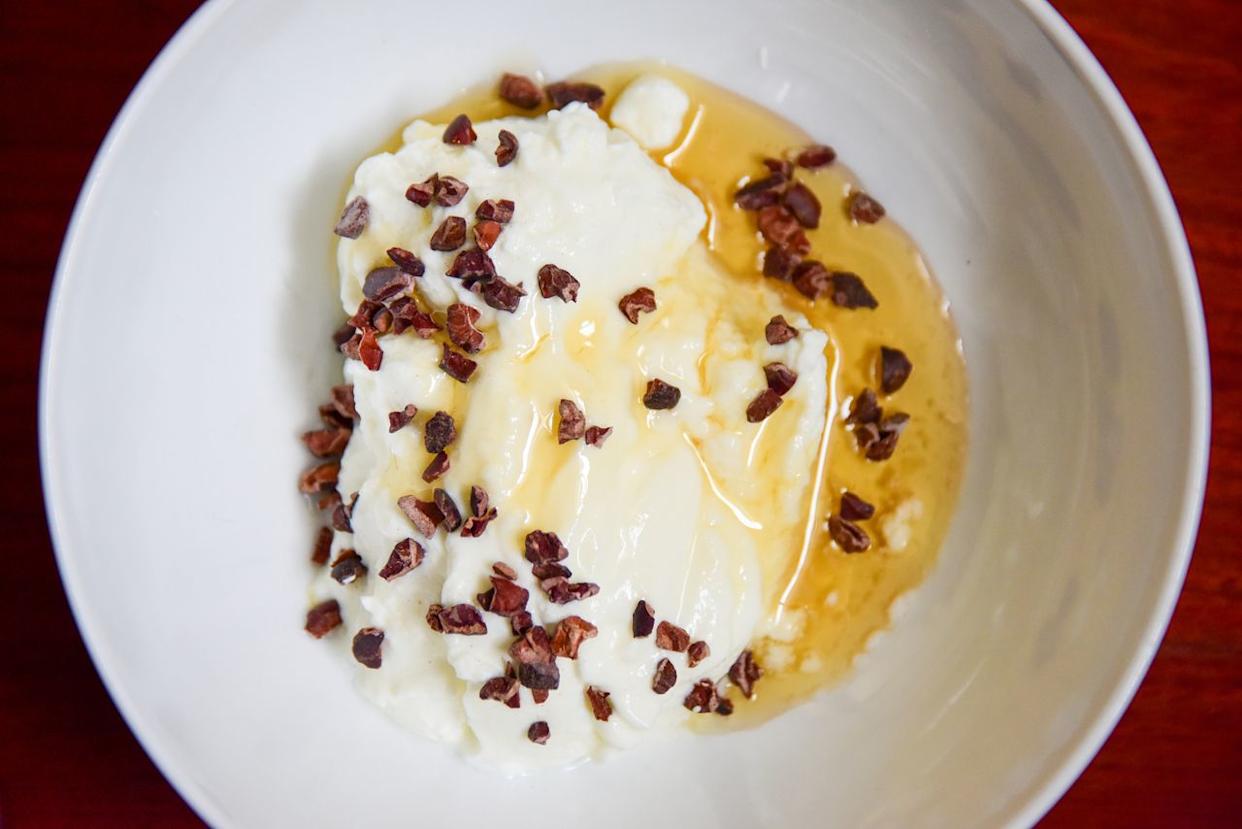
Credit: Sergio Amiti / Getty Images
Vitamin B12: 1.19 mcg (50% of the DV)
Greek yogurt provides B12 along with protein and probiotics, which may support gut health. Research suggests probiotics can help promote a healthy balance of gut bacteria and support intestinal barrier function, both of which may be disrupted in IBD.
Fermentation also reduces the lactose content of yogurt, and the live bacteria also produce lactase, an enzyme that helps break down lactose, which could make it easier to digest for some people.
Choosing lower-fat, plain varieties without added sugars and starting with small portions may help improve tolerance. Lactose-free or dairy-free fortified options can also be good alternatives.
5. Fortified Plant-Based Milks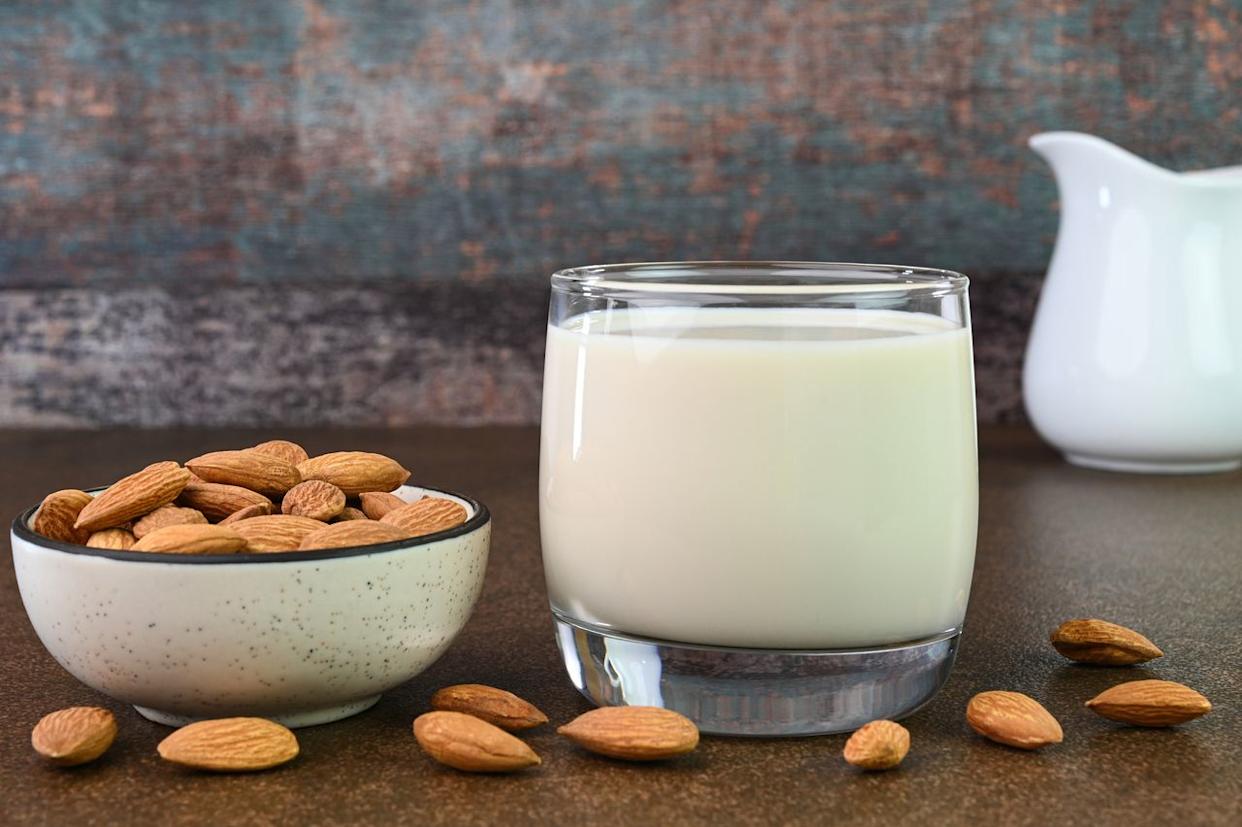
Credit: jayk7 / Getty Images
Vitamin B12: 1.2 mcg (50% of the DV)
Fortified plant-based milks like oat milk can help fill B12 gaps, especially for those avoiding dairy. In addition to B12, many are fortified with calcium and vitamin D, which support bone health and are among the common micronutrients for people with IBD.
Choosing options with minimal additives may be easier to tolerate, as higher intakes of additives such as emulsifiers from processed foods have been linked to increased disease activity in IBD.
6. Clams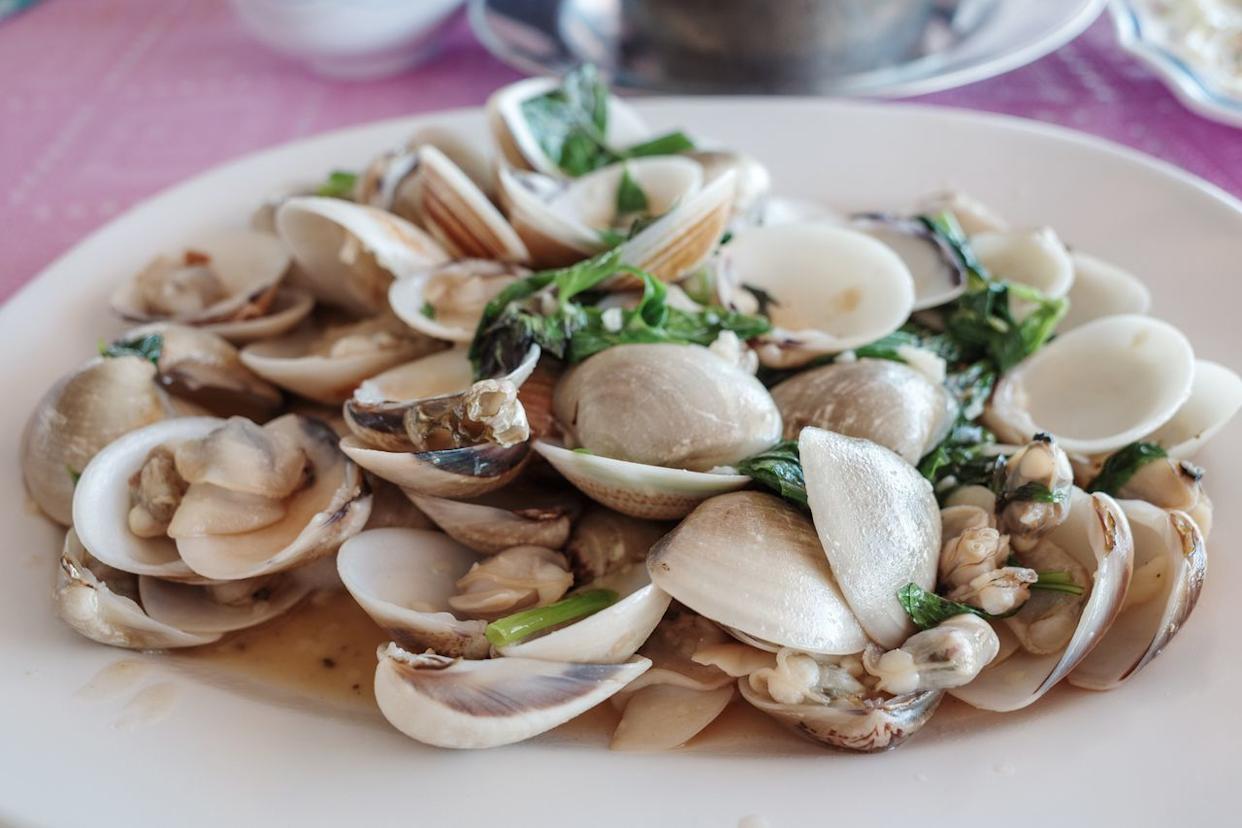
Credit: Peeradon Warithkorasuth / Getty Images
Vitamin B12: 17 mcg (708% of the DV)
Clams are an excellent source of vitamin B12, along with iron, protein, and zinc, which are nutrients that support energy and immune function.
Zinc, in particular, plays a role in gut barrier function and wound healing, which may be especially relevant for people with IBD.
7. Tuna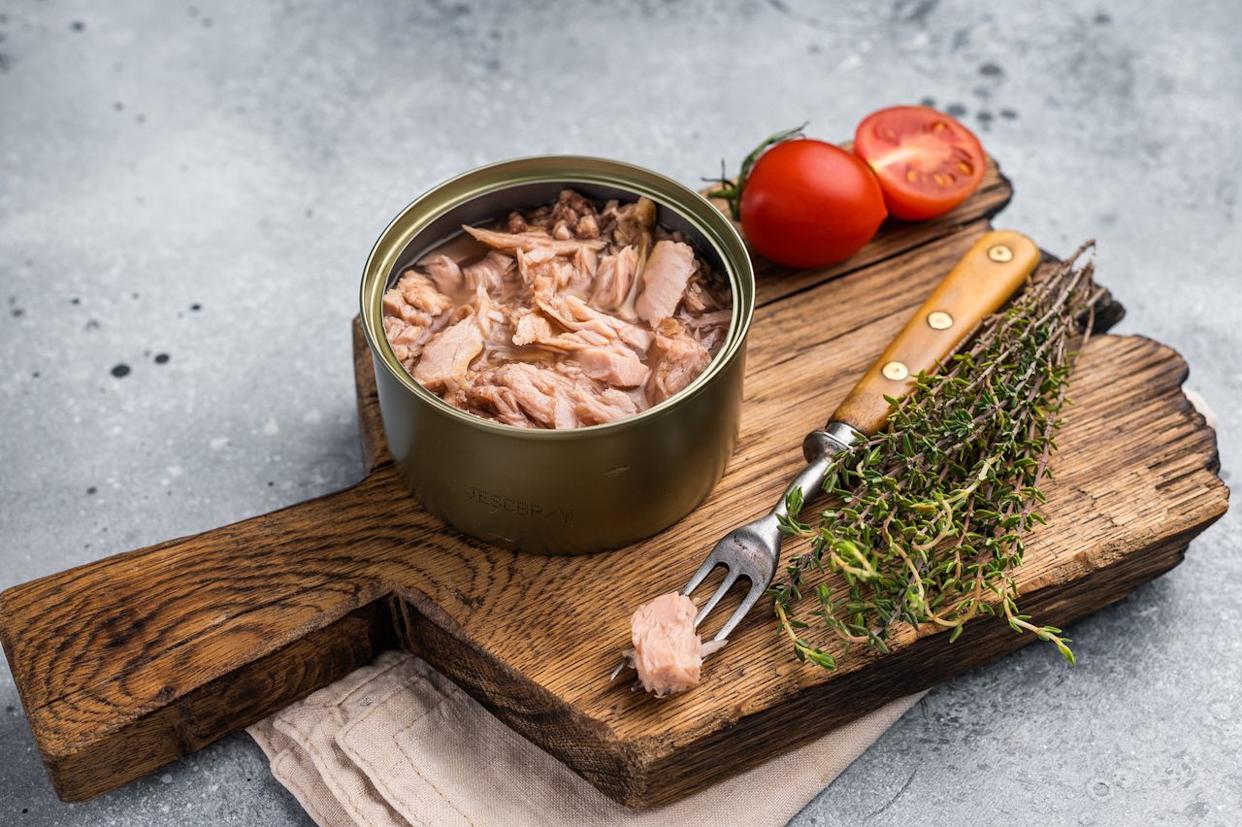
Credit: Vladimir Mironov / Getty Images
Vitamin B12: 2.5 mcg (104% of the DV)
Tuna is a B12 source that contains omega-3 fatty acids and selenium, an antioxidant that helps protect cells from oxidative stress.
Choose canned tuna in water and enjoy it plain, or mix it with simple ingredients like olive oil or yogurt, rather than creamier options that may be harder to digest.
8. Eggs
Credit: SimpleImages / Getty Images
Vitamin B12: 0.5 mcg (19% of the DV)
Serving size: 1 large egg
Eggs provide a moderate amount of vitamin B12 along with high-quality protein and micronutrients like choline. Choline is an essential nutrient for maintaining cell membrane integrity and may also support a healthy gut lining.
Soft-cooked, scrambled, or poached eggs may be easier to digest than fried versions.
Why Vitamin B12 Matters—Especially for IBD
Vitamin B12 plays an essential role in red blood cell formation, nerve function, and energy metabolism. People with IBD are at higher risk of deficiency due to:
Malabsorption: Vitamin B12 is absorbed in the ileum, a part of the small intestine commonly affected in Crohn’s disease. Research shows deficiency is more common in IBD due to impaired absorption and inflammation.
Chronic inflammation: Inflammation from IBD can damage the intestinal lining, making it harder to absorb nutrients. It may also raise energy needs and change how the body uses certain nutrients.
Dietary limitations: Avoiding certain foods during flares can reduce overall intake of vitamin B12-rich foods.
While your body can store vitamin B12 in the liver for several years, a deficiency can still develop over time if intake or absorption is inadequate. If low B12 levels aren’t addressed, symptoms like fatigue,
weakness, and neurological changes (such as tingling or numbness) may occur.
When Food Isn’t Enough
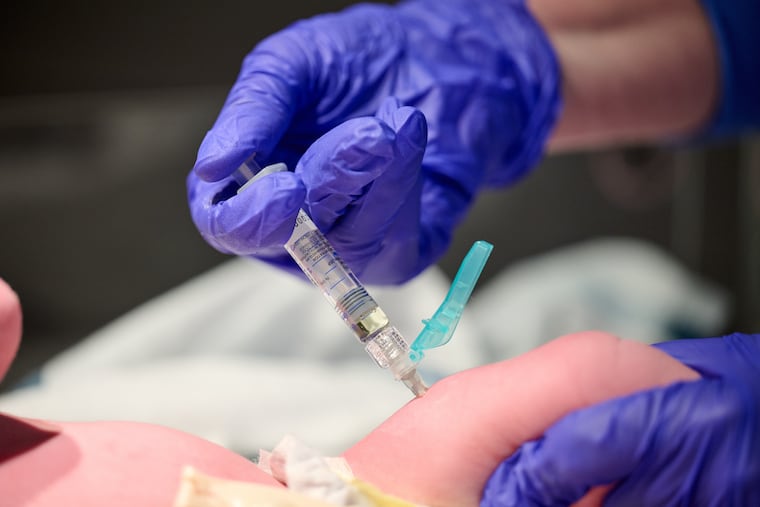
For some people with IBD, getting enough vitamin B12 from food alone can be challenging. In these cases, oral supplements or vitamin B12 injections may be recommended.
If you’re concerned about your intake, check in with your healthcare provider to determine whether additional support is needed.
Read the original article on Health