Abstract
According to the latest IndexBox report on the global North American Dietary Supplements market, the market enters 2026 with broader demand fundamentals, more disciplined procurement behavior, and a more regionally diversified supply architecture.
The North American Dietary Supplements market, a mature yet dynamically evolving consumer health sector, is projected to chart a steady growth trajectory through 2035. This expansion is underpinned by a fundamental and sustained consumer pivot towards proactive health management, moving beyond remedial care to preventative wellness. The market is characterized by intense segmentation, with demand bifurcating into commoditized mass-market essentials and premium, benefit-specific formulations. Growth will be driven by powerful demographic tailwinds, notably an aging population seeking solutions for bone, joint, and cognitive health, coupled with rising health consciousness across younger cohorts focused on immunity, sports performance, and stress management. However, this path is not without friction. The industry contends with a highly competitive retail landscape marked by private-label encroachment, stringent and evolving regulatory oversight from bodies like the FDA under DSHEA, and persistent consumer skepticism requiring robust scientific substantiation for claims. Success through the forecast period will hinge on brand owners’ ability to navigate channel strategy—balancing mass retail, specialty, and direct-to-consumer models—while innovating in delivery formats, personalization, and transparent sourcing to justify premium positioning and build lasting consumer trust.
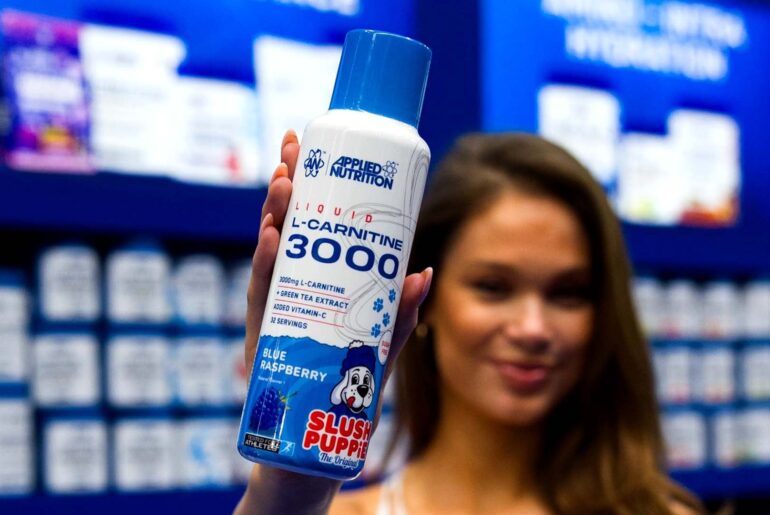
The baseline scenario for the North American Dietary Supplements market from 2026 to 2035 anticipates a period of resilient, moderate growth, consolidating its status as a staple of the region’s consumer health economy. The market’s foundation is a large, established consumer base with high penetration rates for core products like multivitamins and vitamin D. Growth will be primarily volume-driven in mature segments, with value expansion increasingly reliant on trading consumers up to specialized, higher-margin formulations and innovative delivery systems such as gummies, powders, and liquid shots. The retail environment will remain fiercely competitive, with grocery, mass-market, and e-commerce channels experiencing intense price competition and private-label growth, while specialty health stores and practitioner channels defend premium niches. Supply chain considerations, including sourcing reliability for key botanicals and marine oils, alongside cost pressures from sustainable packaging mandates, will be persistent operational factors influencing margins. Regulatory compliance will act as a significant market shaper, with increased FDA scrutiny on New Dietary Ingredient (NDI) notifications and label claim enforcement raising the barrier to entry and cost of innovation. The overall market trajectory, therefore, is one of consolidation among major players, continuous portfolio refinement, and strategic growth through acquisition and digital engagement, rather than explosive, broad-based expansion.
Demand Drivers and ConstraintsPrimary Demand DriversAging demographic profile increasing demand for bone/joint, cognitive, and heart health supplementsRising consumer health literacy and focus on preventative wellness over reactive careGrowth of personalized nutrition and targeted supplementation driven by digital health toolsExpansion of e-commerce and DTC models improving access and consumer educationIncreased scientific research and clinical validation for specific ingredients (e.g., probiotics, omega-3s)Influence of fitness culture and athletic participation driving sports nutrition segmentPotential Growth ConstraintsStringent and complex regulatory environment (FDA DSHEA) governing claims and new ingredientsHigh market saturation and intense price competition, especially in mass-market vitamin segmentsGrowing retailer private-label programs eroding brand margins and market shareConsumer skepticism and demand for transparent, third-party verified quality and efficacySupply chain vulnerabilities and cost volatility for key raw materials (e.g., botanicals, fish oil)Demand Structure by End-Use IndustryGeneral Wellness & Preventive Health (estimated share: 35%)
This segment forms the foundational, high-volume core of the market, encompassing daily multivitamins, single-letter vitamins (C, D), and basic mineral supplements (calcium, magnesium). Demand is driven by routine, preventative health maintenance across a broad demographic. Through 2035, growth will be steady but modest, characterized by high household penetration and frequent purchase cycles. The key demand-side indicator is household spending on OTC health products, reflecting its staple status. The segment is undergoing a transformation from undifferentiated commodities to value-added basics, with consumers seeking higher-quality forms (e.g., methylated B vitamins), cleaner labels (non-GMO, allergen-free), and convenient formats like gummy multivitamins for all ages. Competition is fiercest here, with significant share held by mass-market brands and retailer private labels, making brand loyalty fragile and sensitive to price promotions. Current trend: Stable Core.
Major trends: Commoditization and intense price competition in standard multivitamin formulations, Premiumization within the category via ‘clean label’, bioavailable forms, and added functional blends (e.g., vitamins + probiotics), Format innovation driving growth, particularly in adult gummy vitamins, and Growing consumer scrutiny of ingredient sourcing and manufacturing standards.
Representative participants: Pfizer (Centrum), Church & Dwight (Vitafusion, L’il Critters), Bayer (One A Day), Nature Made, and Kirkland Signature (Private Label).
Sports Nutrition & Active Lifestyle (estimated share: 25%)
This dynamic segment targets athletes, fitness enthusiasts, and active consumers with products like protein powders (whey, plant-based), branched-chain amino acids (BCAAs), creatine, and pre-workout formulas. Demand is directly tied to participation rates in fitness activities, gym memberships, and the cultural influence of athleticism. The mechanism is performance and recovery enhancement. Through 2035, growth will outpace the general market, fueled by the mainstreaming of fitness culture, the rise of plant-based and clean-label protein alternatives, and the blurring of lines between sports nutrition and general wellness (e.g., protein for healthy aging). Key demand indicators include sales of fitness apparel/equipment and social media engagement with fitness influencers. The segment is highly brand-driven, with strong loyalty to performance-proven labels, and is rapidly expanding beyond traditional bodybuilding demographics to include casual exercisers and women. Current trend: High Growth.
Major trends: Rapid expansion of plant-based and vegan protein powder options, Growth of ready-to-drink (RTD) protein shakes and convenient single-serve formats, Increased demand for ‘clean label’ sports supplements free from artificial additives, and Rise of niche ingredients targeting endurance, recovery, and specific fitness goals.
Representative participants: Glanbia (Optimum Nutrition, BSN), The Clorox Company (Nutranext – Premier Protein), NOW Sports, MuscleTech, Ghost Lifestyle, and Vega (Danone).
Specific Health Application (Bone/Joint, Immune, Digestive) (estimated share: 20%)
This segment includes condition-specific or benefit-targeted supplements such as glucosamine/chondroitin for joints, probiotics/prebiotics for digestive health, elderberry/echinacea for immune support, and omega-3s for heart/cognitive function. Demand is driven by specific health concerns, often correlated with age (joint health) or seasonal factors (immunity). The mechanism is the targeted addressing of a perceived deficiency or health need, frequently influenced by healthcare practitioner recommendations or published research. Through 2035, this will be a major growth engine, as consumers seek more specialized solutions beyond a general multivitamin. Demand-side indicators include demographic data (aging population), Google search trends for specific health conditions, and physician recommendation patterns. Success hinges on credible scientific backing, clear communication of benefits, and high-quality ingredient sourcing. Current trend: Targeted Growth.
Major trends: Strong growth in probiotic and digestive health supplements, driven by gut-brain axis research, Sustained demand for joint health ingredients (glucosamine, turmeric, collagen) from aging boomers, Immune support category becoming a year-round staple post-pandemic, and Increasing use of herbal and botanical extracts (turmeric, ashwagandha) with traditional and modern validation.
Representative participants: Nestlé Health Science (Garden of Life, Pure Encapsulations), The Clorox Company (Renew Life probiotics), NOW Foods, Nature’s Way, and Jarrow Formulas.
Weight Management & Metabolic Health (estimated share: 12%)
This segment comprises supplements marketed to support weight loss, appetite control, and metabolic function, including ingredients like green tea extract, garcinia cambogia, conjugated linoleic acid (CLA), and fiber supplements. Demand is cyclical and highly influenced by New Year resolutions, seasonal trends, and the popularity of specific diets (e.g., keto). The mechanism is the consumer’s desire for a pharmacological or metabolic aid to complement diet and exercise. Through 2035, the segment will evolve towards more holistic ‘metabolic health’ positioning, linking weight management to blood sugar support and energy levels, partly in response to regulatory scrutiny on direct weight loss claims. Growth will be driven by innovation in clinically studied ingredients and combination formulas. Key demand indicators are obesity/overweight prevalence statistics and consumer spending on diet programs. The segment faces significant challenges regarding claim substantiation and consumer expectations of rapid results. Current trend: Innovation-Driven.
Major trends: Shift from ‘quick fix’ weight loss pills to holistic metabolic and blood sugar support formulas, Integration of supplements with popular dietary approaches like intermittent fasting and keto, Growing demand for appetite-suppressing fiber and protein-based meal replacements, and Increased regulatory attention requiring robust scientific evidence for efficacy claims.
Representative participants: Herbalife Nutrition, Amway (Nutrilite), NOW Foods, GNC, and Iovate Health Sciences (Hydroxycut).
Cognitive Function & Mood Support (estimated share: 8%)
This emerging, premium segment targets brain health, mental clarity, stress relief, and mood balance with ingredients like omega-3s (DHA), phosphatidylserine, ginkgo biloba, L-theanine, and adaptogenic herbs (ashwagandha, rhodiola). Demand is driven by rising awareness of mental wellness, stress in modern lifestyles, and concerns about long-term cognitive decline. The mechanism involves supporting neurotransmitter function, reducing cortisol, or providing neuroprotective nutrients. Through 2035, this is expected to be the fastest-growing niche, moving from specialty channels into the mainstream. Demand is closely linked to consumer sentiment indices, workplace stress reporting, and aging demographics concerned about cognitive maintenance. Growth depends heavily on advancing neuroscience research validating ingredient efficacy and sophisticated marketing that resonates with consumers’ desire for mental performance and emotional resilience. Current trend: Emerging Growth.
Major trends: Rapid adoption of adaptogenic herbs for stress and fatigue management, Growing demand for nootropic (‘smart drug’) blends among professionals and students, Convergence of cognitive health with sleep support supplements, and Increased research and product development focused on brain-gut axis connections.
Representative participants: Nestlé Health Science (Mindset), NOW Foods, Nature’s Way, Jarrow Formulas, and Life Extension.
Key Market Participants
Interactive table based on the Store Companies dataset for this report.
Sort: Rank
Sort: Company A-Z
Sort: Headquarters A-Z
#
Company
Headquarters
Focus
Scale
Note
1
Nestlé Health Science
Switzerland
Medical nutrition & supplements
Global giant
Owns Pure Encapsulations, Garden of Life
2
Bayer AG
Germany
Multinational life sciences
Global giant
Owns One A Day, Flintstones, Elevit
3
Pfizer Inc.
New York, USA
Pharmaceuticals & supplements
Global giant
Owns Centrum, Emergen-C, Caltrate
4
Church & Dwight Co., Inc.
New Jersey, USA
Consumer products
Major
Owns Vitafusion, L’il Critters, Batiste
5
The Clorox Company
California, USA
Consumer goods
Major
Owns Renew Life, NeoCell, Rainbow Light
6
NOW Foods
Illinois, USA
Natural foods & supplements
Large
Major manufacturer & brand
7
Nature’s Way
Utah, USA
Herbal & wellness supplements
Large
Part of Schwabe Group
8
The Bountiful Company
New York, USA
Nutritional supplements
Large
Owns Nature’s Bounty, Solgar, Osteo Bi-Flex
9
General Mills
Minnesota, USA
Food & nutrition
Major
Owns Lärabar, Epic Provisions
10
Amway
Michigan, USA
Direct selling wellness
Large
Nutrilite brand
11
Herbalife Nutrition
California, USA
Direct selling nutrition
Large
Weight management & supplements
12
GNC Holdings, Inc.
Pennsylvania, USA
Specialty retailer & brand
Large
Manufactures & retails own brands
13
Iovate Health Sciences
Ontario, Canada
Sports nutrition & vitamins
Large
Owns MuscleTech, Six Star
14
Jarrow Formulas
California, USA
Nutritional supplements
Mid-Large
Manufacturer & brand
15
Thorne HealthTech
New York, USA
Science-based supplements
Mid-Large
B2C & practitioner channels
16
Life Extension
Florida, USA
Longevity-focused supplements
Mid-Large
Direct-to-consumer & brand
17
Garden of Life
Florida, USA
Organic & natural supplements
Mid-Large
Owned by Nestlé Health Science
18
Nature’s Sunshine Products
Utah, USA
Herbal & nutritional supplements
Mid-Large
Direct selling & brand
19
USANA Health Sciences
Utah, USA
Direct selling nutrition
Mid-Large
Premier brand
20
Atkins Nutritionals
Colorado, USA
Low-carb nutrition & supplements
Mid
Owned by Simply Good Foods
21
MegaFood
New Hampshire, USA
Food-based vitamins
Mid
Owned by Nestlé Health Science
22
Country Life Vitamins
New York, USA
Vitamins & supplements
Mid
Part of The Bountiful Company
23
Doctor’s Best
California, USA
Science-based supplements
Mid
Major brand
24
Natural Factors
British Columbia, Canada
Natural supplements
Mid
Manufacturer & brand
25
Jamieson Wellness
Ontario, Canada
Vitamins & supplements
Mid
Leading Canadian brand
Regional DynamicsNorth America (estimated share: 96%)
As the defined market scope, North America represents the entire analyzed region. It is a highly mature, consolidated, and sophisticated market characterized by high per capita consumption, stringent regulation (FDA/DSHEA), and dominant retail chains. Growth will be driven by premiumization, demographic shifts, and digital-native DTC brands, though tempered by saturation in core categories and private-label competition. The U.S. dominates the regional share. Direction: Mature Growth.
Europe (estimated share: 1%)
Not applicable to this specific market report, which is scoped exclusively to North American Dietary Supplements. For comparative global analysis, Europe represents a separate regulatory environment (EFSA) with distinct claim authorization processes and consumer preferences, often favoring herbal traditions and pharmacy-channel distribution. Direction: N/A.
Asia-Pacific (estimated share: 1%)
Not applicable to this specific market report. In a global context, Asia-Pacific is a high-growth region driven by rising incomes, urbanization, and traditional medicine influences (e.g., TCM), but it operates under completely different regulatory frameworks and market dynamics compared to North America. Direction: N/A.
Latin America (estimated share: 1%)
Not applicable to this specific market report. Globally, Latin America shows growing potential with a young population and interest in wellness, but market access is challenged by economic volatility and varying regulatory standards across countries. Direction: N/A.
Middle East & Africa (estimated share: 1%)
Not applicable to this specific market report. In a worldwide perspective, this region presents niche opportunities, often centered around specific herbal ingredients and imported premium brands for affluent consumers, but is not a primary focus for North American market dynamics. Direction: N/A.
Market Outlook (2026-2035)
In the baseline scenario, IndexBox estimates a 4.2% compound annual growth rate for the global north american dietary supplements market over 2026-2035, bringing the market index to roughly 150 by 2035 (2025=100).
Note: indexed curves are used to compare medium-term scenario trajectories when full absolute volumes are not publicly disclosed.
For full methodological details and benchmark tables, see the latest IndexBox North American Dietary Supplements market report.