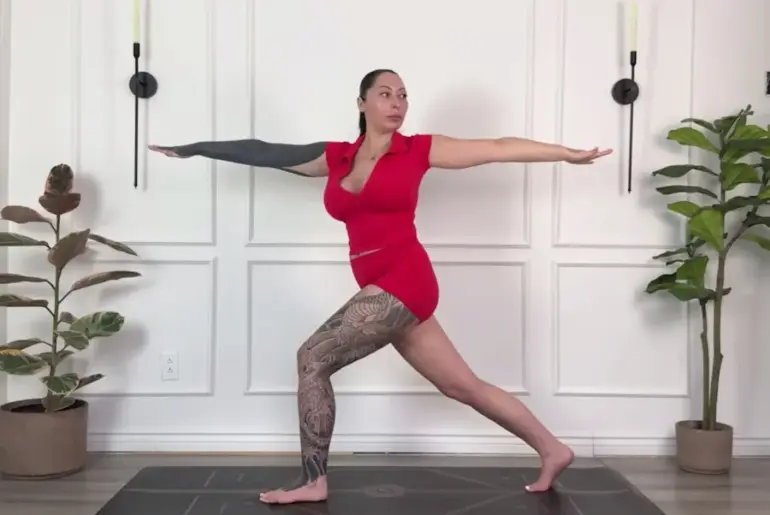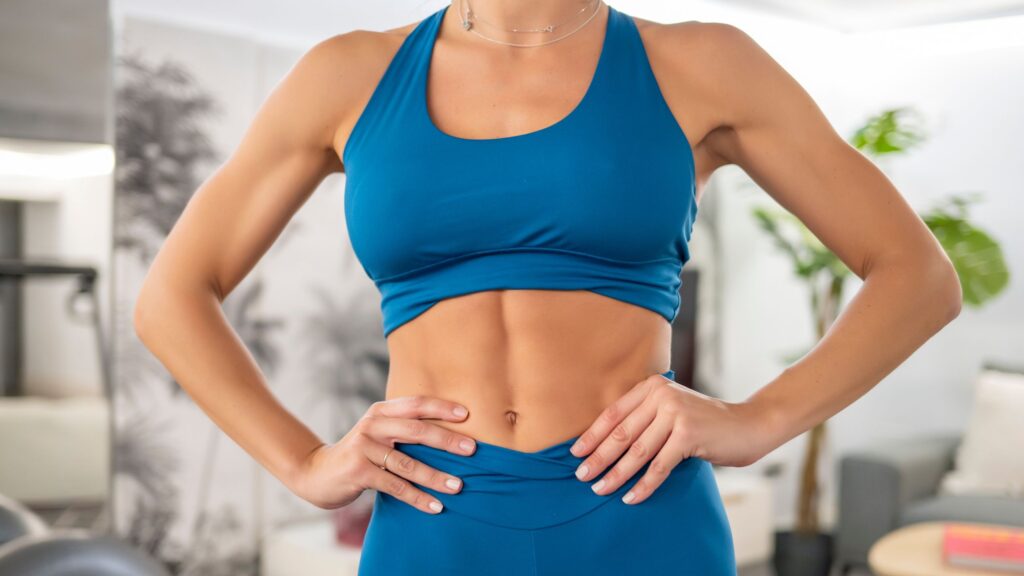
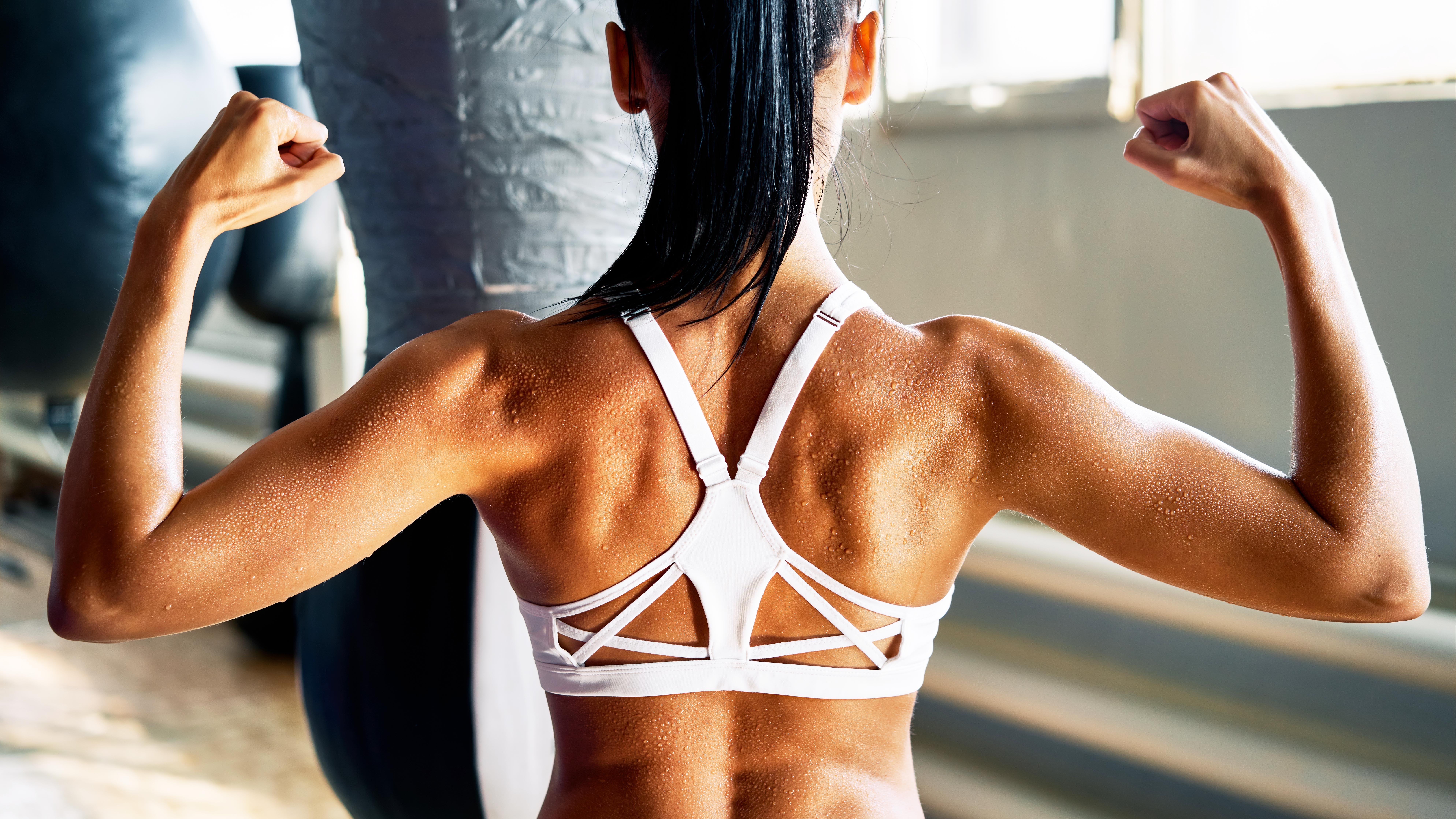
Something called “bridal arms” is trending, and it’s all about sculpted, strong-looking arms. Pilates has been credited with sculpting the arms of its devotees for years, and I’ve got one workout for you to try that you won’t regret.
You’ll be working your biceps, back and shoulders using either the best resistance bands with handles or reformer pulleys. You’ll work your core muscles to keep you upright and stable while driving these movements with your upper body.
If you’re a complete beginner, you’re pregnant or postpartum, or you’re dealing with a specific injury, always seek advice from a qualified professional before trying something new.
Article continues below
You may like
What is the routine?
The short routine only features three movements: classic bicep curls, high pulls and cross-body lateral raises, demonstrated by Pilates instructor Bojana of Strong Pilates. However, you’re not using dumbbells for this; instead, use resistance bands with handles anchored to something stable, or use the reformer pulleys with handles attached.
This means your muscles stay loaded under full tension the entire way through the exercises, and you’ll have to work hard to control the movement with slow, meaningful reps.
Aim for 45 seconds on, 15 seconds off and 5-6 rounds.
What are the benefits?
Better tension
Unlike using free weights, you’ll need to control the whole movement rather than relying on momentum, which means you keep your muscles held under tension the whole time, known as time under tension. This is a brilliant way to increase overall volume and work muscles harder.
Core control
Your core is working to keep you stable as you perform each move, even if you don’t think it. Brace your stomach as if expecting an impact and focus on keeping your torso tall. This will help you to drive powerful movement while stabilizing your upper body. A 5-minute “bracing” routine is highly beneficial to help you get started.
What to read next
(Image credit: Shutterstock)
Strong muscles and growth
Of course, you’ll need to repeat these exercises over time and gradually increase the load or tension to ensure muscles are stimulated enough to grow and get stronger. However, these moves can certainly build arm and shoulder muscle.
The bicep curls hit your biceps and isolate them; the high row hits your upper back and posterior deltoids, strengthening the muscles that support proper posture; the cross-body lateral raises stretch your sides and work the lateral heads of the shoulders, also engaging the front delts and recruiting stabilizer muscles like your core (anti-rotation), serratus and rotator cuff.
Once your reps feel too easy, add springs to your reformer bed or opt for thicker resistance bands to up the ante a little. These moves hit your posterior, lateral and frontal deltoids, plus the triceps and biceps, helping you shape your arms.
However, muscle definition will ultimately come down to a combination of muscle growth and body fat percentage, so you’ll need to dial into your lifestyle, sleep and nutrition to really see the fruits of your labor.
Follow Tom’s Guide fitness on Instagram for more workouts, routines, tips, and tricks.

Follow Tom’s Guide on Google News and add us as a preferred source to get our up-to-date news, analysis, and reviews in your feeds.
More from Tom’s Guide